Books from Russia
Suggest a book
All genres
Historical Fiction
Literary Fiction
Fantasy
Romance
Horror
Thriller
Non-Fiction
Mystery
Memoir
Classics
History
Sci-Fi
Contemporary Fiction
Science Fiction
Fiction
Poetry
Essays
Family Saga
Magical Realism
Family Drama
Dark Academia
Psychological Fiction
Dark Comedy
Political Writing
Feminist Fiction
Satire
Campus Fiction
Cultural Studies
Biography
Philosophy
Comedy
Drama
Young Adult
Gothic
Dystopia
Crime
Children's Books
Short Stories
Mythology
Cozy
Retellings
Humour
Adventure
All themes
Love & Passion
Adventure & Journey
Identity & Belonging
War & Conflict
Freedom & Resistance
Family & Heritage
Nature & Landscape
Society & Class
Spirituality & Faith
Solitude & Exile
Coming of Age
Revolution & Change
Friendship
History
Immigration
Myths and Retellings
Colonialism
Women & Society
Mental Health
Motherhood
1
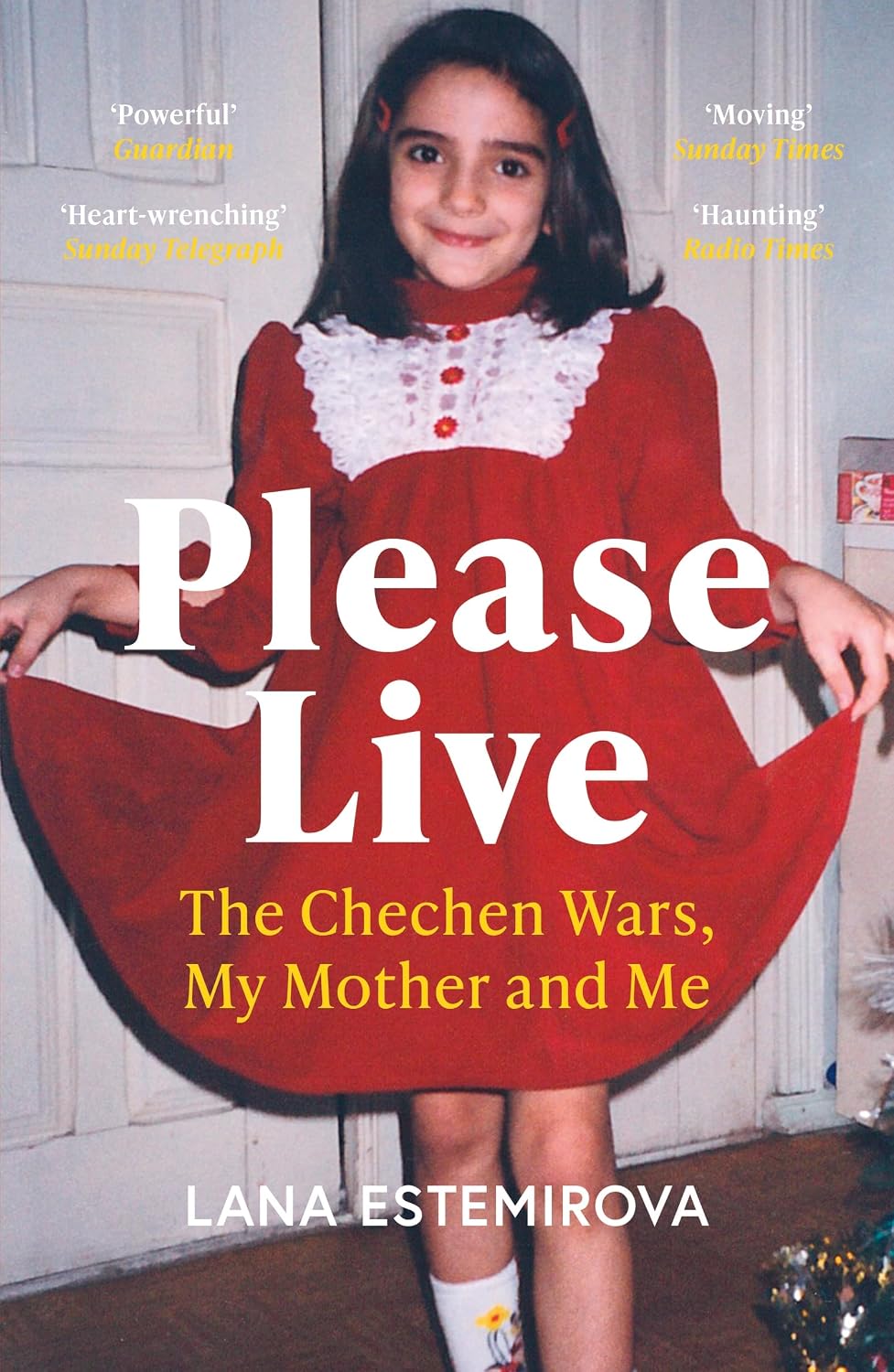
Please Live
In this memoir, Lana Estemirova reflects on growing up in Chechnya during the wars between Russia and Chechnya, and on the profound influence of her mother, human rights activist Natalia Estemirova. Through personal memories, family history, and the realities of life under violence and repression, she recounts how conflict shaped her childhood and her understanding of courage, justice, and survival. In 2009, Natalia was abducted and murdered after years of documenting human rights abuses. Her death became a defining rupture in Lana’s life, leaving behind grief as well as a responsibility to preserve her mother’s legacy. Please Live is both an intimate coming-of-age story and a testimony to the human cost of war, political violence, and the struggle to speak the truth.
2026
2
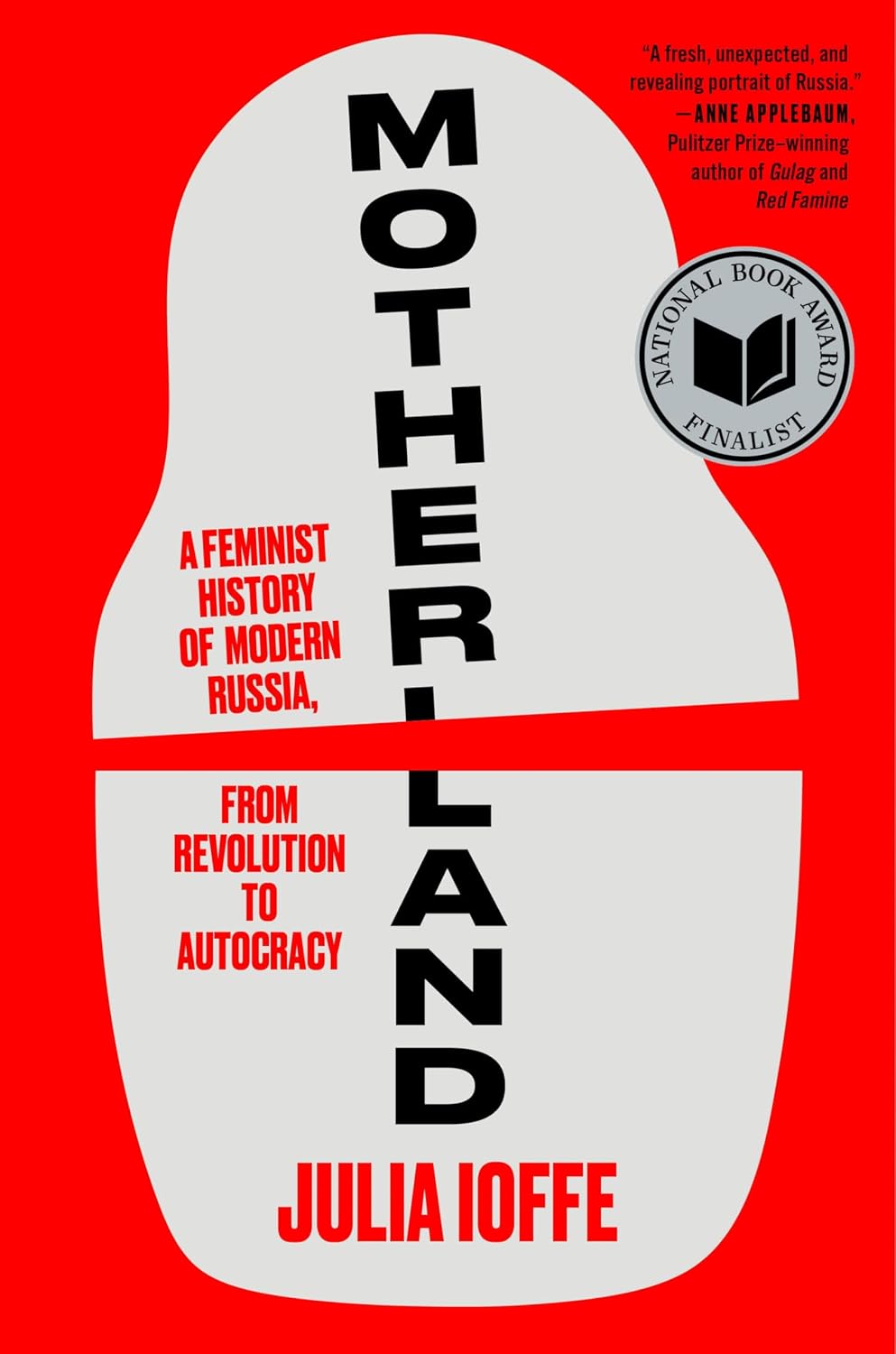
Motherland
How did Russia move from presenting itself as a pioneer of women’s emancipation to embracing conservative values and authoritarian rule? In Motherland, journalist Julia Ioffe explores modern Russian history through the lives of the women who experienced, shaped, and survived its transformations.
Combining historical research, personal memoir, and investigative journalism, Ioffe traces a century of upheaval, from the revolutionary promises of early Soviet feminism to the hardships of the Second World War and the contradictions of contemporary Russian society. She brings together the stories of her own Jewish-Russian family, feminist revolutionaries, women who fought on the front lines, single mothers who rebuilt their lives after the war, and modern activists challenging political repression.
Rather than telling Russia’s story solely through its male rulers, Ioffe places women’s experiences at the centre of the national narrative. She examines how political ideals shaped women’s opportunities, how successive generations carried the burdens of social change, and how the failure of emancipatory promises contributed to the rise of modern authoritarianism.
A finalist for the 2025 National Book Award for Nonfiction, Motherland offers a compelling exploration of feminism, power, historical memory, and the complicated relationship between personal lives and national identity.
2025
3
Birds, Beasts and a World Made New
What happens when poetry refuses to obey the rules of language, logic, and reality? This collection brings together two visionary poets who helped reshape modern literature: Russian Futurist Velimir Khlebnikov and French avant-garde writer Guillaume Apollinaire. Moving between animals, art, love, revolution, war, and the mysteries of time, their poems reveal radically different ways of seeing the world. Khlebnikov experiments with language and explores the hidden patterns of history, while Apollinaire blends lyrical beauty with daring modernist invention. Translated by Robert Chandler, this collection invites readers into a world where words become experiments, familiar things turn strange, and poetry imagines entirely new possibilities for human experience.
2024
4
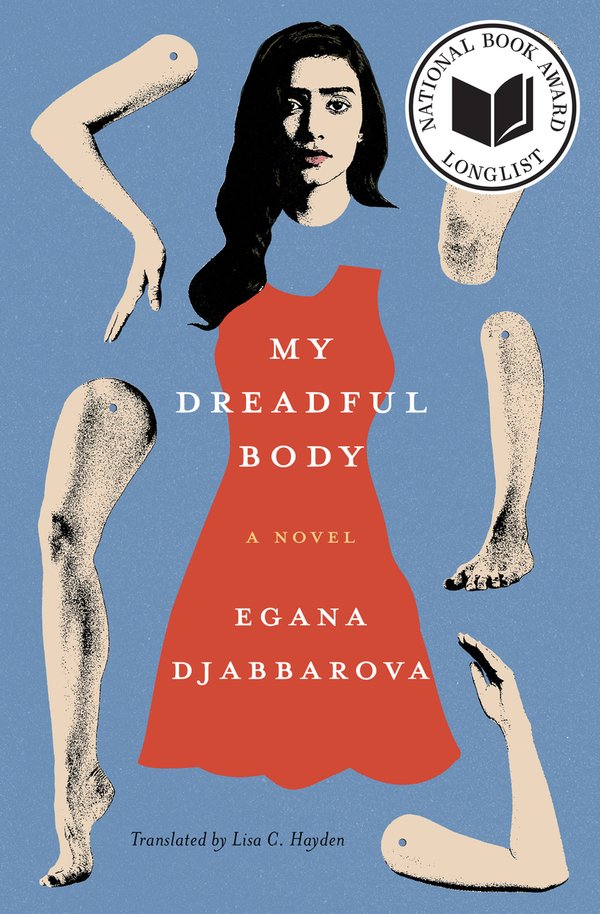
My Dreadful Body
In My Dreadful Body, Egana Djabbarova explores what it means to grow up as a woman in a traditional Azerbaijani family in Russia, where a woman’s body is shaped by cultural expectations, religious beliefs, and the prospect of marriage. As the narrator develops a mysterious neurological condition that causes pain, involuntary movements, and speech difficulties, her body becomes both a source of suffering and a lens through which she examines her identity.
Organised into chapters devoted to different body parts, the novel weaves together intimate memories, family traditions, and reflections on gender, illness, and belonging. The narrator confronts the rules imposed on women across generations, as well as the cultural tensions of living between Azerbaijani and Russian identities. Lyrical and deeply personal, this debut novel explores how physical vulnerability can challenge social expectations and open a path towards self-determination.
2023
5
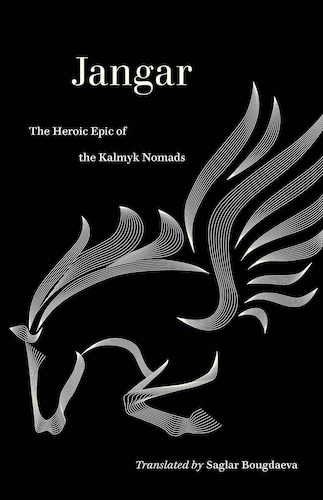
Jangar: The Heroic Epic of the Kalmyk Nomads
For centuries, the Kalmyk people of the Eurasian steppe have preserved Jangar, a magnificent heroic epic celebrating courage, loyalty, and the survival of their nomadic culture. At its centre is Jangar, the legendary ruler of Bumba, a mythical land of abundance and harmony where seventy kingdoms unite under his leadership. Surrounded by extraordinary warriors, Jangar defends his homeland against formidable enemies, monstrous giants, and rival rulers. His companions undertake daring quests, rescue captives, defeat powerful adversaries, and demonstrate remarkable feats of strength and bravery. Blending fantastical adventures with lyrical descriptions of horses, feasts, battles, and the steppe landscape, the epic reflects the ideals and aspirations of the Kalmyk people. Preserved through generations of oral performance by traditional storytellers, Jangar also bears witness to a culture that has endured conquest, displacement, and political repression. Saglar Bougdaeva’s English translation introduces international readers to this remarkable literary heritage, restoring a largely overlooked masterpiece of Eurasian oral literature to the world.
2023
6
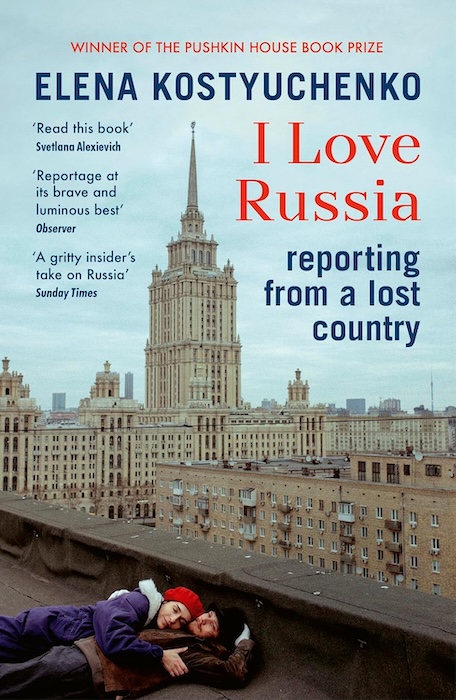
I Love Russia
I Love Russia brings together investigative reporting and personal essays to portray a country through the lives of people often excluded from its official narrative. Journalist Elena Kostyuchenko writes about sex workers, LGBTQ+ people, residents of neglected institutions, and communities affected by violence and political repression. Her reporting also follows the consequences of Russia’s invasion of Ukraine, examining the human realities behind state propaganda and military aggression. Rather than presenting Russia as a single, uniform society, Kostyuchenko reveals its contradictions through the experiences of individuals whose stories challenge dominant political narratives. The book explores the complicated relationship between love for one’s country and the responsibility to criticise its government, presenting journalism as an act of witnessing, resistance, and moral commitment.
2023
7
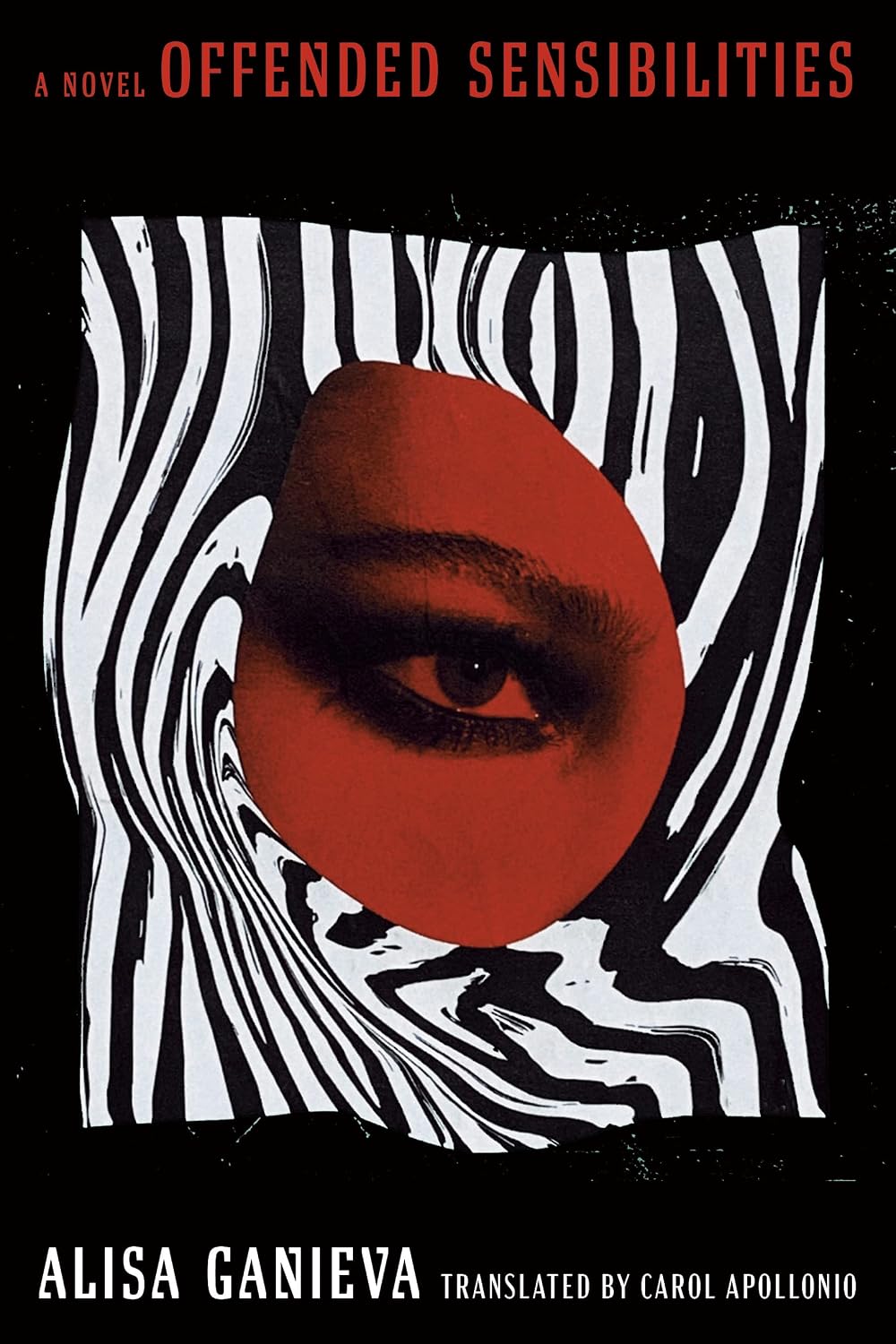
Offended Sensibilities
Offended Sensibilities is a darkly comic, neo-noir novel set in a provincial Russian town where a series of sudden deaths among local officials exposes a deeply dysfunctional system. The investigation unfolds against the backdrop of legislation criminalising forms of expression deemed offensive to religious believers. As the characters navigate corruption, political manoeuvring, religious nationalism, and personal hypocrisy, the line between justice and absurdity becomes increasingly blurred. Ganieva uses the mystery to examine a society in which public morality can become a tool of political control and where almost everyone has something to hide. Combining elements of crime fiction and political satire, the novel offers a sharp critique of contemporary Russian institutions and the contradictions between official values and private behaviour.
2021
8
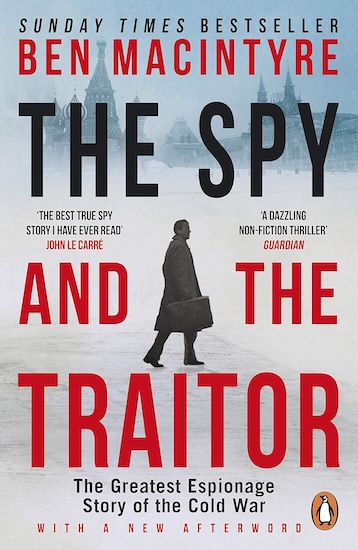
The Spy and the Traitor
In 1985, a seemingly ordinary man walks through the streets of Moscow carrying a plastic shopping bag. Hidden in plain sight, he is Oleg Gordievsky, a senior KGB officer who has secretly been working for British intelligence for more than a decade. As one of Britain’s most valuable spies inside the Soviet Union, he has passed on critical information about Soviet intelligence operations, helping the West understand the Kremlin’s intentions during the final years of the Cold War.
But Gordievsky’s double life becomes increasingly dangerous. While MI6 struggles to protect its most important source, the CIA grows suspicious and launches its own investigation to identify the mysterious British informant. Unknown to Gordievsky, the hunt for him leads to Aldrich Ames, a CIA officer secretly betraying American intelligence to the Soviets. When Gordievsky is recalled to Moscow, he faces interrogation, surveillance, and the possibility of execution. His only hope lies in an extraordinary escape plan that must unfold under the watchful eyes of the KGB.
Drawing on extensive research and previously undisclosed details, Ben Macintyre reconstructs one of the Cold War’s most remarkable espionage stories. The Spy and the Traitor explores loyalty, ideological conviction, betrayal, and the extraordinary courage required to risk everything for one’s beliefs.
2018
9
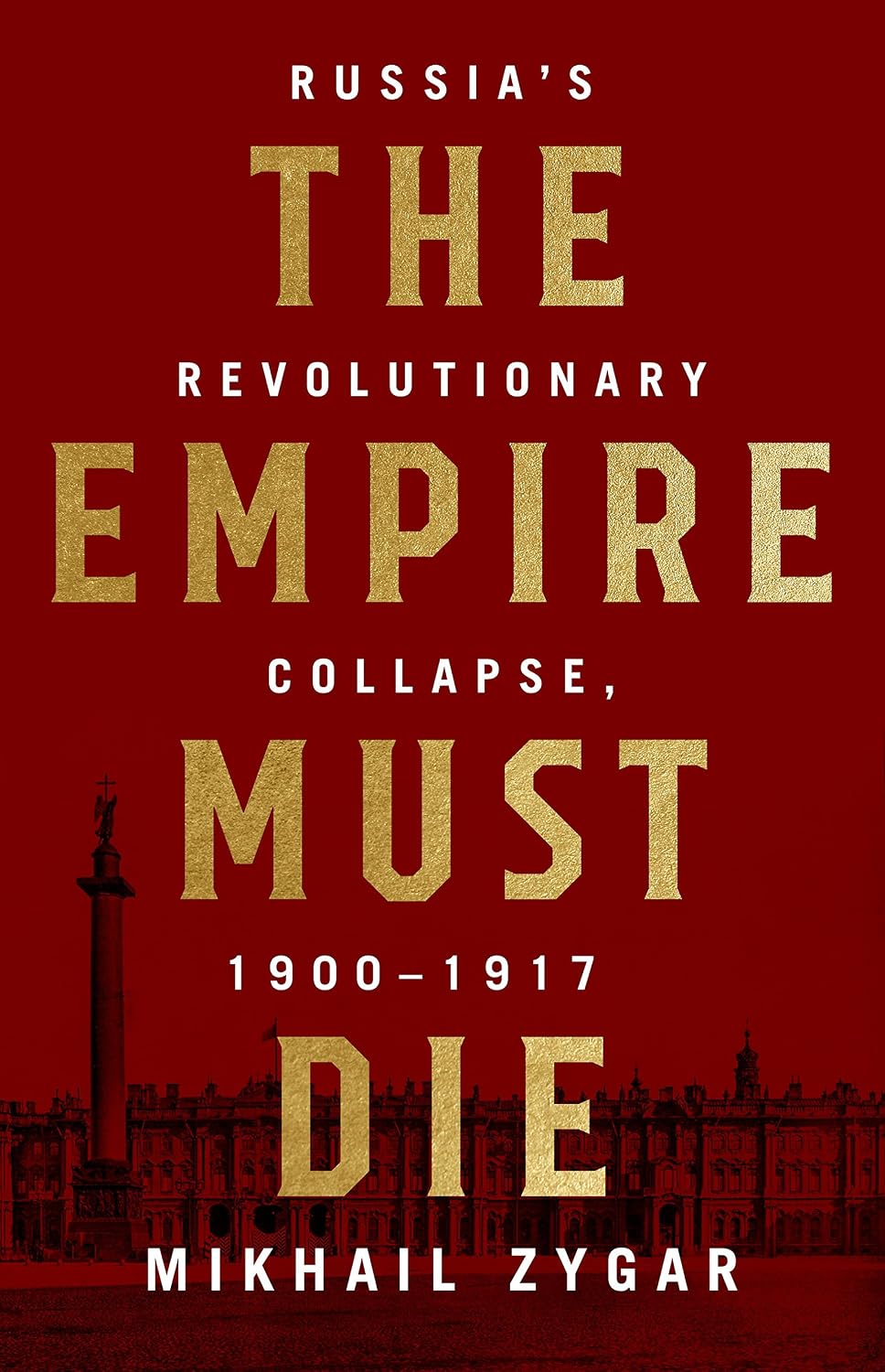
The Empire Must Die
The Empire Must Die: Russia’s Revolutionary Collapse, 1900–1917 reconstructs the political and cultural upheavals that preceded the fall of the Russian Empire. Through the lives of writers, artists, politicians, revolutionaries, and members of the imperial family, Mikhail Zygar traces a society caught between the possibility of reform and the persistence of authoritarian power. The book explores Russia’s brief flourishing of liberal ideas, the growing dissatisfaction with the monarchy, and the pressures of the First World War that helped bring the old order to collapse. Drawing on historical research and vivid character portraits, Zygar presents the revolution not as an inevitable event but as the outcome of decisions, rivalries, and missed opportunities that transformed the country’s future.
2017
10
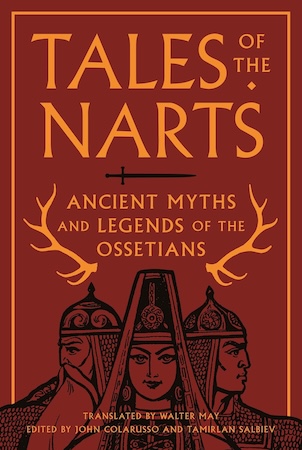
Tales of the Narts: Ancient Myths and Legends of the Ossetians
The Nart sagas are among the great mythological traditions of the Caucasus, preserving the stories, beliefs, and cultural memory of the Ossetian people. In Tales of the Narts, scholars John Colarusso and Tamirlan Salbiev bring together a rich collection of legends featuring the Narts, a mythical race of formidable warriors whose world is filled with heroic feats, supernatural encounters, fierce rivalries, and complicated family relationships.
These stories introduce memorable heroes and heroines, powerful adversaries, giants, monsters, and ancient gods. Although the Narts are celebrated for their courage and strength, they are also capable of jealousy, cruelty, and destructive ambition. Their adventures explore honor, fate, loyalty, conflict, and the consequences of human choices. Rooted in centuries of oral storytelling, the collection offers a window into the cultural heritage of the North Caucasus while revealing intriguing parallels with Greek, Norse, and other ancient mythologies. It is an important introduction to a distinctive literary tradition that has shaped the region’s collective imagination.
2016
11
Bride and Groom
Set in contemporary Dagestan, Bride and Groom follows two young people whose prospects for marriage become entangled with the expectations of their families and community. Against a backdrop of religious conservatism, social pressure, and political uncertainty, the characters struggle to reconcile their personal desires with the traditions that govern their lives. Marriage becomes more than a private romantic decision: it is also a negotiation involving family honour, social status, and competing ideas about modernity and cultural identity. Ganieva offers an intimate portrait of a society undergoing profound change, where old customs and new aspirations coexist uneasily. With humour and sharp observation, the novel reveals how difficult it can be to make independent choices when the community claims a powerful stake in individual lives.
2015
12
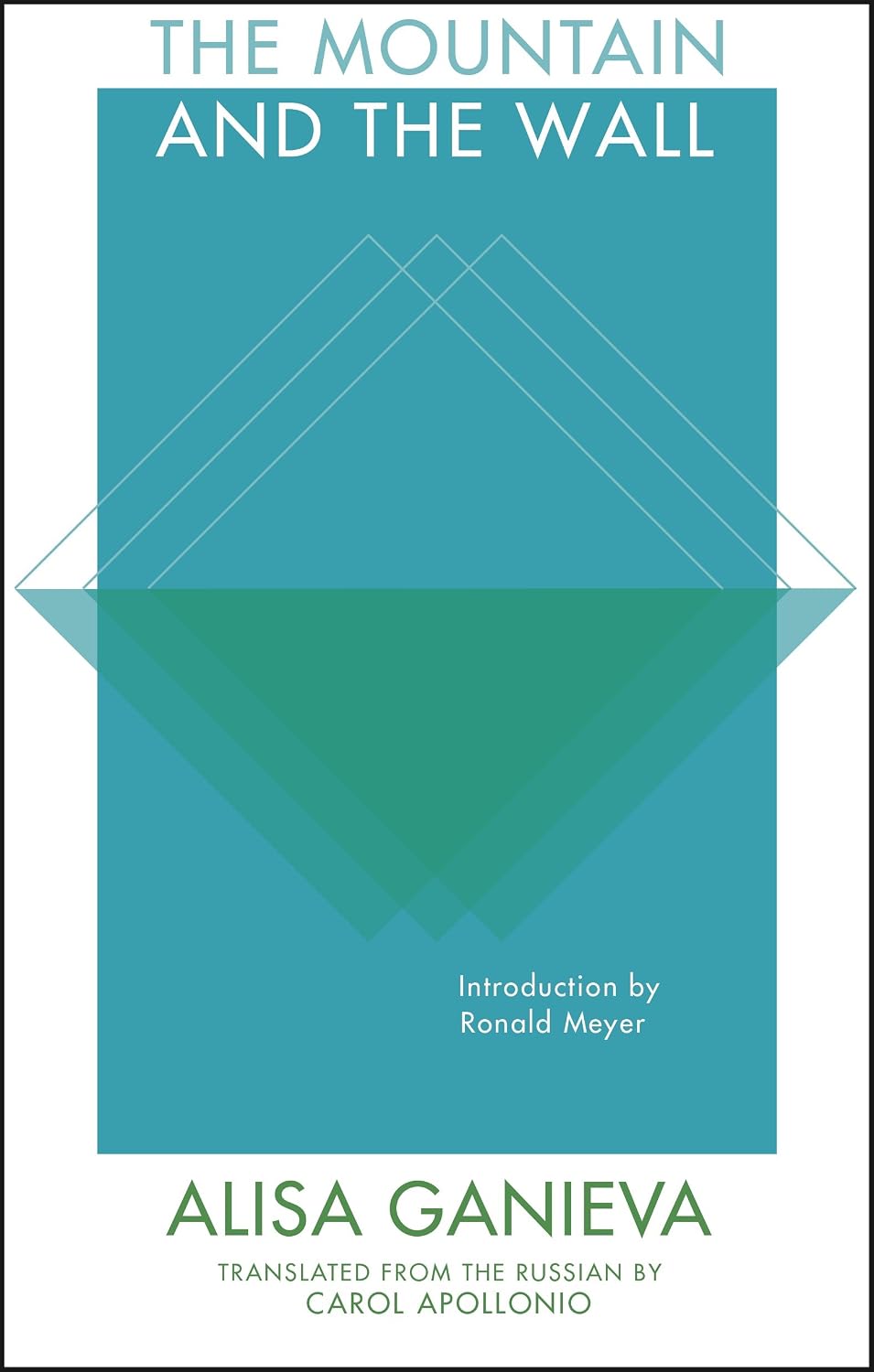
The Mountain and the Wall
In The Mountain and the Wall, Shamil, a young journalist in Dagestan’s capital, Makhachkala, hears rumours that the Russian government intends to build a wall separating the Muslim regions of the North Caucasus from the rest of the country. As anxiety and unrest spread, Shamil finds himself confronting the political and religious divisions shaping his community. What begins as distant speculation gradually becomes an urgent personal and social crisis, forcing him to reconsider his own passivity. Ganieva portrays a region caught between competing ideologies, traditional beliefs, and the pressures of modern political life. Through Shamil’s experiences, the novel explores how intolerance and extremism can fracture communities and how ordinary people respond when the society around them begins to unravel.
2012