Books from Russia
Suggest a book
All genres
Historical Fiction
Literary Fiction
Fantasy
Romance
Horror
Thriller
Non-Fiction
Mystery
Memoir
Classics
History
Sci-Fi
Contemporary Fiction
Science Fiction
Fiction
Poetry
Essays
Family Saga
Magical Realism
Family Drama
Dark Academia
Psychological Fiction
Dark Comedy
Political Writing
Feminist Fiction
Satire
Campus Fiction
Cultural Studies
Biography
Philosophy
Comedy
Drama
Young Adult
Gothic
Dystopia
Crime
Children's Books
Short Stories
Mythology
Cozy
Retellings
Humour
Adventure
All themes
Love & Passion
Adventure & Journey
Identity & Belonging
War & Conflict
Freedom & Resistance
Family & Heritage
Nature & Landscape
Society & Class
Spirituality & Faith
Solitude & Exile
Coming of Age
Revolution & Change
Friendship
History
Immigration
Myths and Retellings
Colonialism
Women & Society
Mental Health
Motherhood
1
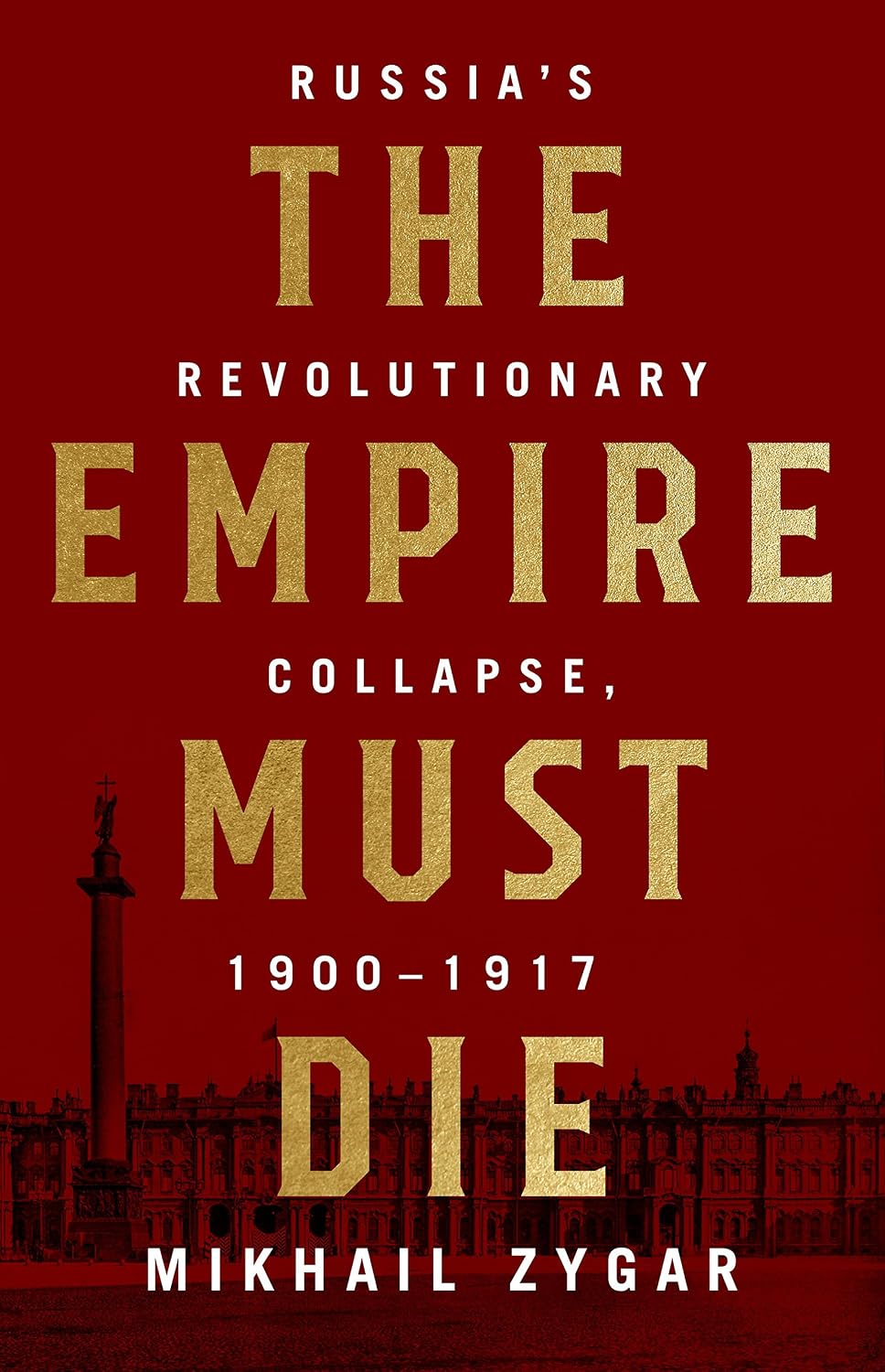
The Empire Must Die
The Empire Must Die: Russia’s Revolutionary Collapse, 1900–1917 reconstructs the political and cultural upheavals that preceded the fall of the Russian Empire. Through the lives of writers, artists, politicians, revolutionaries, and members of the imperial family, Mikhail Zygar traces a society caught between the possibility of reform and the persistence of authoritarian power. The book explores Russia’s brief flourishing of liberal ideas, the growing dissatisfaction with the monarchy, and the pressures of the First World War that helped bring the old order to collapse. Drawing on historical research and vivid character portraits, Zygar presents the revolution not as an inevitable event but as the outcome of decisions, rivalries, and missed opportunities that transformed the country’s future.
2017
2
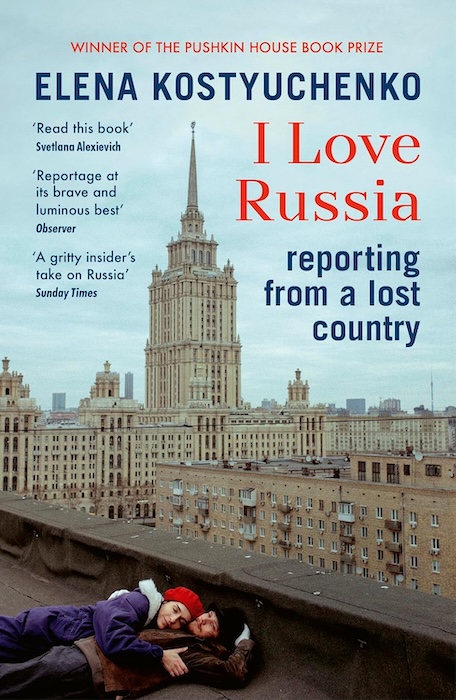
I Love Russia
I Love Russia brings together investigative reporting and personal essays to portray a country through the lives of people often excluded from its official narrative. Journalist Elena Kostyuchenko writes about sex workers, LGBTQ+ people, residents of neglected institutions, and communities affected by violence and political repression. Her reporting also follows the consequences of Russia’s invasion of Ukraine, examining the human realities behind state propaganda and military aggression. Rather than presenting Russia as a single, uniform society, Kostyuchenko reveals its contradictions through the experiences of individuals whose stories challenge dominant political narratives. The book explores the complicated relationship between love for one’s country and the responsibility to criticise its government, presenting journalism as an act of witnessing, resistance, and moral commitment.
2023
3
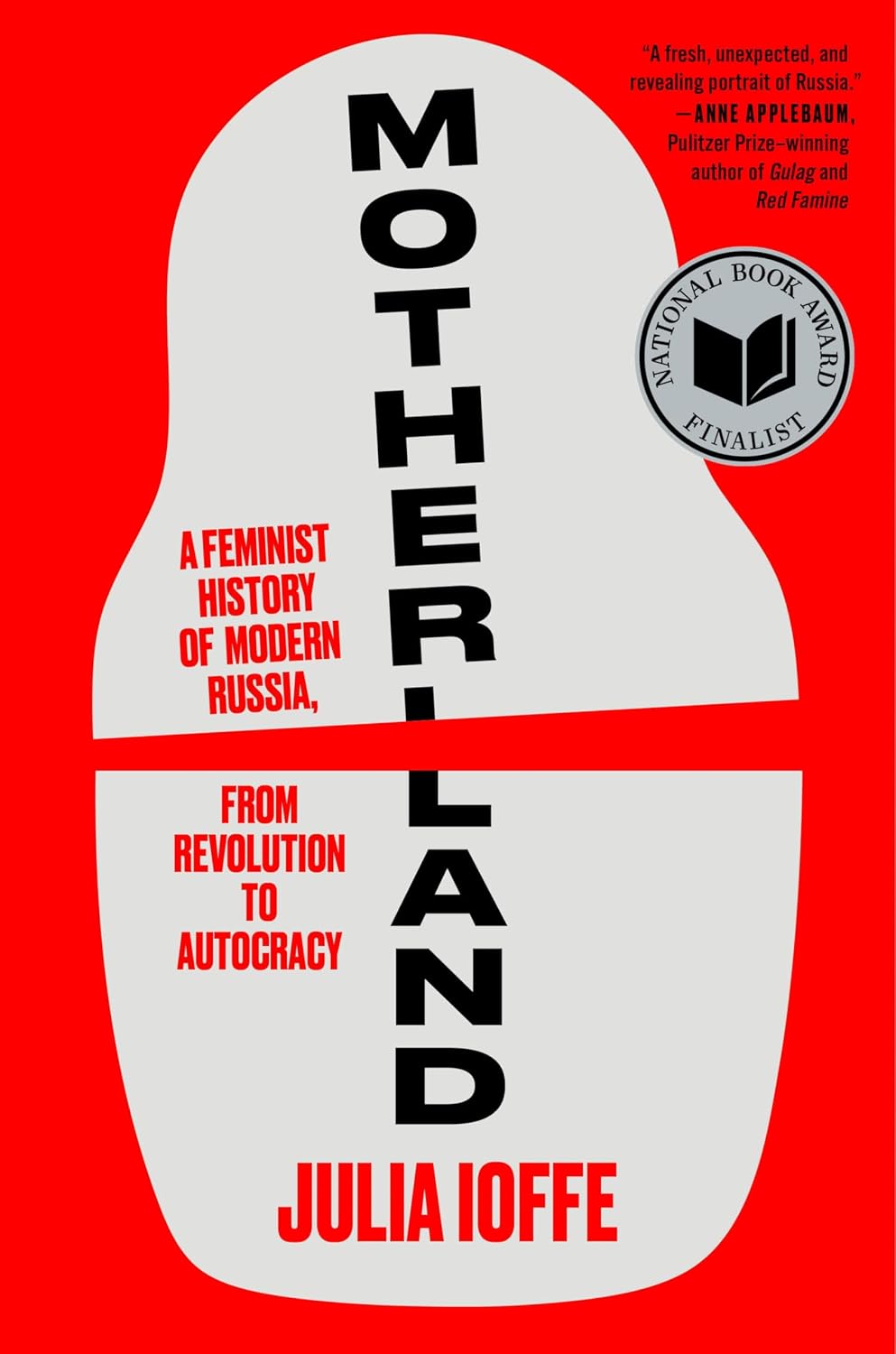
Motherland
How did Russia move from presenting itself as a pioneer of women’s emancipation to embracing conservative values and authoritarian rule? In Motherland, journalist Julia Ioffe explores modern Russian history through the lives of the women who experienced, shaped, and survived its transformations.
Combining historical research, personal memoir, and investigative journalism, Ioffe traces a century of upheaval, from the revolutionary promises of early Soviet feminism to the hardships of the Second World War and the contradictions of contemporary Russian society. She brings together the stories of her own Jewish-Russian family, feminist revolutionaries, women who fought on the front lines, single mothers who rebuilt their lives after the war, and modern activists challenging political repression.
Rather than telling Russia’s story solely through its male rulers, Ioffe places women’s experiences at the centre of the national narrative. She examines how political ideals shaped women’s opportunities, how successive generations carried the burdens of social change, and how the failure of emancipatory promises contributed to the rise of modern authoritarianism.
A finalist for the 2025 National Book Award for Nonfiction, Motherland offers a compelling exploration of feminism, power, historical memory, and the complicated relationship between personal lives and national identity.
2025