Puerto Rico
South America
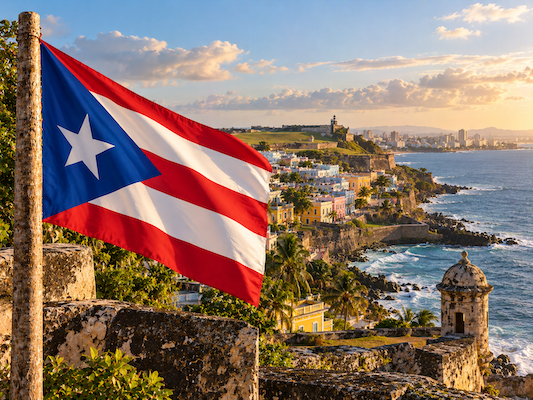
Puerto Rico is a Caribbean island in the Greater Antilles, known for its tropical mountains, rainforest, coastal cliffs, and beaches overlooking the Atlantic Ocean and Caribbean Sea. Its capital, San Juan, combines colorful colonial architecture, cobblestone streets, and historic Spanish fortifications with a lively contemporary cultural scene. Puerto Rican identity reflects Indigenous Taíno heritage, African influences, and Spanish colonial history. Spanish and English are the official languages, with Spanish predominant in everyday life. As an unincorporated territory of the United States, Puerto Rico has a distinctive political status that continues to shape discussions of identity and belonging.
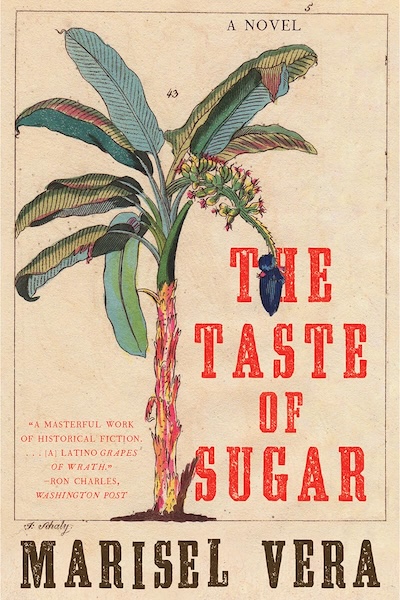
Puerto Rican literature explores colonialism, cultural identity, migration, language, and the experience of living between the Caribbean and the United States. Poetry, novels, essays, and oral traditions often examine questions of national identity, displacement, and social inequality. Julia de Burgos, one of Puerto Rico’s most celebrated poets, wrote about freedom, femininity, and self-determination. Esmeralda Santiago, author of When I Was Puerto Rican, reflects on childhood, migration, and the challenges of adapting to life in the United States. Rosario Ferré, known for The House on the Lagoon, explores class, gender, and Puerto Rico’s complex colonial history. Together, these writers reveal the diversity and depth of Puerto Rican literary expression.