Pakistan
Asia
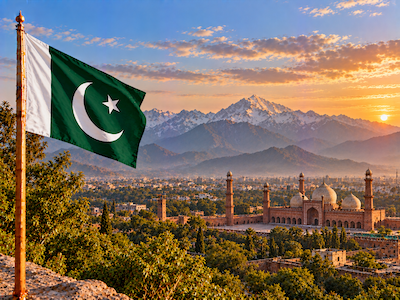
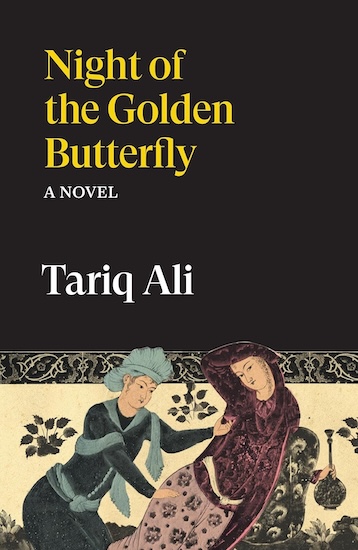
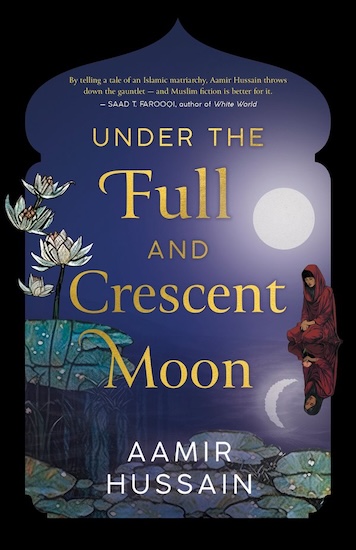
Pakistan is a country in South Asia, stretching from the towering peaks of the Karakoram, Himalayas, and Hindu Kush to the fertile Indus River plains, arid deserts, and Arabian Sea coastline. Its landscapes range from snow-covered mountains in the north to the agricultural heartlands of Punjab and the dramatic deserts of Sindh and Balochistan. Islamabad, Lahore, and Karachi are important political, cultural, and literary centers. Pakistan’s cultural identity reflects a rich mixture of South Asian, Persian, Central Asian, and Islamic influences, expressed through its languages, architecture, music, and traditions.
Pakistan has a rich literary heritage shaped by Urdu and Persian poetry, Sufi traditions, regional storytelling, folk epics, and oral literature. Poetry holds a particularly important place in cultural life, with forms such as the ghazal and nazm exploring love, spirituality, social justice, politics, and personal longing. Regional languages—including Punjabi, Sindhi, Pashto, Balochi, and Saraiki—also sustain distinctive literary traditions rooted in local histories and oral storytelling. Among the country’s most influential literary figures are Allama Muhammad Iqbal, whose philosophical poetry explores identity and spiritual renewal; Faiz Ahmed Faiz, celebrated for combining lyricism with themes of freedom and social justice; and Saadat Hasan Manto, whose short stories portray the human consequences of the 1947 Partition. Other important writers include Bano Qudsia, Intizar Husain, Kishwar Naheed, and Mohammed Hanif. Contemporary Pakistani literature frequently explores Partition, migration, gender, class, religious identity, political power, family, and the tensions between tradition and modernity. Its multilingual character offers a wide range of perspectives on life in Pakistan and the wider South Asian diaspora.