Philippines

Asia
Philippines
3
books
3
authors

Books from Philippines

1
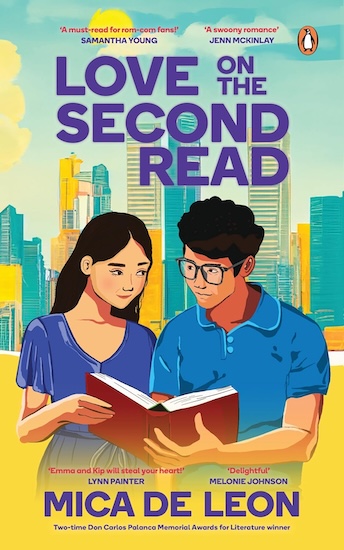
Love on the Second Read
Emma Morales knows everything about romance novels but remains sceptical about love in real life. As a dedicated romance editor, she suddenly finds herself working alongside Kip Alegre, the charmingly nerdy editor of science fiction and fantasy, on a manuscript that could save their publishing house from bankruptcy. Their professional rivalry quickly turns into a battle of literary references, flirtatious banter, and undeniable chemistry. But with an obsessive ex-boyfriend, a beautiful ex-fiancée, and meddling friends complicating matters, Emma and Kip must decide whether they’re willing to take a chance on a love story of their own. A witty, book-filled romantic comedy celebrating literary fandom, second chances, and the unexpected magic of falling in love.
2023
2
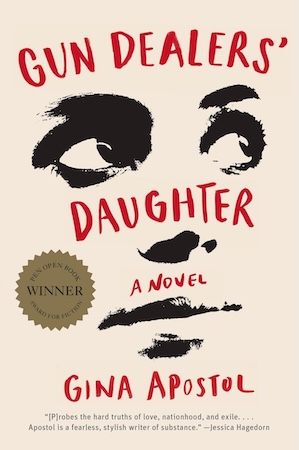
Gun Dealers’ Daughter
A privileged young woman. A revolutionary lover. A past she cannot fully remember. Growing up in a wealthy family in the Philippines under Ferdinand Marcos’s authoritarian rule, Soledad “Sol” Soliman has lived a sheltered life, far removed from her country’s poverty and political turmoil. But when she enters university in Manila, she falls in with radical student activists and becomes involved in a revolutionary movement. Torn between romantic desire and political conviction, Sol is drawn into a conspiracy with devastating consequences. Years later, living far from home, she attempts to reconstruct her fractured memories and confront the act that continues to haunt her. Blending psychological suspense with political history, Gina Apostol’s award-winning novel explores privilege, rebellion, and the uneasy relationship between personal memory and national history.
2013
3
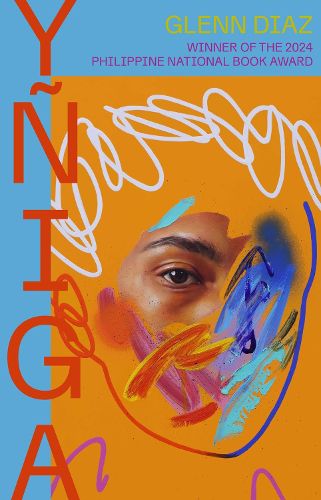
Yñiga
Yñiga
Yñiga Calinauan leads a quiet, unremarkable life in Manila until a retired army general accused of murdering peasants and political activists is arrested across the street from her home. Days later, her neighbourhood is burned to the ground, in what some suspect is retaliation. Forced to flee, Yñiga returns to M—, the small fishing town where she grew up, hoping to recover the peaceful existence she has lost. But the violence she thought she had escaped follows her, drawing her into a history of political repression and family trauma that she can no longer ignore. As the boundaries between her past and present begin to collapse, Yñiga must confront the legacy of her activist father, who disappeared years earlier, and the unresolved wounds that continue to shape her family. Blending political thriller, dark humour, and literary fiction, Glenn Diaz’s novel examines the enduring consequences of state violence in the Philippines. Against a landscape haunted by disappearances and historical injustice, it explores the possibility of resistance—not only through dramatic acts of rebellion, but also through the determination to remember, endure, and refuse silence.
2022

Famous authors from Philippines

About Philippines

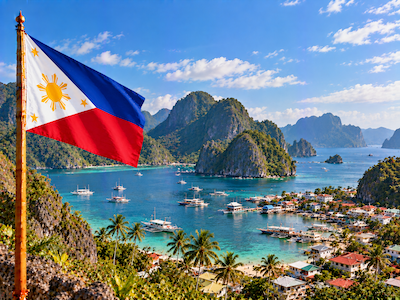
The Philippines is an archipelago in Southeast Asia made up of more than 7,000 islands between the South China Sea and the Pacific Ocean. Its landscapes include tropical beaches, volcanic mountains, dense forests, coral reefs, and vibrant coastal cities. Manila, the capital, is a major cultural center, while cities such as Cebu and Vigan preserve important historical and architectural heritage. Filipino culture reflects a distinctive blend of Indigenous Austronesian traditions, Spanish colonial history, Chinese influences, and American cultural connections, expressed through its languages, food, music, and community life.

Region
Asia
Literary Context

Philippine literature has deep roots in oral storytelling, myths, epic poetry, folk tales, riddles, and proverbs. Indigenous communities preserved stories of creation, heroes, ancestral spirits, and the natural world through generations of oral tradition. The Spanish colonial period introduced new literary forms and Catholic influences, while later American rule contributed to the development of English-language writing. Today, Philippine literature thrives in Filipino, English, and numerous regional languages, including Cebuano, Ilocano, and Hiligaynon. Among the country’s most influential writers is José Rizal, whose novels Noli Me Tangere and El filibusterismo criticized colonial society and helped inspire the Philippine independence movement. Other major figures include Nick Joaquin, known for exploring Filipino history and identity; F. Sionil José, whose fiction examines social inequality and national consciousness; Lualhati Bautista, celebrated for her feminist and socially engaged novels; and Merlinda Bobis, whose writing draws on migration, memory, and cultural belonging. Contemporary Philippine literature frequently explores colonialism, identity, family, class, migration, gender, political struggle, and the experiences of the Filipino diaspora. Its multilingual traditions offer a rich variety of perspectives on the country’s history and contemporary life.
Asia