Panama
North America
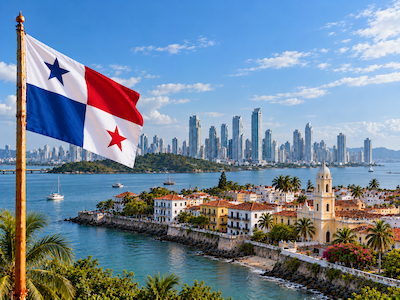
Panama is a narrow country in Central America, connecting North and South America between the Caribbean Sea and the Pacific Ocean. Its landscapes include tropical rainforests, mountain ranges, volcanic highlands, and hundreds of islands along its two coastlines. The Panama Canal, one of the world’s most important waterways, has shaped the country’s history, economy, and international connections. Panama City combines a modern skyline with the historic streets of Casco Viejo, while the country’s cultural identity reflects Indigenous, Spanish, African, Caribbean, and international influences.
Panamanian literature draws on Indigenous oral traditions, folk tales, poetry, legends, and storytelling, alongside Spanish-language literary traditions introduced during the colonial period. The country’s position at the crossroads of the Americas has influenced its writing, with themes of migration, cultural exchange, national identity, and the relationship between local communities and global forces appearing throughout its literary history. Important literary figures include Ricardo Miró, one of Panama’s best-known poets, whose work helped shape national literary identity; Rogelio Sinán, a leading modernist writer known for experimenting with form and language; and Diana Morán, whose poetry explored social justice, political struggle, and exile. Contemporary writers such as Rosa María Britton have addressed social expectations, gender, and everyday life. Panamanian literature frequently explores identity, colonial history, the Panama Canal, inequality, political change, migration, and the tensions between national heritage and international influence. Indigenous and Afro-Panamanian voices also contribute to the country’s diverse literary landscape.