Nauru
Oceania
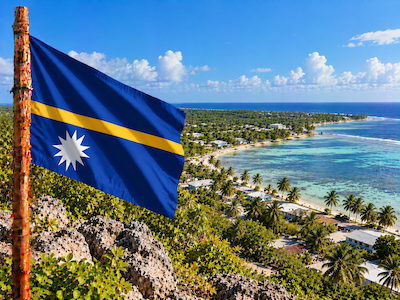
Nauru is a tiny island nation in the central Pacific, known for its coral coastline, turquoise waters, and distinctive limestone pinnacles. Unlike many Pacific nations, it has no official capital, though government offices are located in the Yaren district. The island’s history has been shaped by phosphate mining, which transformed much of its interior. Nauruan culture remains closely connected to the ocean, community traditions, music, and oral storytelling.
Nauru’s literary heritage is primarily rooted in oral traditions, including legends, chants, and stories that preserve ancestral knowledge and cultural identity. Written literature is relatively limited, but themes of colonialism, phosphate mining, environmental damage, and cultural survival are important to understanding the island’s contemporary experience. Nauruan voices also contribute to wider Pacific literature, where writers explore displacement, climate change, and the challenges facing small island communities.