Norway
Europe
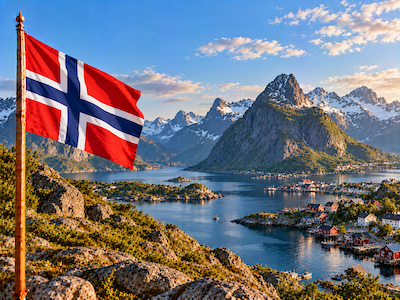
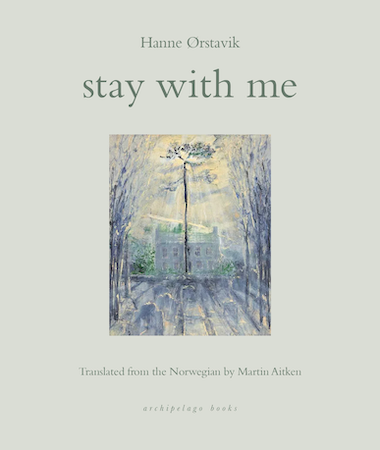
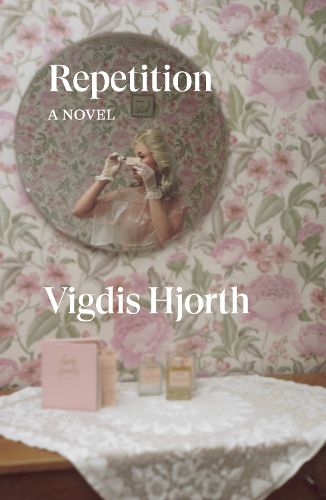
Norway is a Scandinavian country in Northern Europe, renowned for its dramatic fjords, rugged mountains, glaciers, forests, and long North Atlantic coastline. Its landscapes stretch from the southern coastal cities to the Arctic wilderness of the north, where the midnight sun and northern lights shape life throughout the seasons. Norwegian identity is closely connected to nature, outdoor life, folklore, Viking heritage, and the relationship between people and the landscape.
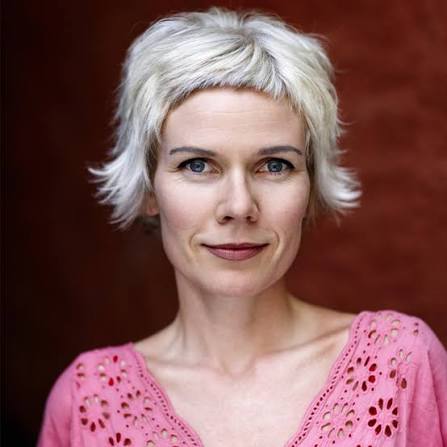
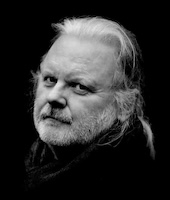
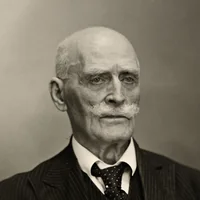
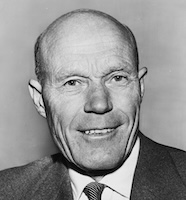
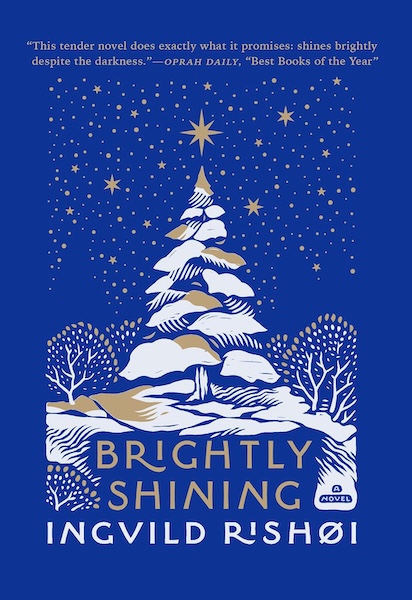
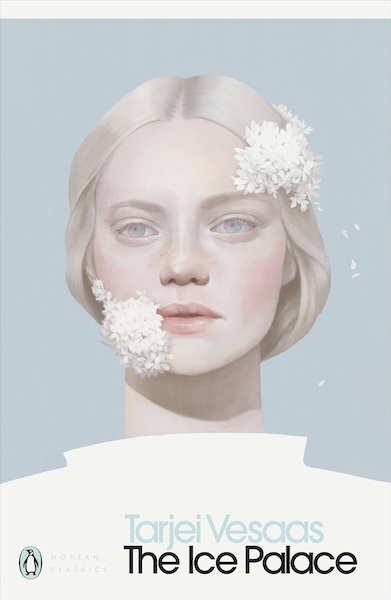
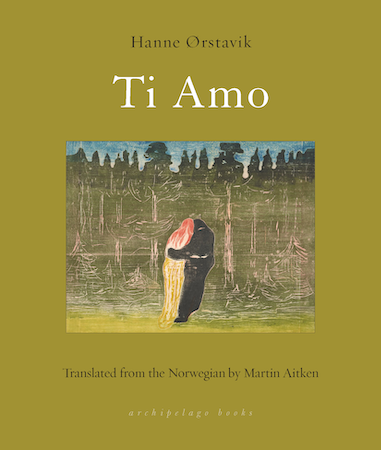
Norwegian literature has deep roots in Norse mythology, medieval sagas, folk tales, and oral storytelling. The Icelandic sagas and the Poetic Edda preserve much of the wider medieval Norse literary heritage, while Norwegian folk traditions were collected and published by Peter Christen Asbjørnsen and Jørgen Moe during the 19th century. These stories helped preserve regional legends, supernatural creatures, and rural traditions. Modern Norwegian literature flourished during the 19th century, when writers explored national identity, social change, and individual freedom. Henrik Ibsen, whose plays include A Doll’s House and Hedda Gabler, transformed modern drama, while Bjørnstjerne Bjørnson became a major novelist and playwright. Other influential authors include Knut Hamsun, Sigrid Undset, Tarjei Vesaas, and Jon Fosse, who received the Nobel Prize in Literature in 2023. Contemporary Norwegian writing often explores family, loneliness, social expectations, memory, psychological complexity, and humanity’s relationship with nature, alongside questions of migration, identity, and modern life.