Netherlands
Europe
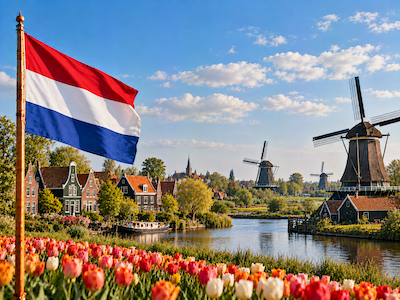

The Netherlands is a low-lying country in northwestern Europe, known for its canals, windmills, cycling culture, historic cities, and carefully managed relationship with water. Much of the landscape consists of flat plains, agricultural fields, wetlands, and coastal dunes, with dikes and polders protecting areas below sea level. Amsterdam is a major cultural center, while cities such as Utrecht, Leiden, Delft, and Rotterdam reflect the country’s rich architectural and maritime history. Dutch society has been shaped by centuries of trade, exploration, religious change, and international exchange.
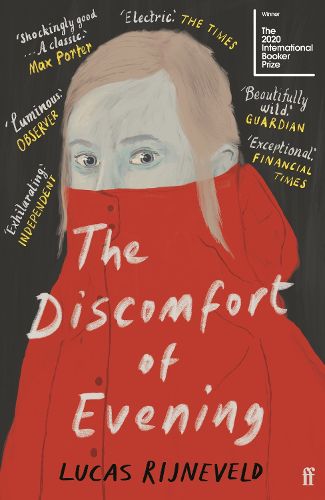
Dutch literature has a long tradition of medieval poetry, religious writing, folk tales, satire, and social commentary. During the 17th-century Dutch Golden Age, literature flourished alongside art, science, and maritime trade. Joost van den Vondel became one of the period’s most celebrated poets and playwrights, while P. C. Hooft helped shape Dutch Renaissance literature. Later writers expanded the literary landscape through realism, modernism, and explorations of identity and society. Important figures include Multatuli, whose novel Max Havelaar criticized Dutch colonial rule in the Dutch East Indies; Louis Couperus, known for psychological and historical fiction; Harry Mulisch, whose novels examine history, morality, and human responsibility; and Annie M. G. Schmidt, a beloved writer of poetry and children’s literature. Contemporary Dutch literature frequently explores colonial memory, migration, multicultural identity, family, social change, and the relationship between individual freedom and collective responsibility. Literature from the Dutch Caribbean and other formerly colonized regions also forms an important part of the wider Dutch-language literary world.