Myanmar
Asia
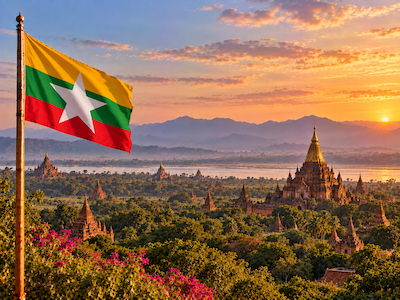
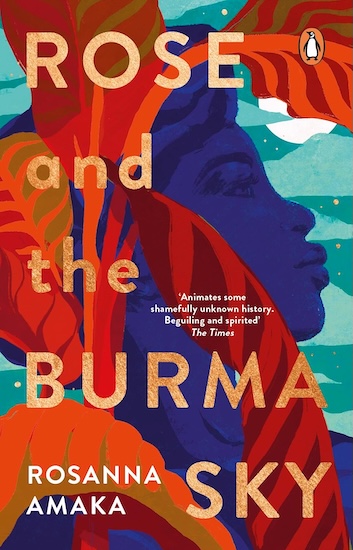
Myanmar, also known as Burma, is a country in Southeast Asia bordered by India, Bangladesh, China, Laos, and Thailand. Its landscapes range from the Himalayan foothills and forested mountains in the north to the Irrawaddy River valley, central dry zone, tropical forests, and the Andaman Sea coastline. Yangon is the country’s largest city, while Mandalay has long been an important center of Burmese culture and Buddhism. Myanmar’s cultural heritage reflects the traditions of Bamar, Shan, Karen, Rakhine, Mon, Kachin, Chin, and many other ethnic communities.
Myanmar has a long literary tradition shaped by Buddhist teachings, royal chronicles, poetry, folklore, and oral storytelling. Early written literature developed around Buddhist monasteries and royal courts, with Pali and Burmese playing important roles in religious and literary life. Traditional forms include yadu poetry, historical narratives, moral tales, and stories drawn from the Jataka tradition of the Buddha’s previous lives. Modern Burmese literature expanded during the colonial period, when writers began using novels, short stories, essays, and journalism to explore social change and national identity. Important authors include Thakin Kodaw Hmaing, known for his political satire and poetry, Journal Kyaw Ma Ma Lay, whose fiction examined Burmese society and women’s lives, and Dagon Taya, a prominent writer and literary critic. Contemporary literature often addresses identity, tradition and modernity, political repression, conflict, displacement, family, and the struggle to preserve cultural memory amid profound social change.