Madagascar
Africa
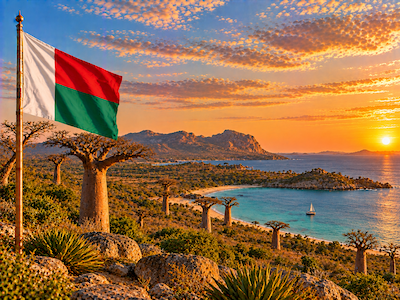
Madagascar is a vast island nation in the Indian Ocean, separated from mainland Africa by the Mozambique Channel. Its landscapes range from tropical rainforests and highland plateaus to dry forests, spiny deserts, dramatic limestone formations, and long coastlines. The island is renowned for its extraordinary biodiversity, including lemurs and baobabs, while its culture reflects a distinctive blend of African, Austronesian, Arab, and later European influences.
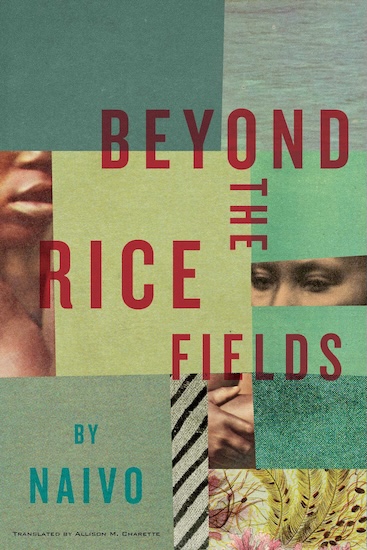
Madagascar has a rich tradition of oral literature, including myths, legends, historical narratives, proverbs, songs, and ceremonial poetry. Oral storytelling has traditionally been an important way of preserving genealogy, cultural knowledge, moral values, and collective memory. Malagasy literature developed in several languages, with Malagasy and French particularly important in modern writing. Major writers include Jean-Joseph Rabearivelo, one of Madagascar’s most important poets and a major figure of Francophone literature, as well as Flavien Ranaivo, Michèle Rakotoson, and Naivo. Their work explores questions of identity, colonialism, language, memory, cultural heritage, migration, and the relationship between traditional Malagasy society and the modern world. Contemporary literature also increasingly gives voice to different regional and social experiences across the island.