Luxembourg
Europe
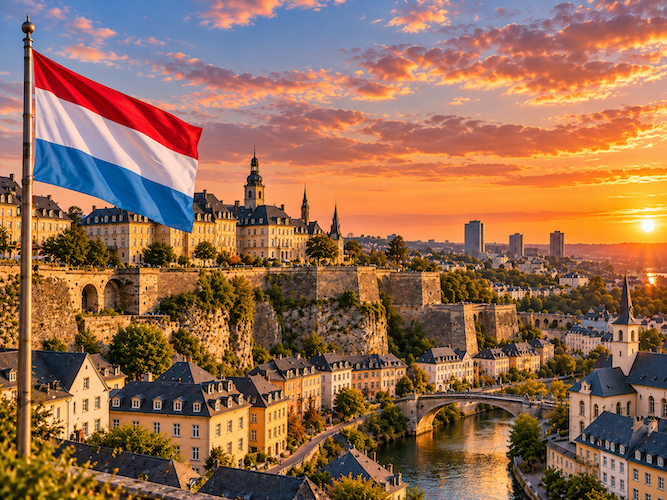
Luxembourg is a small, multilingual country in the heart of Western Europe, bordered by Belgium, France, and Germany. Its landscape combines wooded hills, river valleys, farmland, and historic towns, while Luxembourg City is known for its dramatic fortified old quarters, bridges, and deep river valleys. The country’s culture reflects its position at the crossroads of Germanic and Romance Europe, with Luxembourgish, French, and German all playing important roles in public and cultural life.
Luxembourg has a distinctly multilingual literary tradition, with writers working primarily in Luxembourgish, French, and German. Early literature was strongly connected to folklore, religious writing, songs, and local storytelling, while the development of Luxembourgish as a literary language became closely linked to the country’s emerging national identity. Important writers include Michel Rodange, best known for the satirical epic Renert, and Nik Welter, a poet, playwright, and cultural figure who helped establish Luxembourgish literature in the modern period. Later writers such as Anise Koltz, Edmond de la Fontaine (Dicks), and Jean Portante have expanded Luxembourg’s literary presence across languages and borders. Contemporary literature often explores multilingualism, identity, migration, European belonging, memory, and the experience of living between cultures and languages.