Sri Lanka
Asia
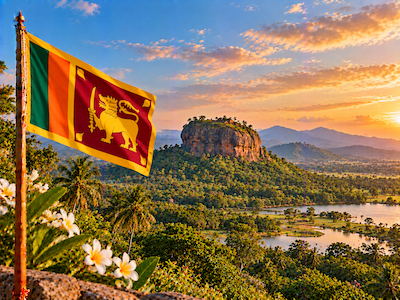
Sri Lanka is an island nation in the Indian Ocean, just south of India, known for its tropical beaches, lush tea plantations, mist-covered mountains, ancient temples, and rich biodiversity. Its cultural heritage reflects centuries of Buddhist traditions, Hindu influences, and Portuguese, Dutch, and British colonial rule. From the historic streets of Galle to the ancient rock fortress of Sigiriya and the central highlands, the island brings together remarkable natural beauty and layers of history. Sinhala and Tamil are its official languages, while English is widely used. Sri Lanka’s diverse communities, religious traditions, and complex past continue to shape its national identity.
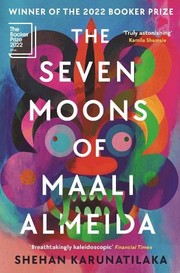
Sri Lankan literature spans centuries, from ancient Buddhist chronicles and oral storytelling traditions to contemporary novels exploring identity, displacement, memory, and conflict. Much of its literary heritage is written in Sinhala and Tamil, with a growing international readership for works in English. Traditional stories, Buddhist parables, poetry, and folklore have influenced generations of writers, while colonialism, independence, and the long civil war have shaped modern literary themes. Among its best-known writers is Martin Wickramasinghe, whose fiction explores village life and the changes brought by modernization. Michael Ondaatje, a Sri Lankan-born novelist and poet, is internationally known for The English Patient. Romesh Gunesekera examines migration, memory, and the legacy of colonialism, while Anuk Arudpragasam, in The Story of a Brief Marriage, explores the human consequences of civil war. Shehan Karunatilaka, winner of the 2022 Booker Prize for The Seven Moons of Maali Almeida, blends satire, supernatural elements, and political history. Together, these writers reveal a literary landscape shaped by multiple languages, cultural traditions, and the enduring search for belonging.