Kazakhstan
Asia
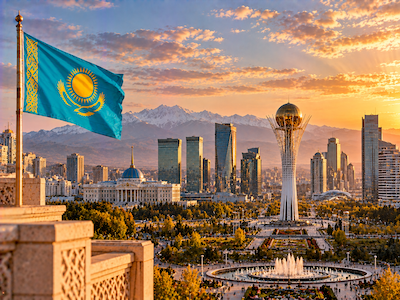
Kazakhstan is the world’s largest landlocked country, stretching across the vast steppes of Central Asia from the Caspian Sea to the Altai Mountains. Its landscapes include open grasslands, deserts, alpine lakes, forests, and dramatic mountain ranges. Astana represents the country’s modern, futuristic identity, while cities such as Almaty and Turkistan reflect different layers of Kazakhstan’s history. Its culture is deeply connected to the traditions of nomadic Turkic peoples, horsemanship, music, hospitality, and the landscapes of the steppe.
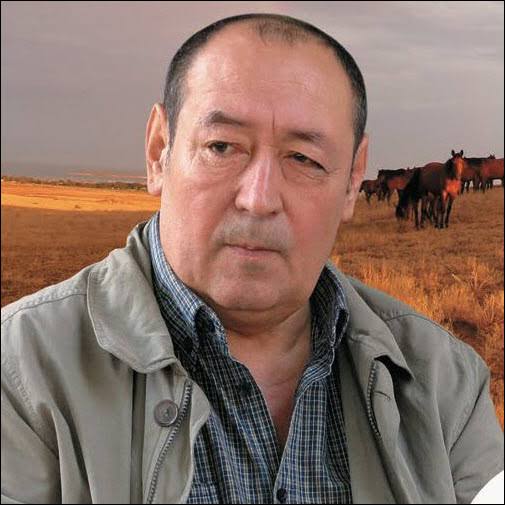
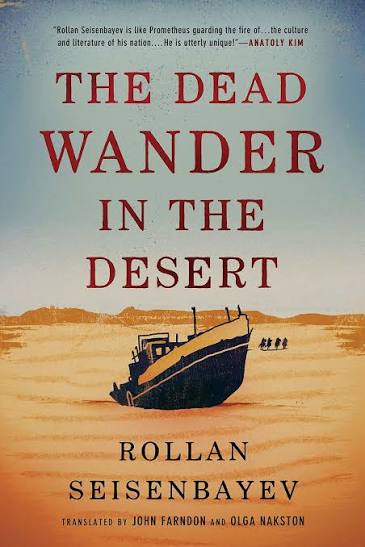
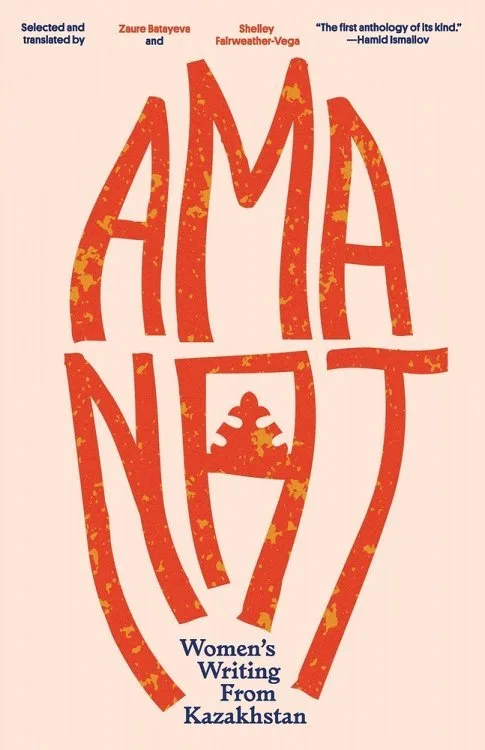
Kazakhstan has a strong tradition of oral poetry, epic storytelling, legends, songs, and the performance of akyns—poet-improvisers who traditionally composed and performed verses in public. Epic narratives preserved stories of heroes, ancestors, battles, love, and the relationship between people and the steppe. Modern Kazakh literature developed particularly strongly in the 19th and 20th centuries. Abai Qunanbaiuly, poet, philosopher, and cultural reformer, is considered the foundational figure of modern Kazakh literature. Later writers such as Mukhtar Auezov, author of The Path of Abai, explored Kazakh history and society, while contemporary authors including Rollan Seisenbayev and Aigul Kemelbayeva have continued to examine identity, history, memory, and cultural change. Kazakh literature frequently explores the steppe, nomadic heritage, modernization, colonial and Soviet experiences, national identity, displacement, and the relationship between tradition and the modern world.