Cambodia
Asia
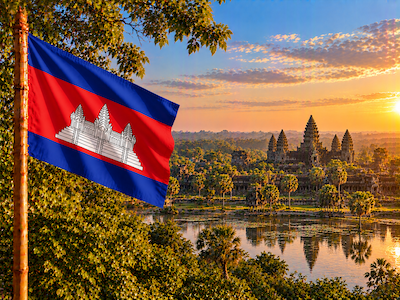
Cambodia is a Southeast Asian country known for its tropical landscapes, Mekong River, Tonlé Sap Lake, and extraordinary Khmer architectural heritage. Its cultural identity is deeply connected to Theravada Buddhism and the legacy of the ancient Khmer Empire, whose most famous monument is Angkor Wat.
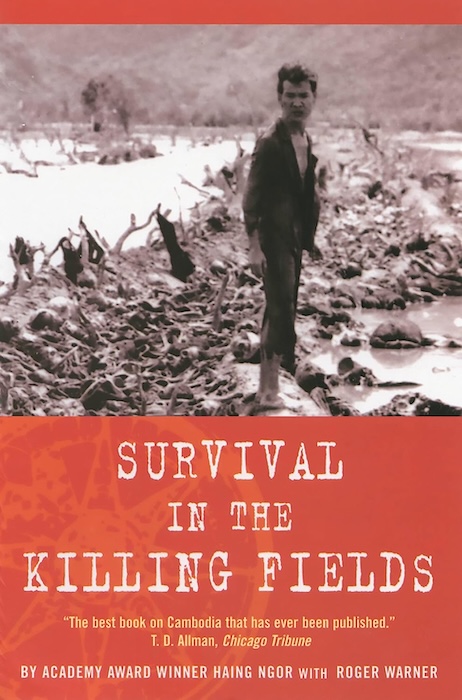
Cambodian literature has deep roots in oral storytelling, Buddhist teachings, legends, poetry, and royal traditions. Classical works often drew on Hindu and Buddhist mythology, while folk tales preserved history and moral values through generations. Modern Cambodian literature was profoundly affected by French colonialism, independence, the Khmer Rouge period, and the decades of conflict that followed. Writers have explored memory, trauma, family, displacement, and the challenge of preserving culture after enormous social upheaval. Contemporary Cambodian writing increasingly examines war and remembrance, diaspora, identity, modernization, and the relationship between traditional Khmer culture and contemporary life.