Jamaica
North America
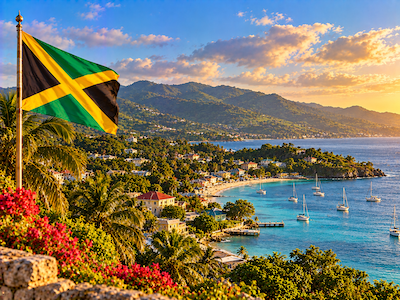
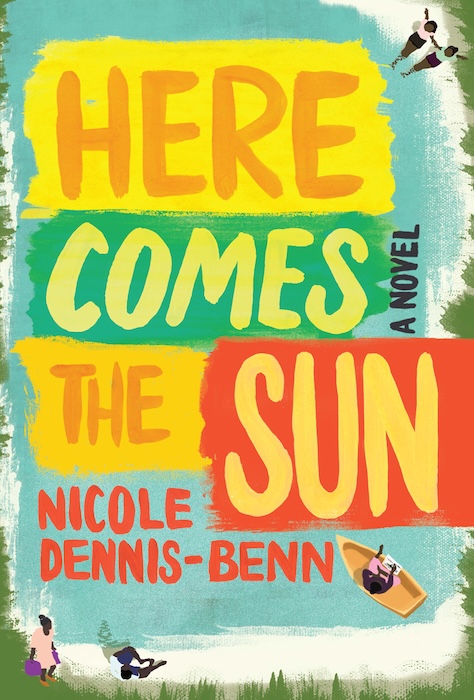
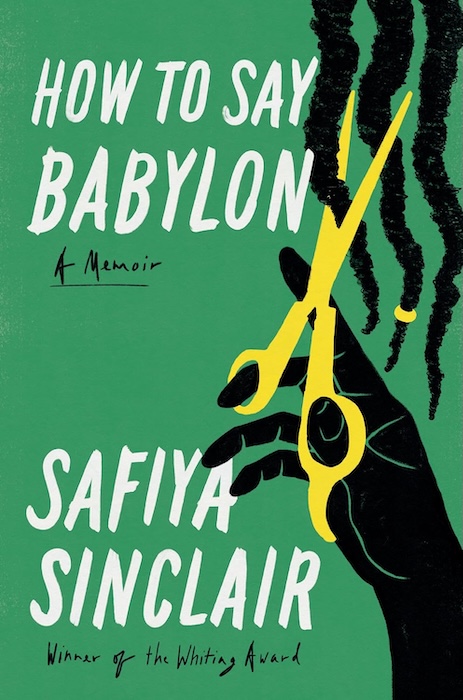
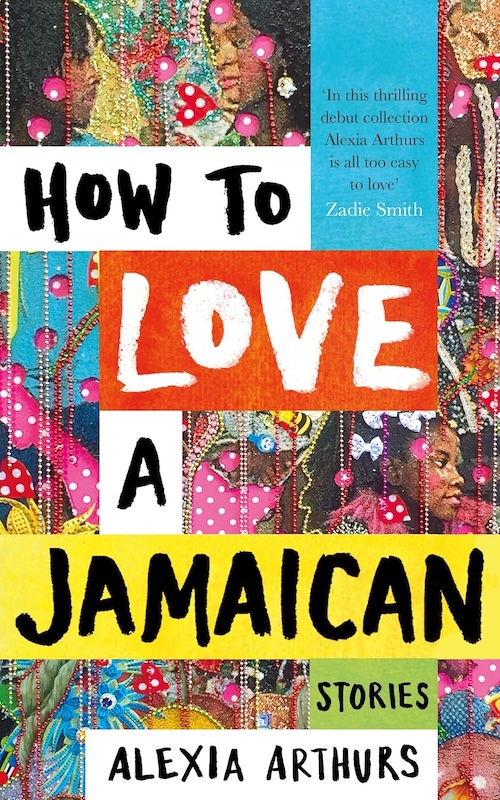
Jamaica is a mountainous Caribbean island known for its tropical forests, lush valleys, waterfalls, coral beaches, and vibrant coastal communities. Kingston, the capital, is the country’s cultural and creative center, while the Blue Mountains and smaller towns reflect Jamaica’s strong connection to nature and rural life. Jamaican culture has been shaped by African heritage, Indigenous Taíno traditions, European colonial history, and influences from India, China, and other parts of the Caribbean.
Jamaican literature has strong roots in oral storytelling, folktales, songs, proverbs, and African-derived traditions. English and Jamaican Patois both play important roles in literary expression, with writers often moving between formal English and local speech to capture the rhythms and experiences of Jamaican life. Modern Jamaican literature has explored colonialism, race, class, identity, migration, sexuality, political struggle, and the legacy of slavery. Major writers include Claude McKay, an important figure of the Harlem Renaissance, Roger Mais, Louise Bennett-Coverley, and John Hearne, while contemporary authors such as Marlon James and Olive Senior have brought Jamaican perspectives to international audiences. Jamaican writing frequently connects the island to the wider Caribbean and its diaspora, exploring questions of belonging, memory, cultural inheritance, and displacement.