Iraq
Asia
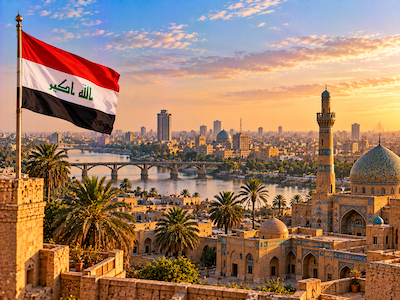
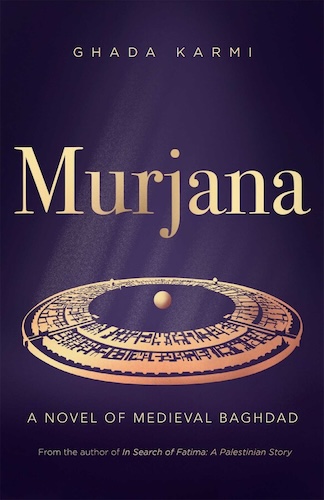
Iraq lies in the heart of the Middle East, between the Tigris and Euphrates rivers. Its landscape ranges from the fertile plains of Mesopotamia to the mountains of the north and the marshlands of the south. Baghdad, built along the Tigris, has long been a major center of intellectual and cultural life. Iraq’s heritage reflects ancient Mesopotamian civilizations alongside Arab, Kurdish, Turkmen, Assyrian, Persian, Islamic, and other cultural traditions.
Iraq is home to one of the world’s earliest literary traditions. Ancient Mesopotamia produced works such as the Epic of Gilgamesh, preserved in cuneiform on clay tablets, as well as myths, hymns, royal inscriptions, and wisdom literature. Centuries later, Baghdad became a major center of scholarship during the Abbasid period, contributing to Arabic poetry, philosophy, science, and literary culture. Modern Iraqi literature has often responded to war, political upheaval, exile, memory, identity, and the experience of ordinary life. Important writers include Badr Shakir al-Sayyab, a pioneer of modern Arabic free verse, Nazik al-Malaika, Fadhil al-Azzawi, Sinan Antoon, and Ahmed Saadawi, author of Frankenstein in Baghdad. Iraqi Kurdish and other literary traditions add further perspectives, creating a diverse body of writing shaped by Iraq’s many languages and communities.