Books from India
Suggest a book
All genres
Historical Fiction
Literary Fiction
Fantasy
Romance
Horror
Thriller
Non-Fiction
Mystery
Memoir
Classics
History
Sci-Fi
Contemporary Fiction
Science Fiction
Fiction
Poetry
Essays
Family Saga
Magical Realism
Family Drama
Dark Academia
Psychological Fiction
Dark Comedy
Political Writing
Feminist Fiction
Satire
Campus Fiction
Cultural Studies
Biography
Philosophy
Comedy
Drama
Young Adult
Gothic
Dystopia
Crime
Children's Books
Short Stories
Mythology
Cozy
Retellings
Humour
Adventure
All themes
Love & Passion
Adventure & Journey
Identity & Belonging
War & Conflict
Freedom & Resistance
Family & Heritage
Nature & Landscape
Society & Class
Spirituality & Faith
Solitude & Exile
Coming of Age
Revolution & Change
Friendship
History
Immigration
Myths and Retellings
Colonialism
Women & Society
Mental Health
Motherhood
1
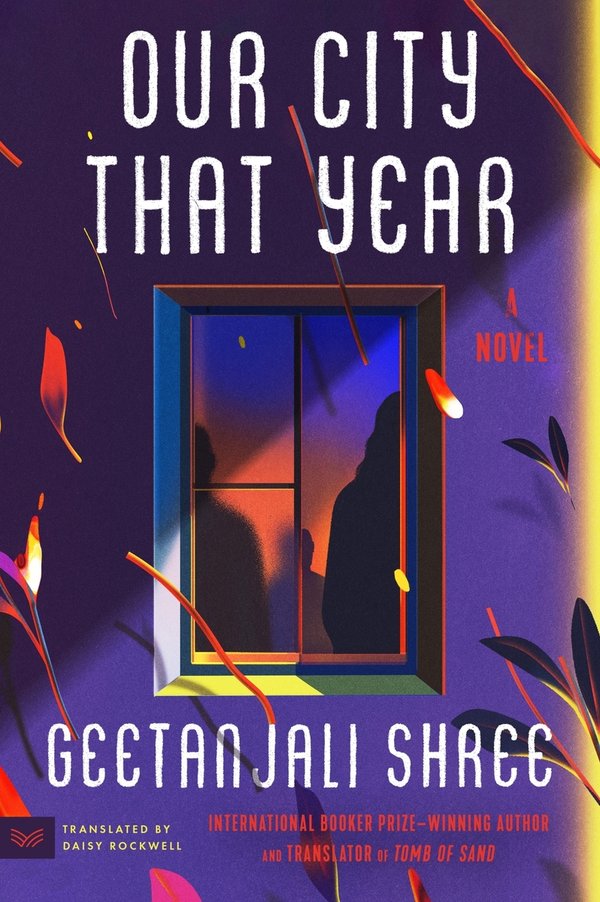
Our City That Year
An Indian city descends into communal violence, and the boundaries between neighbours, friends, and enemies begin to collapse. As religious extremism spreads and fear silences public life, three intellectuals struggle to make sense of the unfolding catastrophe. Shruti, a writer, finds herself unable to put the horrors into words; Hanif, an academic whose secular beliefs isolate him, watches his world shrink; and Sharad confronts the growing distance between himself and his childhood friend. Meanwhile, an unnamed narrator attempts to record what others might prefer to forget. Inspired by the political and social tensions surrounding the destruction of the Babri Mosque in 1992, Our City That Year is a haunting exploration of religious nationalism, fractured communities, and the responsibility of bearing witness when silence becomes complicity.
1998
2
The Palace of Illusions
The Palace of Illusions retells the ancient Indian epic Mahabharata from the perspective of Panchaali, also known as Draupadi, the princess who becomes the wife of the five Pandava brothers. Born from fire and raised amid royal expectations, Panchaali is intelligent, passionate, and determined to influence her own destiny in a world governed by men, duty, and political ambition. As her husbands fight to reclaim their kingdom, she becomes entangled in rivalries, betrayals, and the devastating conflict that eventually leads to war. The novel offers a fresh interpretation of familiar events by foregrounding Panchaali’s inner life, desires, and frustrations. Divakaruni explores gender, power, fate, and the consequences of pride, questioning how women experience and influence histories traditionally told through the deeds of male heroes
2008
3
A Burning
In A Burning, Megha Majumdar tells the story of three people whose lives become entangled after a terrorist attack on a train in India. Jivan, a young Muslim woman from a poor neighborhood, is arrested after posting a critical comment about the government’s response to the tragedy. As she awaits trial, two people who could help her pursue their own ambitions: Lovely, a hijra and aspiring actress who once received kindness from Jivan, and PT Sir, her former physical education teacher, who becomes involved in politics. As the legal system fails Jivan, the others face choices that reveal the costs of ambition, social conformity, and self-preservation. Through these intersecting lives, Majumdar examines religious discrimination, corruption, class inequality, and the fragility of justice in contemporary India. The novel offers a tense and compelling portrait of how political power and public opinion can determine the fate of vulnerable individuals.
2020
4
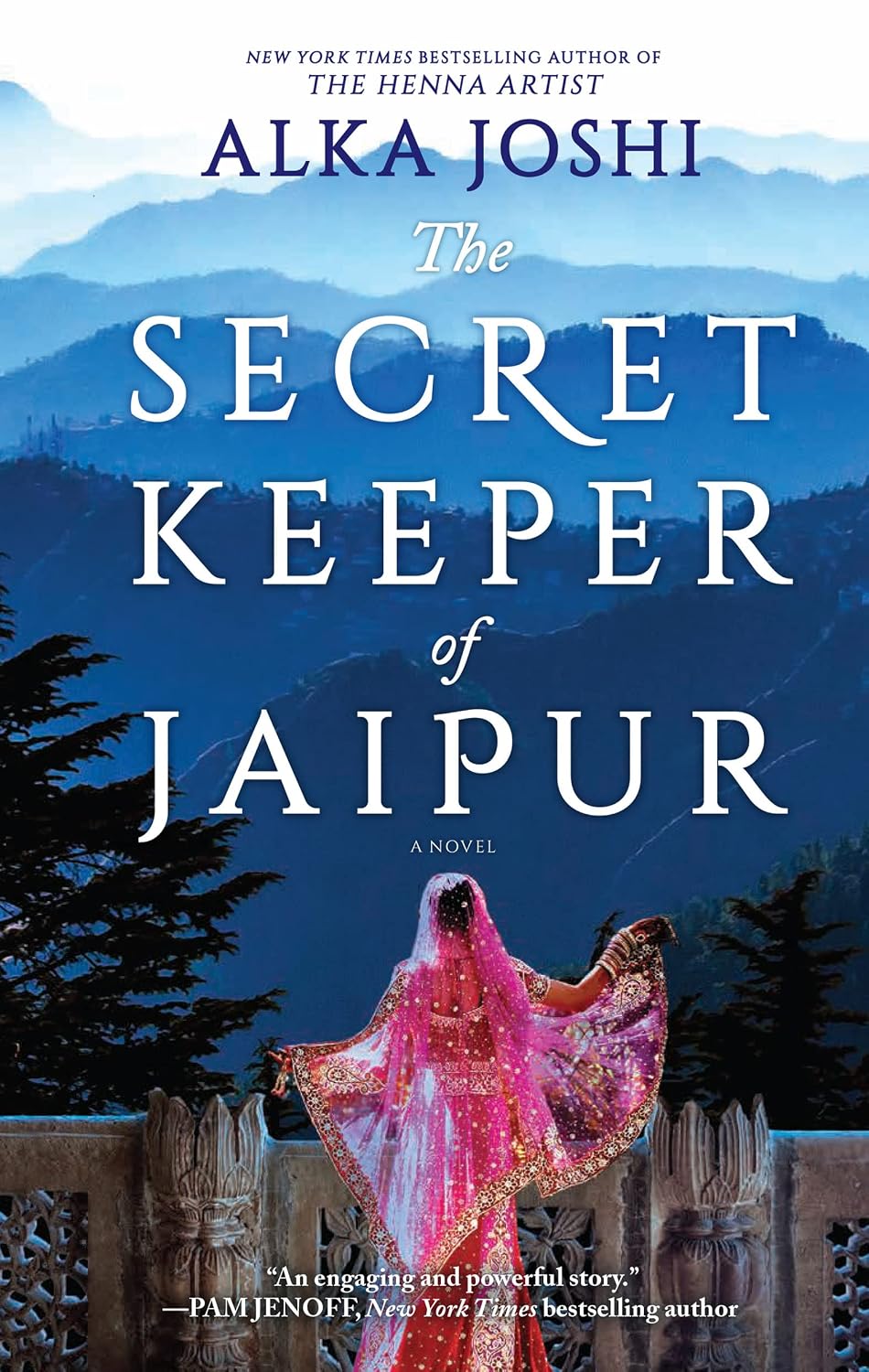
Secret Keeper of Jaipur
Set in Jaipur in 1969, The Secret Keeper of Jaipur follows Malik, a young man who returns to the city where he grew up to begin an apprenticeship at the royal palace. Under the guidance of Lakshmi, the former henna artist who has become a respected figure in the community, Malik hopes to build a promising future. His work brings him into contact with the wealthy and influential people overseeing the construction of a modern cinema. When the cinema’s balcony collapses on opening night, the resulting tragedy exposes corruption, concealed interests, and the unequal distribution of power. Suspecting that the disaster was not simply an accident, Malik begins investigating the truth, putting himself at risk as he challenges those determined to protect their reputations. Joshi examines social inequality, ambition, and the influence of wealth and privilege in a rapidly changing India.
2021
5
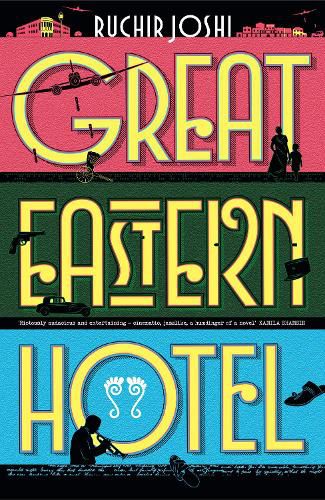
Great Eastern Hotel
Set in Calcutta (now Kolkata) during the Second World War and the turbulent years that follow, Great Eastern Hotel is an expansive historical novel about a city caught between colonial rule, political upheaval and the promise of independence. The story begins in August 1941, on the day of Rabindranath Tagore’s death, when thousands gather to mourn the celebrated poet. Against this backdrop, the lives of four central characters begin to intertwine: Nirupama, a history student and Communist Party volunteer; Imogen, the English daughter of a British colonial official; Kedar, an aspiring painter from a wealthy family; and Gopal, a young pickpocket drawn into a dangerous underworld. Their paths cross with those of soldiers, artists, revolutionaries and secret agents who gather at the city’s famous Great Eastern Hotel. Through interconnected stories of love, ambition, espionage and political struggle, Joshi captures a society on the brink of transformation. The hotel becomes a symbol of Kolkata itself—a meeting place for cultures, conflicting loyalties and people whose lives are swept up in the currents of history.
2025
6
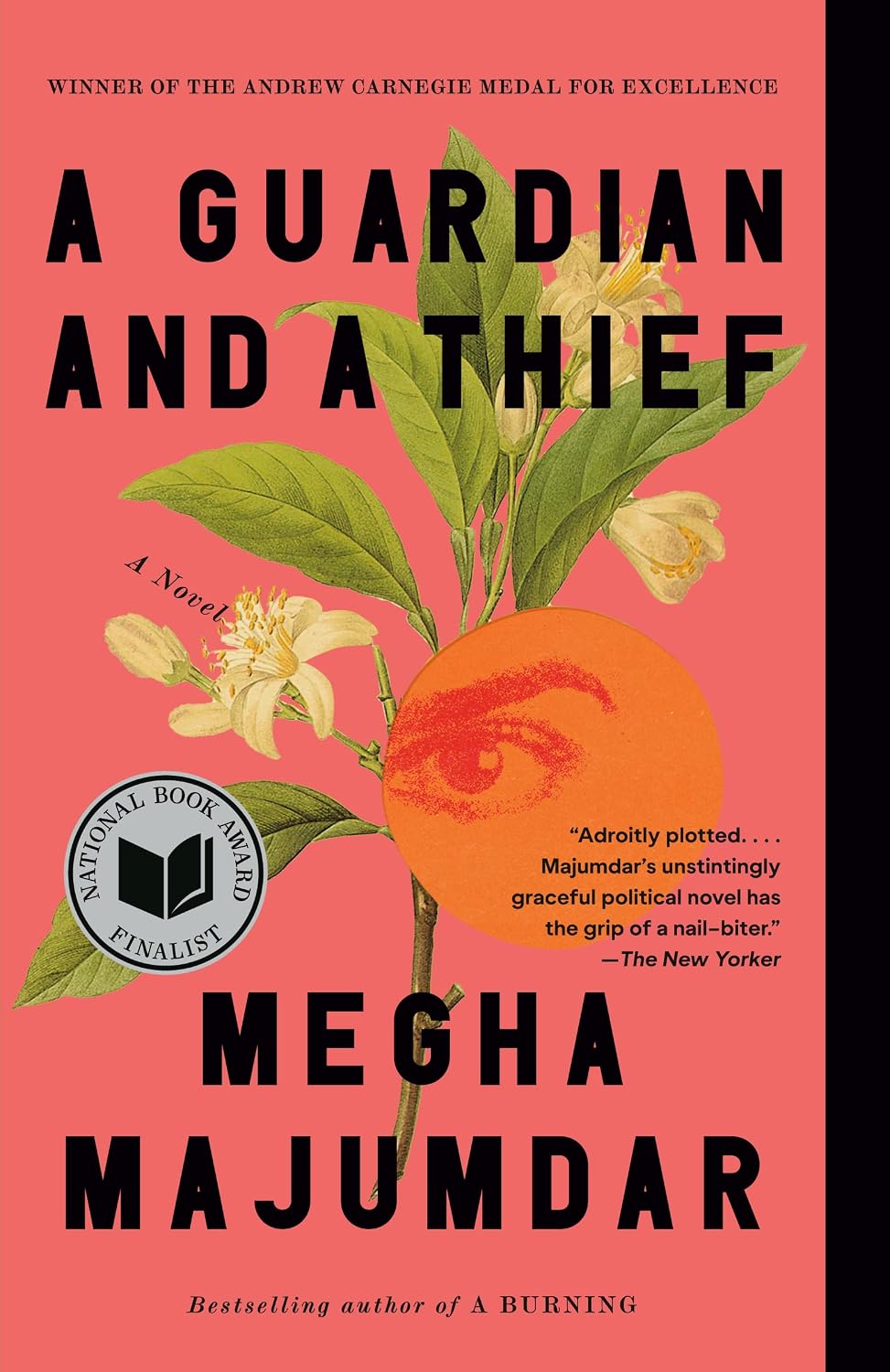
Guardian and a Thief
Set in a near-future Kolkata devastated by extreme heat and environmental crisis, A Guardian and a Thief follows two families whose lives become entangled through desperation and difficult moral choices. Ma, a mother determined to secure a future for her young daughter and elderly father, is preparing to leave India for the United States. Her plans are threatened when a young thief steals the documents her family needs to emigrate. The thief, meanwhile, is struggling to feed his own child in a city where poverty and climate catastrophe have made survival increasingly difficult. As their stories unfold over a single week, Majumdar explores the boundaries between right and wrong when people are pushed to desperate extremes. The novel examines inequality, parenthood, migration, and the moral compromises people make when protecting their families becomes a matter of survival.
2025
7
Heart Lamp
Heart Lamp is a collection of twelve short stories portraying the lives of women and girls in Muslim communities in southern India. Through intimate family dramas, everyday conflicts, and moments of dark humor, Banu Mushtaq explores the effects of patriarchy, religious authority, caste discrimination, and social expectations on women’s lives. Her characters include mothers struggling to protect their children, girls confronting restrictive traditions, and women navigating relationships shaped by unequal power. Written with wit, compassion, and sharp social observation, the stories reveal both the injustices embedded in family and community life and the resilience of those who challenge them. Originally written in Kannada over more than three decades, the collection offers a nuanced portrait of contemporary Indian society. It won the 2025 International Booker Prize in Deepa Bhasthi’s English translation.
2025
8
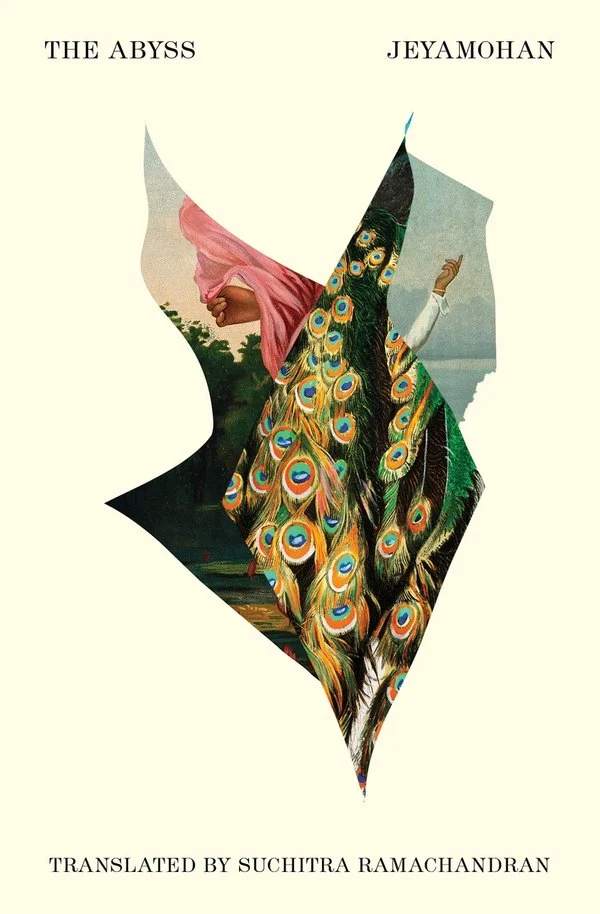
The Abyss
In the hidden world of India’s professional begging networks, human suffering has become a business. Pothivelu Pandaram is a respected, religious man who has built his prosperity on an appalling trade: he buys and breeds people with physical disabilities, then places them outside temples to beg for money. Among those he exploits are Mangandi Samy, a profoundly disabled man whose haunting songs express a longing for divine love, and others whose lives have been reduced to commodities. Pandaram treats them as possessions rather than human beings, convinced that his success and social standing justify his actions. But when an unexpected transaction disrupts his carefully controlled world, the moral foundations of his existence begin to crumble. Combining dark humour, grotesque realism, and spiritual inquiry, Jeyamohan confronts readers with uncomfortable questions about compassion, exploitation, and human dignity. Rather than offering easy answers, The Abyss challenges us to examine the cruelty people can inflict on one another—and the possibility of liberation even in the most degrading circumstances.
2026