Books from India
Suggest a book
All genres
Historical Fiction
Literary Fiction
Fantasy
Romance
Horror
Thriller
Non-Fiction
Mystery
Memoir
Classics
History
Sci-Fi
Contemporary Fiction
Science Fiction
Fiction
Poetry
Essays
Family Saga
Magical Realism
Family Drama
Dark Academia
Psychological Fiction
Dark Comedy
Political Writing
Feminist Fiction
Satire
Campus Fiction
Cultural Studies
Biography
Philosophy
Comedy
Drama
Young Adult
Gothic
Dystopia
Crime
Children's Books
Short Stories
Mythology
Cozy
Retellings
Humour
Adventure
All themes
Love & Passion
Adventure & Journey
Identity & Belonging
War & Conflict
Freedom & Resistance
Family & Heritage
Nature & Landscape
Society & Class
Spirituality & Faith
Solitude & Exile
Coming of Age
Revolution & Change
Friendship
History
Immigration
Myths and Retellings
Colonialism
Women & Society
Mental Health
Motherhood
1
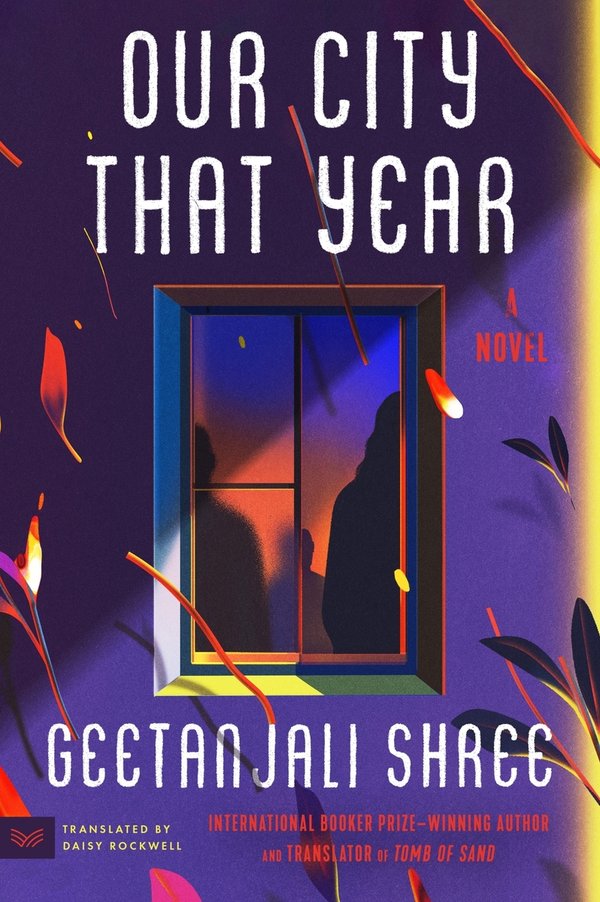
Our City That Year
An Indian city descends into communal violence, and the boundaries between neighbours, friends, and enemies begin to collapse. As religious extremism spreads and fear silences public life, three intellectuals struggle to make sense of the unfolding catastrophe. Shruti, a writer, finds herself unable to put the horrors into words; Hanif, an academic whose secular beliefs isolate him, watches his world shrink; and Sharad confronts the growing distance between himself and his childhood friend. Meanwhile, an unnamed narrator attempts to record what others might prefer to forget. Inspired by the political and social tensions surrounding the destruction of the Babri Mosque in 1992, Our City That Year is a haunting exploration of religious nationalism, fractured communities, and the responsibility of bearing witness when silence becomes complicity.
1998
2
A Burning
In A Burning, Megha Majumdar tells the story of three people whose lives become entangled after a terrorist attack on a train in India. Jivan, a young Muslim woman from a poor neighborhood, is arrested after posting a critical comment about the government’s response to the tragedy. As she awaits trial, two people who could help her pursue their own ambitions: Lovely, a hijra and aspiring actress who once received kindness from Jivan, and PT Sir, her former physical education teacher, who becomes involved in politics. As the legal system fails Jivan, the others face choices that reveal the costs of ambition, social conformity, and self-preservation. Through these intersecting lives, Majumdar examines religious discrimination, corruption, class inequality, and the fragility of justice in contemporary India. The novel offers a tense and compelling portrait of how political power and public opinion can determine the fate of vulnerable individuals.
2020
3
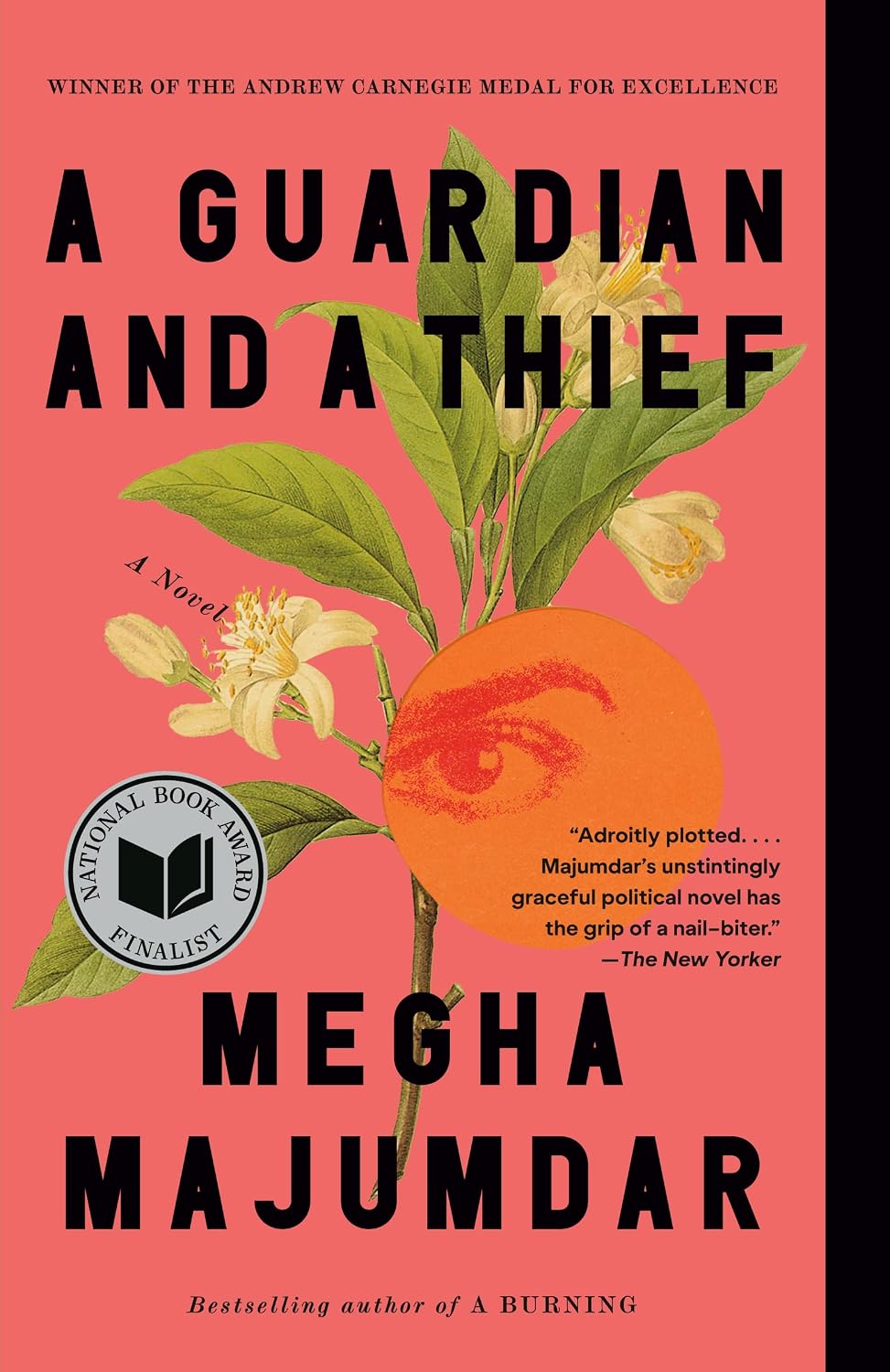
Guardian and a Thief
Set in a near-future Kolkata devastated by extreme heat and environmental crisis, A Guardian and a Thief follows two families whose lives become entangled through desperation and difficult moral choices. Ma, a mother determined to secure a future for her young daughter and elderly father, is preparing to leave India for the United States. Her plans are threatened when a young thief steals the documents her family needs to emigrate. The thief, meanwhile, is struggling to feed his own child in a city where poverty and climate catastrophe have made survival increasingly difficult. As their stories unfold over a single week, Majumdar explores the boundaries between right and wrong when people are pushed to desperate extremes. The novel examines inequality, parenthood, migration, and the moral compromises people make when protecting their families becomes a matter of survival.
2025
4
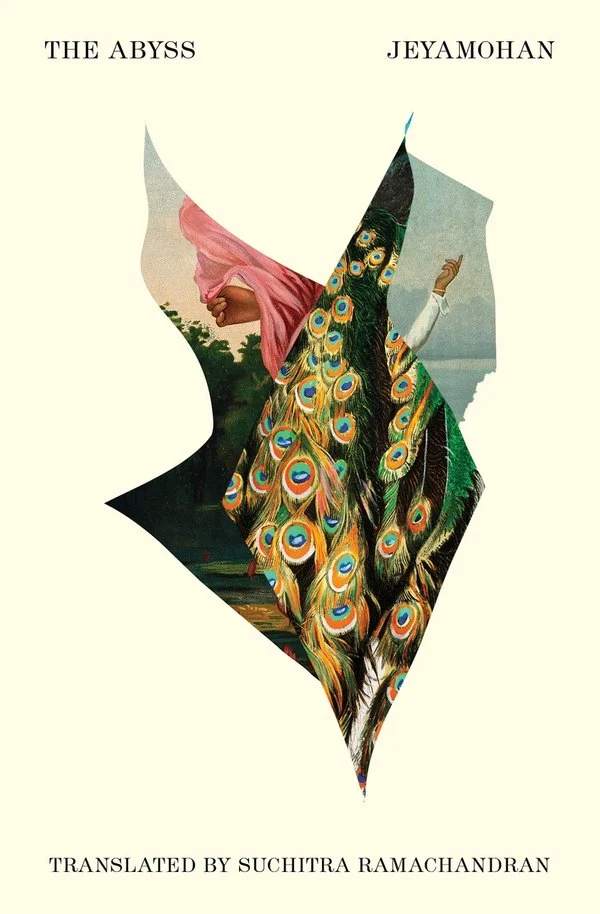
The Abyss
In the hidden world of India’s professional begging networks, human suffering has become a business. Pothivelu Pandaram is a respected, religious man who has built his prosperity on an appalling trade: he buys and breeds people with physical disabilities, then places them outside temples to beg for money. Among those he exploits are Mangandi Samy, a profoundly disabled man whose haunting songs express a longing for divine love, and others whose lives have been reduced to commodities. Pandaram treats them as possessions rather than human beings, convinced that his success and social standing justify his actions. But when an unexpected transaction disrupts his carefully controlled world, the moral foundations of his existence begin to crumble. Combining dark humour, grotesque realism, and spiritual inquiry, Jeyamohan confronts readers with uncomfortable questions about compassion, exploitation, and human dignity. Rather than offering easy answers, The Abyss challenges us to examine the cruelty people can inflict on one another—and the possibility of liberation even in the most degrading circumstances.
2026