Books from India
Suggest a book
All genres
Historical Fiction
Literary Fiction
Fantasy
Romance
Horror
Thriller
Non-Fiction
Mystery
Memoir
Classics
History
Sci-Fi
Contemporary Fiction
Science Fiction
Fiction
Poetry
Essays
Family Saga
Magical Realism
Family Drama
Dark Academia
Psychological Fiction
Dark Comedy
Political Writing
Feminist Fiction
Satire
Campus Fiction
Cultural Studies
Biography
Philosophy
Comedy
Drama
Young Adult
Gothic
Dystopia
Crime
Children's Books
Short Stories
Mythology
Cozy
Retellings
Humour
Adventure
All themes
Love & Passion
Adventure & Journey
Identity & Belonging
War & Conflict
Freedom & Resistance
Family & Heritage
Nature & Landscape
Society & Class
Spirituality & Faith
Solitude & Exile
Coming of Age
Revolution & Change
Friendship
History
Immigration
Myths and Retellings
Colonialism
Women & Society
Mental Health
Motherhood
1
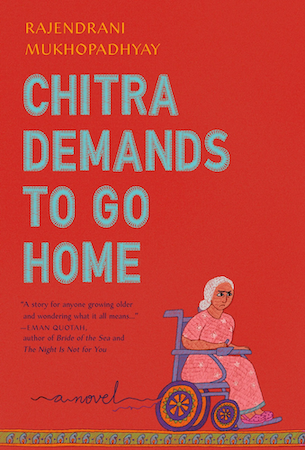
Chitra Demands to Go Home
Seventy-five-year-old Chitra is a Bengali widow who has spent much of her life caring for her family and maintaining a beloved home in Kolkata. Now, with her children grown and living their own lives, she looks forward to enjoying her independence and travelling the world. But her plans collapse when she suffers a stroke while visiting her younger son in the United States. After her son also experiences a medical emergency, Chitra finds herself in Tranquil Town, an assisted-living facility in Columbus, Ohio, surrounded by strangers and unfamiliar customs. Determined to return to India, she refuses to accept her new circumstances and relentlessly pressures her sons to take her home. Yet beneath her stubbornness lies a deeper struggle with displacement, ageing, and the loss of control over her own life. With warmth, humour, and emotional insight, Rajendrani Mukhopadhyay explores the complexities of intergenerational relationships, cultural differences, and the meaning of home. Chitra’s story challenges familiar expectations about ageing and family duty, offering a compassionate portrait of a woman determined to live on her own terms.
2026
2
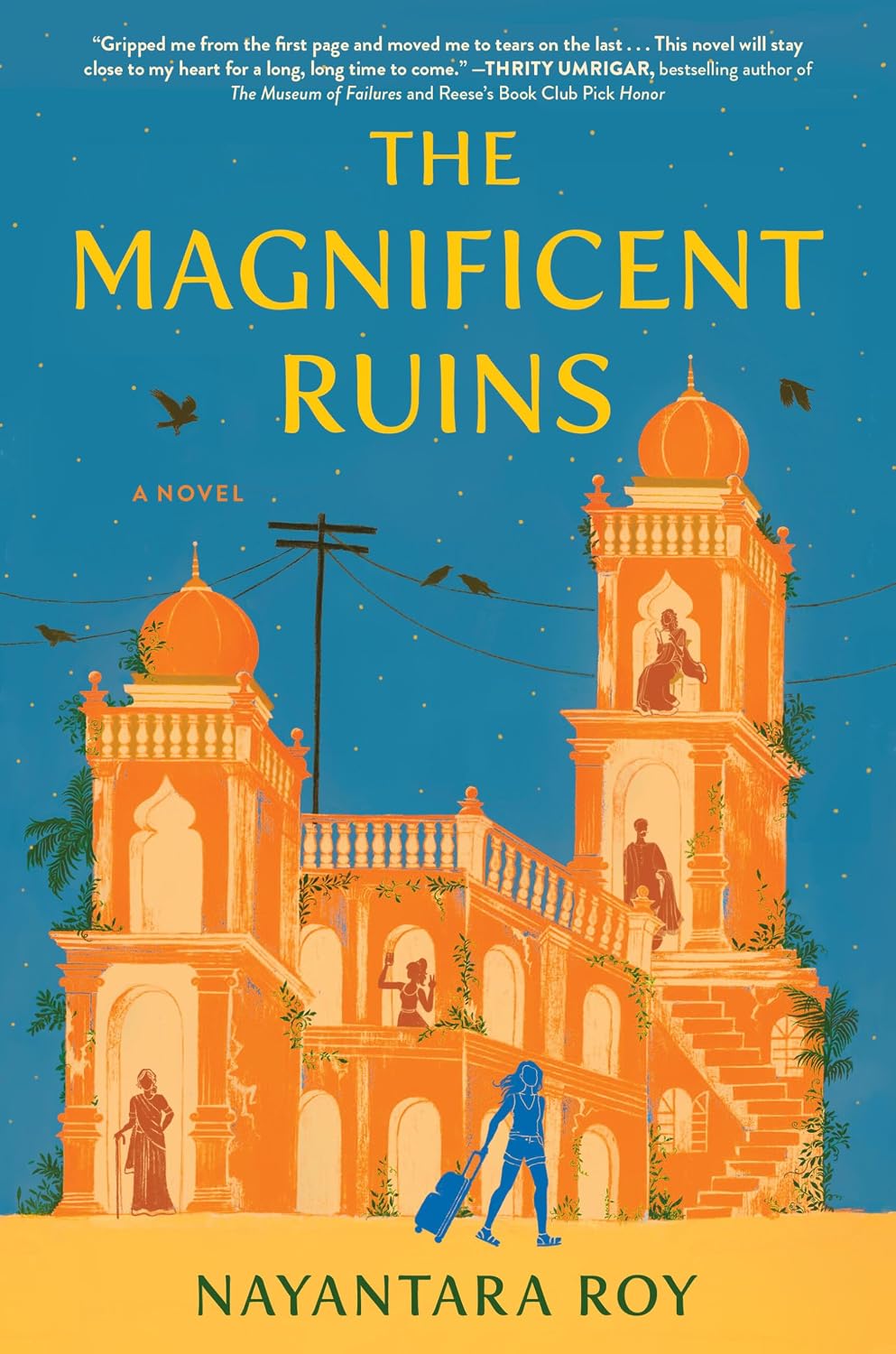
Magnificent Ruins
The Magnificent Ruins follows Lila De, an Indian American book editor whose career is gaining momentum when she learns that she has inherited her family’s sprawling ancestral home in Kolkata. Having been estranged from her relatives for sixteen years, Lila returns to India to confront a past she deliberately left behind. Her arrival unsettles the extended family members who still occupy the house, many of whom resent her unexpected inheritance. As old relationships resurface and family secrets begin to emerge, Lila finds herself caught between the life she has built in the United States and the complicated history connecting her to Kolkata. Roy explores inheritance in both its material and emotional forms, examining how family loyalties, unresolved grievances, and cultural expectations influence the search for belonging. The novel considers whether confronting the past can help individuals understand the people they have become.
2024
3
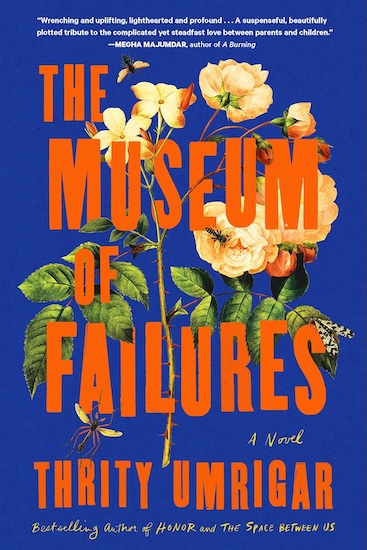
The Museum of Failures
Remy Wadia returns to Bombay from his home in America after learning that his elderly mother has fallen seriously ill. Estranged from his parents for years, he arrives with complicated feelings about his childhood, his family’s secrets, and the emotional distance that has defined their relationship. His mother survives, but the visit forces Remy to confront painful memories and reconsider the stories he has told himself about his past. As he reconnects with his family and the city he once called home, he begins uncovering truths that challenge his understanding of his parents and himself. Set against the vibrant, contradictory landscape of contemporary Mumbai, The Museum of Failures explores immigration, cultural identity, parental love, and the possibility of forgiveness. Through Remy’s journey, Umrigar asks whether understanding the people who have hurt us can help us make peace with the past and find a way forward.
2023
4
The Lowland
The Lowland tells the story of two brothers, Subhash and Udayan, who grow up together in Calcutta but choose dramatically different paths as adults. During the 1960s, Udayan becomes involved in the Naxalite movement, a radical communist uprising that challenges India’s political and social order. Subhash, by contrast, leaves for the United States to pursue an academic career. When political violence destroys Udayan’s future, Subhash returns to India and makes a decision that binds him to his brother’s family for decades. The consequences of this choice unfold across generations, affecting relationships, marriages, and the identity of Udayan’s daughter, Bela. Lahiri explores guilt, loyalty, political conviction, and the lasting consequences of family secrets, showing how a single act can shape the lives of people who were never responsible for it.
2013
5
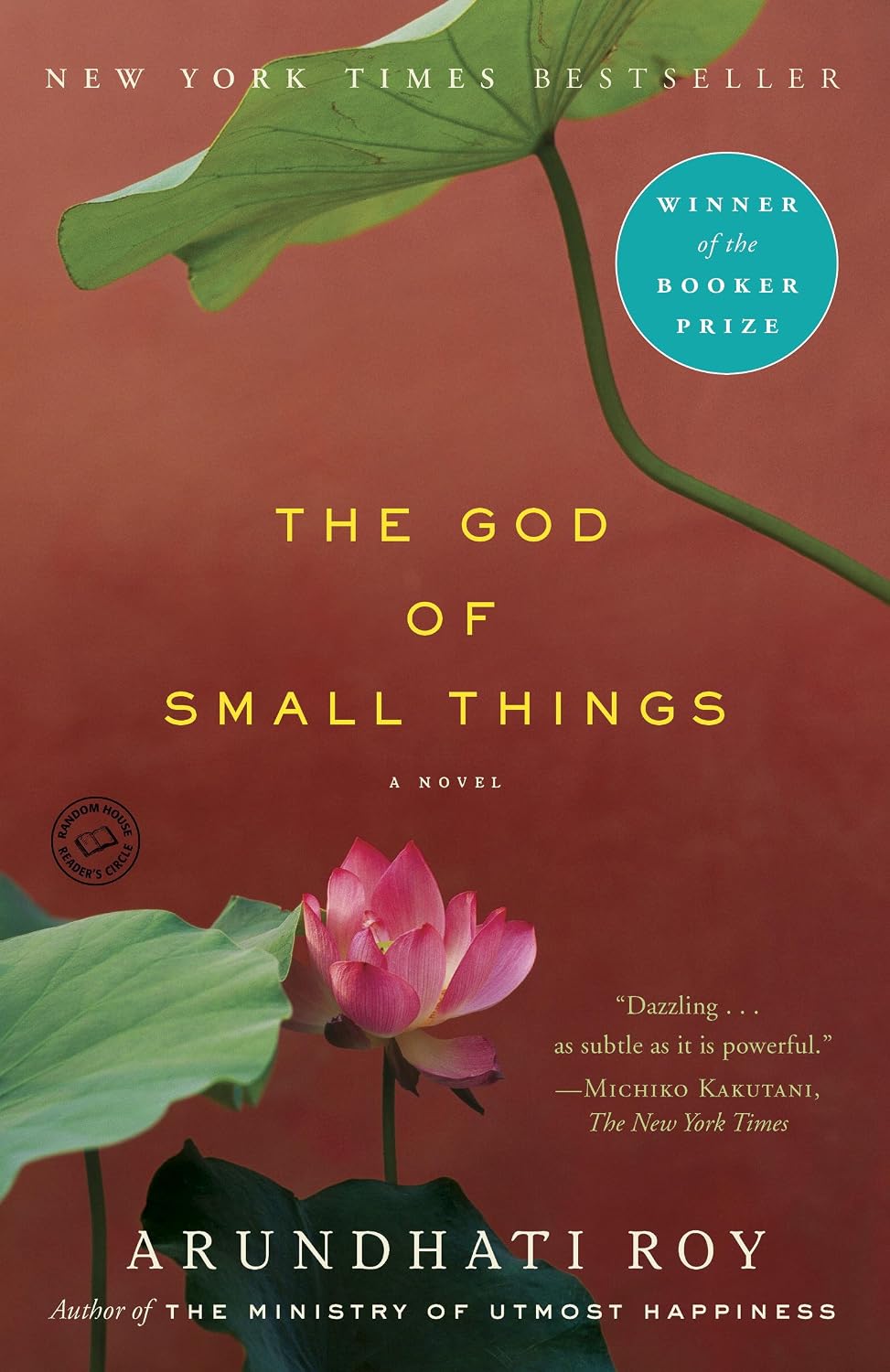
The God of Small Things
Set in Kerala, southern India, The God of Small Things tells the story of fraternal twins Estha and Rahel, whose childhood is shattered by a series of tragic events that permanently alter their family. Through a nonlinear narrative that moves between their childhood in 1969 and their reunion as adults, the novel explores the consequences of forbidden love, social prejudice, and deeply rooted cultural expectations. When their cousin Sophie Mol visits from England, an unexpected tragedy exposes the family’s hidden tensions and the cruelty of the social hierarchies governing their lives. At the centre of the story is Ammu, the twins’ mother, whose relationship with Velutha, a man from an oppressed caste, challenges the rigid boundaries of Indian society. Roy’s lyrical prose captures the beauty of childhood perception alongside the devastating effects of discrimination, silence, and loss. The novel examines how seemingly small moments can shape entire lives, revealing the profound consequences of breaking society’s unwritten rules.
1997