Books from India
Suggest a book
All genres
Historical Fiction
Literary Fiction
Fantasy
Romance
Horror
Thriller
Non-Fiction
Mystery
Memoir
Classics
History
Sci-Fi
Contemporary Fiction
Science Fiction
Fiction
Poetry
Essays
Family Saga
Magical Realism
Family Drama
Dark Academia
Psychological Fiction
Dark Comedy
Political Writing
Feminist Fiction
Satire
Campus Fiction
Cultural Studies
Biography
Philosophy
Comedy
Drama
Young Adult
Gothic
Dystopia
Crime
Children's Books
Short Stories
Mythology
Cozy
Retellings
Humour
Adventure
All themes
Love & Passion
Adventure & Journey
Identity & Belonging
War & Conflict
Freedom & Resistance
Family & Heritage
Nature & Landscape
Society & Class
Spirituality & Faith
Solitude & Exile
Coming of Age
Revolution & Change
Friendship
History
Immigration
Myths and Retellings
Colonialism
Women & Society
Mental Health
Motherhood
1
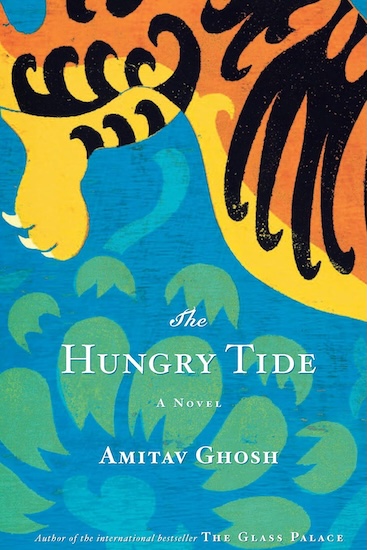
The Hungry Tide
Set in the Sundarbans, a vast archipelago of mangrove forests and tidal rivers on the eastern coast of India, The Hungry Tide brings together three people from different worlds. Piya Roy, an American marine biologist of Indian descent, arrives to study the endangered Irrawaddy dolphins. She meets Fokir, a local fisherman whose intimate knowledge of the waterways makes him an invaluable guide, and Kanai Dutt, a translator and businessman visiting his aunt on the islands. As their lives become intertwined, they encounter the region’s dangerous wildlife, political tensions, and precarious relationship between humans and nature. Through this richly layered story, Amitav Ghosh explores environmental conservation, cultural differences, displacement, and the struggle of vulnerable communities to survive in an unforgiving landscape. The novel examines the complex relationship between people and the natural world, questioning whether scientific knowledge, local traditions, and human ambition can coexist.
2004
2
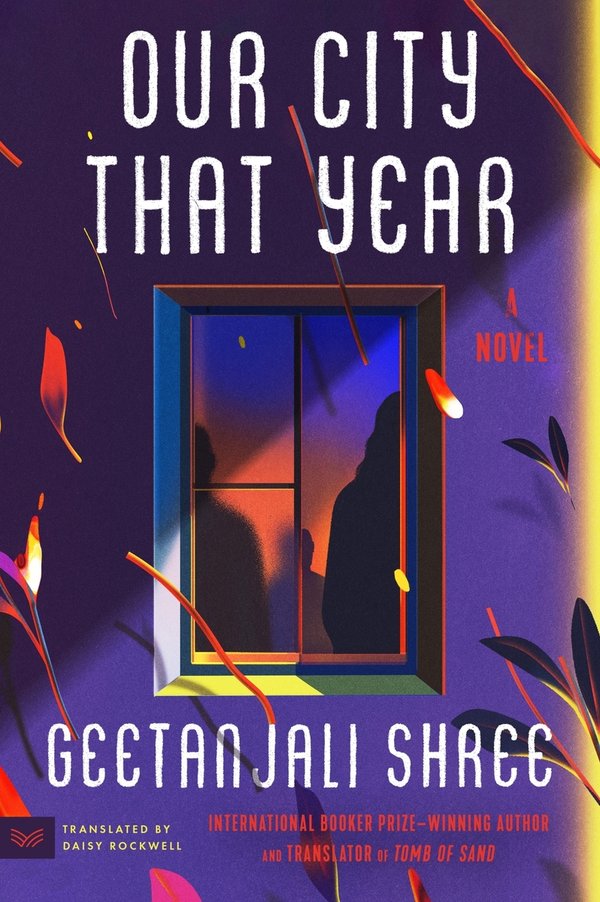
Our City That Year
An Indian city descends into communal violence, and the boundaries between neighbours, friends, and enemies begin to collapse. As religious extremism spreads and fear silences public life, three intellectuals struggle to make sense of the unfolding catastrophe. Shruti, a writer, finds herself unable to put the horrors into words; Hanif, an academic whose secular beliefs isolate him, watches his world shrink; and Sharad confronts the growing distance between himself and his childhood friend. Meanwhile, an unnamed narrator attempts to record what others might prefer to forget. Inspired by the political and social tensions surrounding the destruction of the Babri Mosque in 1992, Our City That Year is a haunting exploration of religious nationalism, fractured communities, and the responsibility of bearing witness when silence becomes complicity.
1998
3
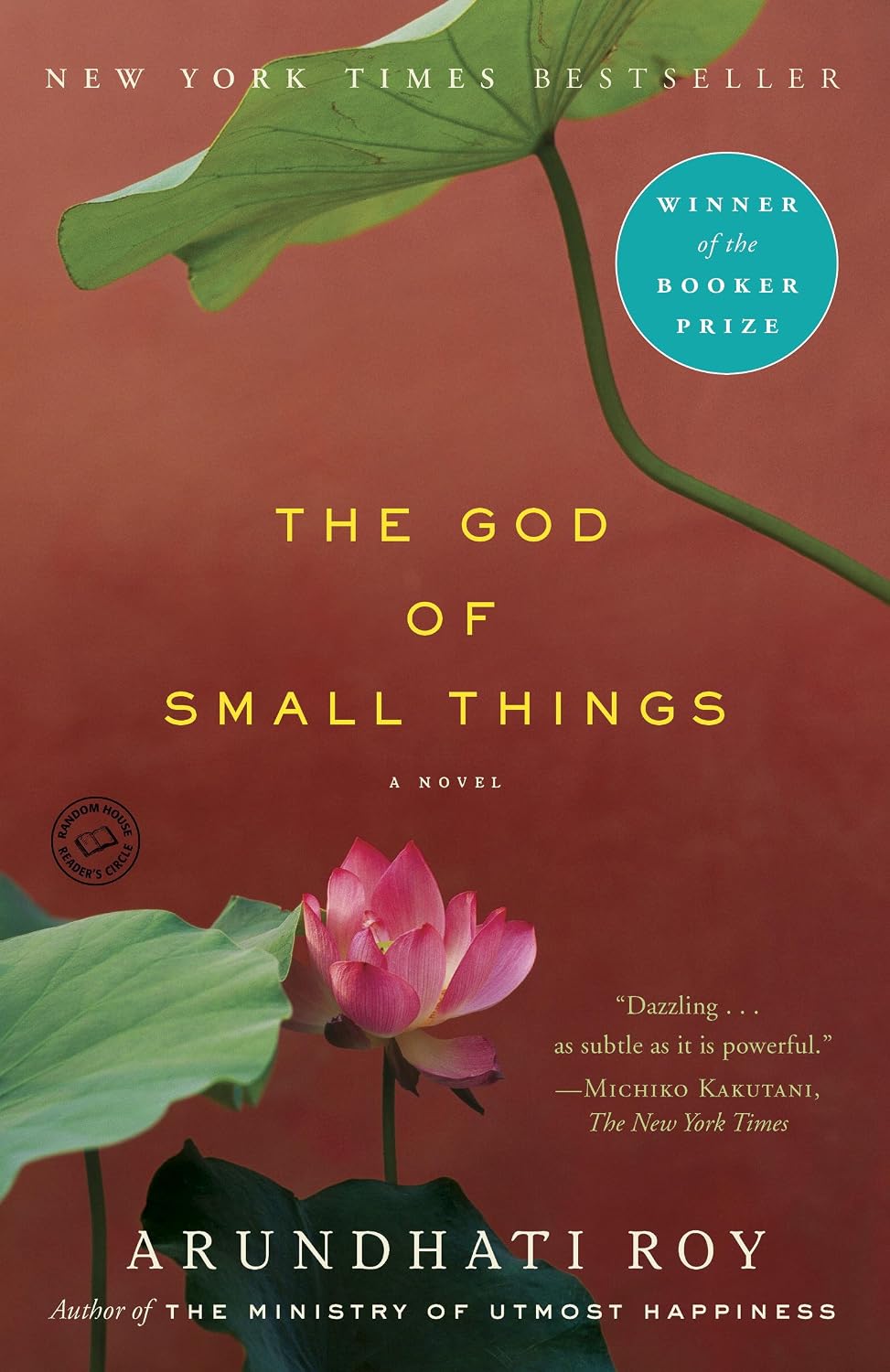
The God of Small Things
Set in Kerala, southern India, The God of Small Things tells the story of fraternal twins Estha and Rahel, whose childhood is shattered by a series of tragic events that permanently alter their family. Through a nonlinear narrative that moves between their childhood in 1969 and their reunion as adults, the novel explores the consequences of forbidden love, social prejudice, and deeply rooted cultural expectations. When their cousin Sophie Mol visits from England, an unexpected tragedy exposes the family’s hidden tensions and the cruelty of the social hierarchies governing their lives. At the centre of the story is Ammu, the twins’ mother, whose relationship with Velutha, a man from an oppressed caste, challenges the rigid boundaries of Indian society. Roy’s lyrical prose captures the beauty of childhood perception alongside the devastating effects of discrimination, silence, and loss. The novel examines how seemingly small moments can shape entire lives, revealing the profound consequences of breaking society’s unwritten rules.
1997