Books from India
Suggest a book
All genres
Historical Fiction
Literary Fiction
Fantasy
Romance
Horror
Thriller
Non-Fiction
Mystery
Memoir
Classics
History
Sci-Fi
Contemporary Fiction
Science Fiction
Fiction
Poetry
Essays
Family Saga
Magical Realism
Family Drama
Dark Academia
Psychological Fiction
Dark Comedy
Political Writing
Feminist Fiction
Satire
Campus Fiction
Cultural Studies
Biography
Philosophy
Comedy
Drama
Young Adult
Gothic
Dystopia
Crime
Children's Books
Short Stories
Mythology
Cozy
Retellings
Humour
Adventure
All themes
Love & Passion
Adventure & Journey
Identity & Belonging
War & Conflict
Freedom & Resistance
Family & Heritage
Nature & Landscape
Society & Class
Spirituality & Faith
Solitude & Exile
Coming of Age
Revolution & Change
Friendship
History
Immigration
Myths and Retellings
Colonialism
Women & Society
Mental Health
Motherhood
1

The Girl with Seven Lives
Twenty-five-year-old Devi has spent her life learning how to survive in a world that offers her few chances and even fewer protections. Growing up in the slums of Delhi, she has become a resourceful fighter, but her past has also earned her dangerous enemies. Now kidnapped and held at gunpoint, Devi faces a terrifying ordeal: her captor is auctioning her life online and demands that she confess to the crimes he believes she has committed. To stay alive, she must recount the extraordinary story of her seven lives, revealing secrets and unexpected truths as the night unfolds.
Moving across India, from Delhi and Punjab to Kerala, Goa, and Mumbai, the novel combines suspense, dark humour, and social observation. Through Devi’s shifting identities and remarkable resilience, Swarup explores survival, inequality, and a woman’s struggle to reclaim control over her own destiny.
2026
2
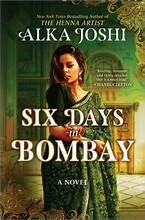
Six days in Bombay
Set in Bombay in 1937, Six Days in Bombay follows Sona, a young Indian woman whose encounter with an enigmatic French artist draws her into a world of art, ambition, and personal transformation. Against the vibrant backdrop of colonial-era India, Sona navigates the social expectations surrounding women while discovering new possibilities for her own future. Her experiences over six pivotal days challenge her understanding of herself, her relationships, and the boundaries that society has established for her. As the story unfolds, art becomes a means of exploring both individual expression and the tensions between tradition and change. Joshi combines historical atmosphere with an intimate portrait of a woman confronting the possibilities of a different life, examining how brief encounters and unexpected experiences can alter the course of a person’s identity and ambitions.
2025
3
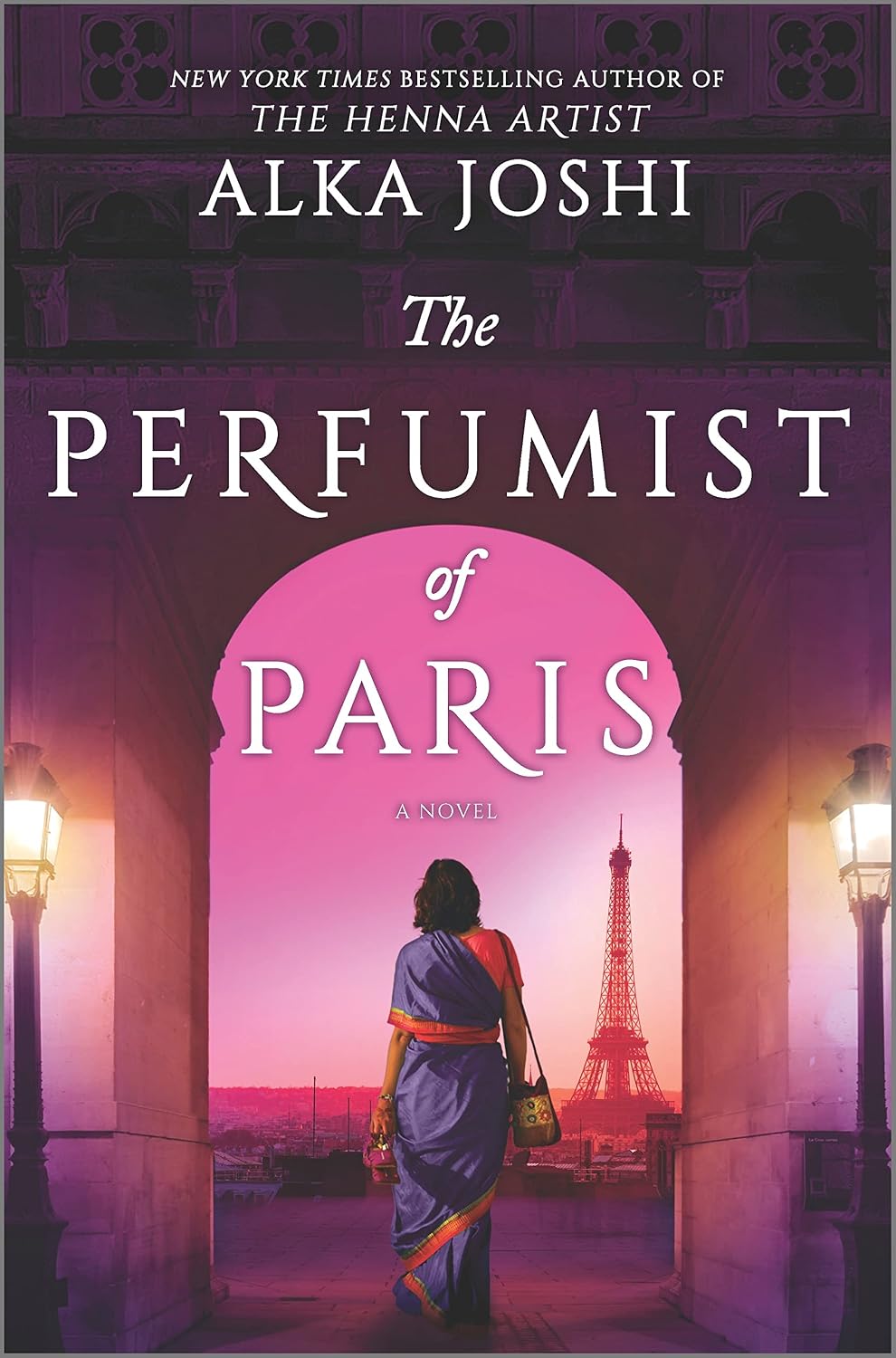
Perfumist of Paris
The Perfumist of Paris follows Radha, the younger sister introduced in The Henna Artist, as she builds a career in the world of perfumery in 1970s Paris. Having developed her talent for creating fragrances, Radha works to establish herself professionally while navigating marriage, motherhood, and the expectations placed upon her as an Indian woman living abroad. Her ambition to become an accomplished perfumer requires her to make difficult choices about the balance between her professional aspirations and her responsibilities to her family. As she encounters new opportunities and challenges, Radha must confront questions about independence, belonging, and the kind of future she wants to create. Joshi explores the relationship between creativity and self-expression, using the evocative world of perfume to examine memory, cultural heritage, and the complex process of developing an identity that embraces both personal ambition and family ties.
2023
4
Well-Behaved Indian Women
Well-Behaved Indian Women follows three generations of Indian women as they navigate the expectations of family, culture, and personal ambition. Simran Mehta, a young Indian American woman living in New York, dreams of becoming a writer, but her aspirations conflict with her family’s hopes that she will pursue a more conventional future. Her mother, Nandini, has spent much of her life meeting the expectations placed upon her as a wife and mother, while her grandmother, Bindu, carries memories of a different India and the sacrifices required of women in her generation. As their stories intersect, long-standing tensions emerge around marriage, independence, and what it means to be a good daughter. Dave explores the complexities of cultural identity and intergenerational relationships, showing how women can honour their heritage while questioning traditions that no longer reflect who they want to become.
2020
5
The Namesake
The Namesake follows the Ganguli family as they move from Calcutta to the United States in search of a new life. Their son, Gogol, grows up caught between his Bengali heritage and the American culture in which he was raised. Named after the Russian writer Nikolai Gogol for personal reasons connected to his father’s past, he comes to resent the unusual name that distinguishes him from his peers. As he grows older, Gogol struggles with romantic relationships, family expectations, and the challenge of defining himself independently of his parents’ experiences. Following the family’s journey across several decades, Lahiri explores migration, cultural adaptation, and the complicated relationship between parents and children. The novel examines how names, memories, and inherited traditions shape identity, revealing that belonging is rarely a simple choice between two cultures.
2019
6
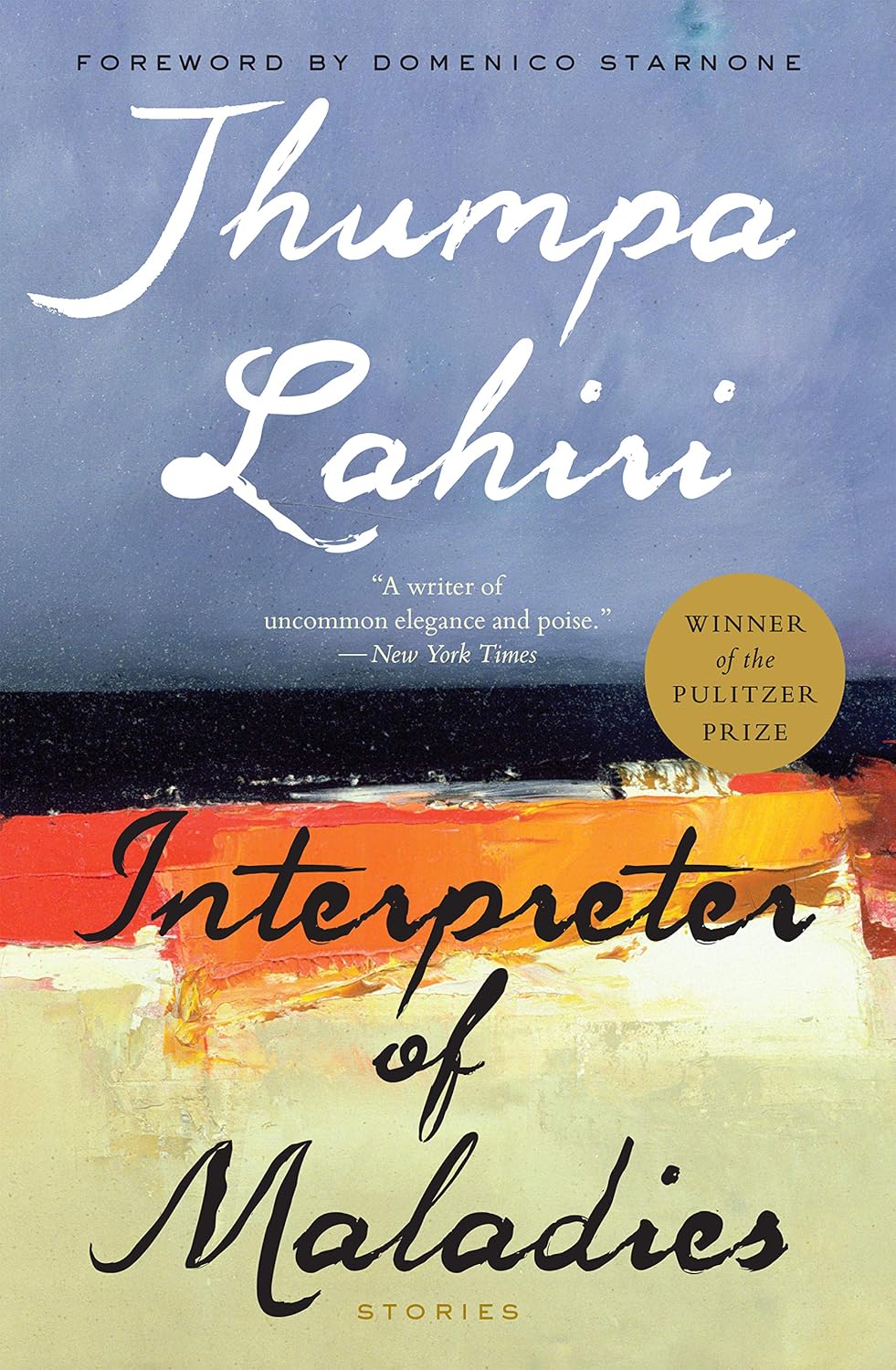
Interpreter of Maladies
Interpreter of Maladies is a collection of nine short stories exploring the lives of Indian and Indian American characters navigating love, cultural displacement, family obligations, and loneliness. In the title story, an Indian tour guide who works as an interpreter for a doctor becomes the confidant of an American woman of Indian origin, whose personal revelations challenge his understanding of intimacy and connection. Other stories portray arranged marriages, strained relationships between parents and children, and the emotional difficulties of living between cultures. Lahiri pays close attention to ordinary moments when misunderstandings, unspoken desires, and private disappointments reveal deeper struggles. Her characters often appear caught between the expectations of their heritage and the realities of their present lives. The collection explores belonging, communication, and the quiet emotional distances that can separate people who seem intimately connected.
2019
7
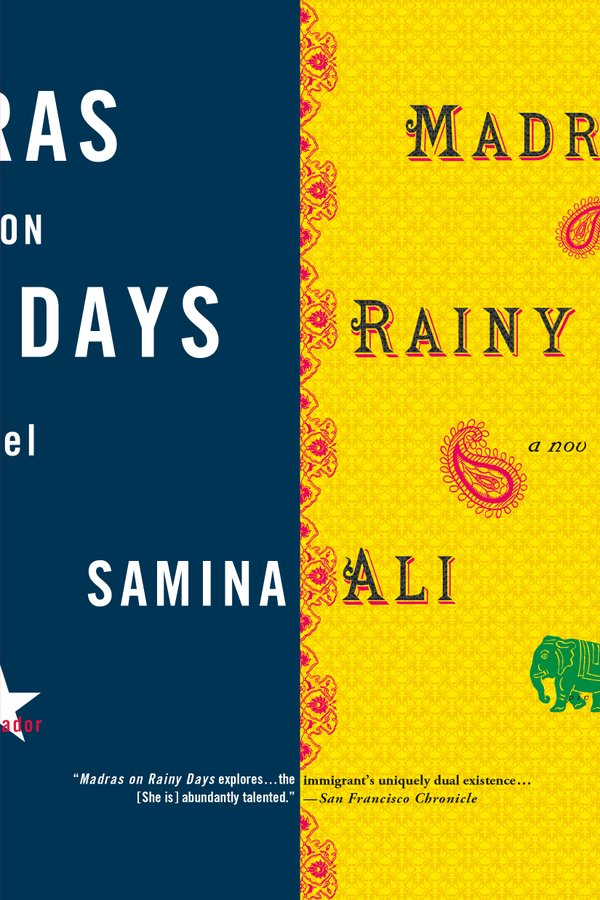
Madras on Rainy Days
At nineteen, Layla is caught between two worlds: the conservative Muslim upbringing her Indian immigrant parents have given her and the independence she has discovered growing up in America. When her parents arrange her marriage to Sameer, a man she barely knows, she reluctantly travels to Hyderabad, hoping to find a sense of belonging in the traditions she has spent years resisting. Amid elaborate wedding rituals, family expectations, and rising Hindu-Muslim tensions, Layla begins to question everything she thought she understood about love, faith, and womanhood. Madras on Rainy Days is a compelling exploration of female independence, cultural identity, and the secrets that lie beneath the surface of family life.
2005