Indonesia
Asia
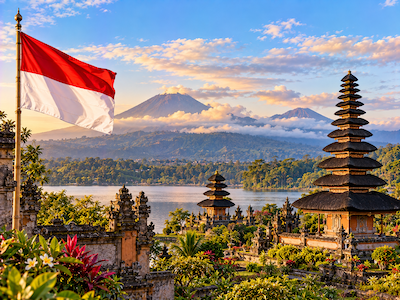


Indonesia is a vast archipelago of thousands of islands stretching between the Indian and Pacific Oceans. Its landscape ranges from volcanic mountains and tropical rainforests to rice terraces, coral reefs, beaches, and densely populated cities. The country is home to hundreds of ethnic groups and languages, with cultural traditions shaped by Indigenous Austronesian heritage as well as Hindu, Buddhist, Islamic, Chinese, and European influences. Java, Bali, Sumatra, Sulawesi, and the eastern islands each have distinctive cultural identities.
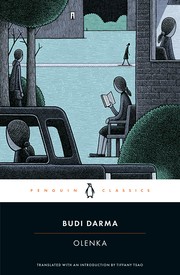
Indonesia has a rich tradition of oral storytelling, mythology, poetry, and performance, including Javanese and Balinese epics, legends, shadow-puppet theatre, and traditional forms such as pantun poetry. The Ramayana and Mahabharata have also been deeply adapted into Indonesian and local traditions, particularly through Javanese and Balinese performance cultures. Modern Indonesian literature developed strongly during the colonial and post-independence periods. Writers such as Pramoedya Ananta Toer, Chairil Anwar, Nh. Dini, and Ayu Utami have explored colonialism, nationalism, political repression, gender, identity, and social change. Contemporary Indonesian literature increasingly brings together voices from different islands and communities, addressing migration, religion, memory, environmental change, inequality, and the complexities of a diverse modern Indonesia.