Croatia
Europe
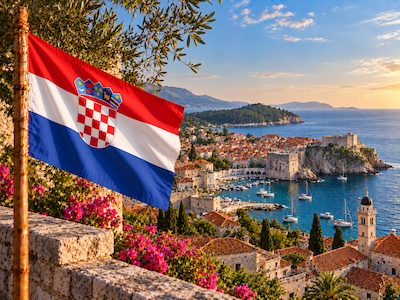

Croatia lies along the eastern Adriatic, where a rugged coastline, hundreds of islands, medieval towns, and mountainous inland regions create a landscape shaped by both Central European and Mediterranean influences. Its cultural identity reflects centuries of Venetian, Austro-Hungarian, Slavic, and Mediterranean heritage, visible in its architecture, traditions, music, and cuisine.
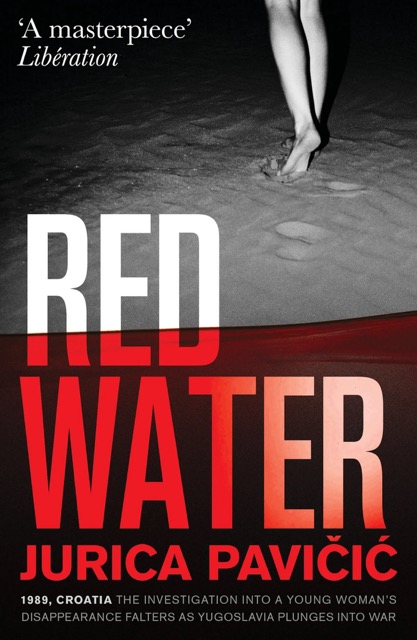
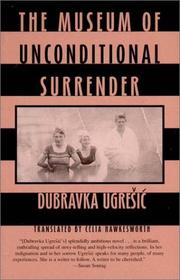
Croatian literature has roots in medieval religious writing, Renaissance poetry, and the rich literary traditions of the Adriatic cities. The Renaissance poet Marko Marulić, often regarded as the father of Croatian literature, wrote in Croatian and Latin and helped establish the country’s literary tradition in the 15th and 16th centuries. Modern Croatian literature developed through periods of national awakening, Austro-Hungarian rule, Yugoslavia, and the country’s independence. Writers such as Miroslav Krleža, one of the most important Croatian literary figures of the 20th century, explored class, politics, war, and Central European identity. Other significant voices include Dubravka Ugrešić, whose works examine exile, nationalism, memory, and the experience of displacement, and Slavenka Drakulić, known for writing about gender, politics, war, and life in post-socialist Europe. Croatian literature frequently explores identity, history, belonging, memory, and the tension between individual experience and political change.