Guinea-Bissau
Africa
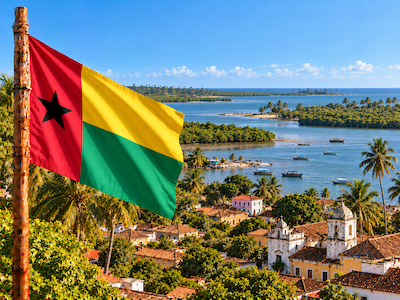
Guinea-Bissau is a small West African country known for its tropical coastline, mangrove forests, and the Bijagós Islands. Its capital, Bissau, blends Portuguese colonial architecture with lively markets and waterfront neighborhoods. Portuguese is the official language, while Guinea-Bissau Creole and numerous African languages are widely spoken. The country’s cultural identity reflects a rich mix of ethnic traditions, music, storytelling, and coastal life.
Guinea-Bissau’s literature explores colonialism, independence, cultural identity, and the relationship between African traditions and Portuguese influence. Oral storytelling and poetry remain important, while modern writers often reflect on the country’s struggle for independence and its changing society. Notable figures include Amílcar Cabral, whose political writings shaped the independence movement, and Abdulai Silá, a novelist known for examining power, social change, and postcolonial life.