Ghana
Africa
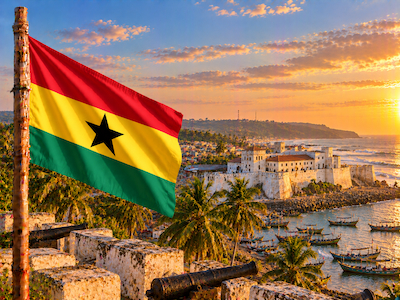

Ghana is a West African country on the Gulf of Guinea, known for its tropical coastline, forests, savannas, and the Volta River and Lake. Its capital, Accra, is a major cultural and creative center, while historic coastal towns such as Cape Coast and Elmina preserve important traces of Ghana’s complex past. Ghana is home to many cultural and linguistic communities, including Akan, Ewe, Ga-Dangme, Dagomba, and others, with rich traditions of music, storytelling, craft, and oral history.
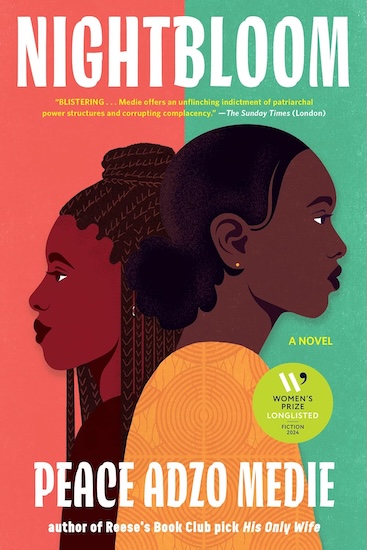
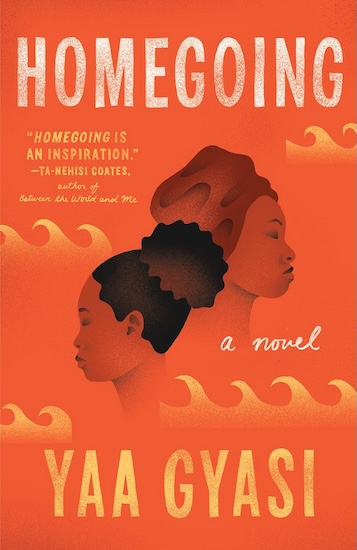
Ghana has a strong literary tradition rooted in oral storytelling, proverbs, folklore, praise poetry, and traditional performance. Akan storytelling, including tales featuring the trickster figure Ananse, has had a particularly lasting influence on Ghanaian and wider African literature. Modern Ghanaian literature developed during the colonial and postcolonial periods, with writers such as Ayi Kwei Armah, whose The Beautyful Ones Are Not Yet Born examines corruption and disillusionment after independence, and Ama Ata Aidoo, whose works explore gender, colonialism, tradition, and the changing position of African women. Kofi Awoonor drew on Ewe oral traditions while writing about memory, identity, and cultural change. Contemporary Ghanaian literature continues to explore colonial history, migration, diaspora, race, gender, family, identity, and the relationship between African traditions and modern life. Writers such as Yaa Gyasi have also brought Ghanaian history and the experience of the African diaspora to a global readership.