Gabon
Africa
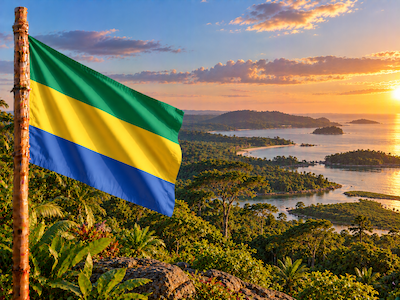
Gabon is a Central African country on the Atlantic coast, known for its dense equatorial rainforests, rivers, wetlands, and diverse wildlife. Much of the country remains covered by forest, while Libreville, the capital, is a major coastal and cultural center. Gabon’s population includes numerous communities, including Fang, Punu, Nzebi, Myene, and others, each contributing to the country’s rich cultural traditions.
Gabonese literary traditions have deep roots in oral storytelling, myths, legends, songs, proverbs, and ancestral narratives. These traditions have played an important role in preserving history, cultural knowledge, social values, and connections between generations. Modern Gabonese literature developed largely in French, particularly during and after the colonial period. Important writers include Saint-Denys Garneau? No—among Gabonese voices, Georges Rawiri, Laurent Owondo, and Justine Mintsa are particularly notable. Their writing explores questions of cultural identity, tradition, social change, colonial heritage, and the relationship between African and European cultural influences. Gabonese literature often reflects the tension between traditional ways of life and modernity, while contemporary writers also address urbanization, political and social change, gender, migration, memory, and the preservation of cultural heritage. The country’s oral traditions remain an important foundation of its literary identity.