France
Europe
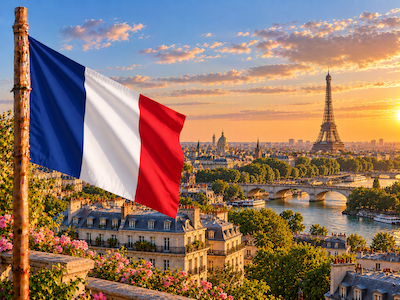


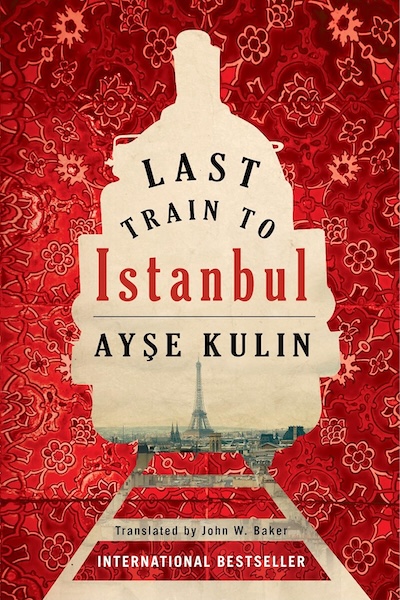

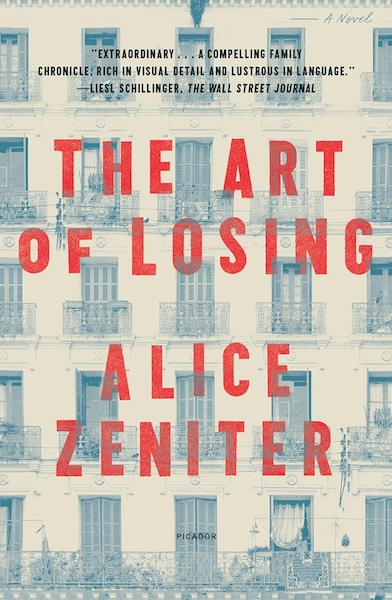
France is a Western European country with a remarkably varied landscape, from the Atlantic and Mediterranean coasts to the Alps, Pyrenees, forests, vineyards, and fertile plains. Paris has long been one of Europe’s major cultural centers, while cities such as Lyon, Marseille, Bordeaux, Strasbourg, and Toulouse reflect the country’s diverse regional histories. French culture has been shaped by Celtic, Roman, Germanic, Mediterranean, and later global influences.
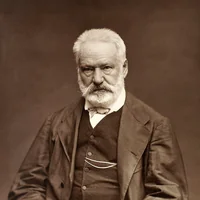
France has one of the world’s most influential literary traditions, developing from medieval epic poetry, courtly romance, religious writing, and chronicles. The Renaissance brought figures such as François Rabelais and Michel de Montaigne, while the 17th century produced major dramatists including Molière, Racine, and Corneille. The Enlightenment further established France as a center of intellectual and philosophical writing through Voltaire, Rousseau, and Diderot. The 19th century saw the rise of Romanticism, Realism, and Naturalism, with writers such as Victor Hugo, Honoré de Balzac, Gustave Flaubert, Émile Zola, and George Sand. In the 20th century, French literature became strongly associated with modernism and existentialism, represented by Marcel Proust, André Gide, Albert Camus, Jean-Paul Sartre, Simone de Beauvoir, and others. French literature has also been profoundly shaped by the country’s colonial history and its connections with the wider Francophone world. Writers from Africa, the Caribbean, the Maghreb, and Southeast Asia have expanded French-language literature through themes of identity, colonialism, migration, race, language, memory, and cultural belonging.