Books from France
Suggest a book
All genres
Historical Fiction
Literary Fiction
Fantasy
Romance
Horror
Thriller
Non-Fiction
Mystery
Memoir
Classics
History
Sci-Fi
Contemporary Fiction
Science Fiction
Fiction
Poetry
Essays
Family Saga
Magical Realism
Family Drama
Dark Academia
Psychological Fiction
Dark Comedy
Political Writing
Feminist Fiction
Satire
Campus Fiction
Cultural Studies
Biography
Philosophy
Comedy
Drama
Young Adult
Gothic
Dystopia
Crime
Children's Books
Short Stories
Mythology
Cozy
Retellings
Humour
Adventure
All themes
Love & Passion
Adventure & Journey
Identity & Belonging
War & Conflict
Freedom & Resistance
Family & Heritage
Nature & Landscape
Society & Class
Spirituality & Faith
Solitude & Exile
Coming of Age
Revolution & Change
Friendship
History
Immigration
Myths and Retellings
Colonialism
Women & Society
Mental Health
Motherhood
1
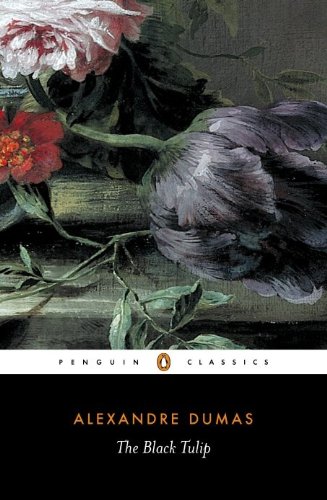
The Black Tulip
Set in the Netherlands in 1672, The Black Tulip follows Cornelius van Baerle, a passionate and wealthy tulip grower whose greatest ambition is to cultivate the first completely black tulip. His peaceful life is shattered when political intrigue leads to his imprisonment, after he is falsely accused of conspiring against the powerful brothers Cornelis and Johan de Witt. Behind bars, Cornelius continues his botanical pursuit with the help of Rosa, the jailer’s daughter, who becomes his devoted ally and eventually his beloved. As jealousy, betrayal, and greed threaten his dream, Cornelius must fight to protect both his flower and his freedom. Blending historical adventure, romance, and political drama, Dumas explores the destructive power of envy alongside the redemptive strength of loyalty and compassion. The black tulip becomes a symbol of perseverance and the pursuit of an extraordinary goal in a world shaped by ambition and injustice.
1850
2

The Lover
The Lover is an autobiographical novel set in French colonial Indochina in the late 1920s. It follows a fifteen-year-old French girl from a financially struggling family who begins a relationship with a wealthy Chinese man several years older than her. Their encounter takes place against a backdrop of racial divisions, colonial hierarchies, and social conventions that shape their lives and determine how their relationship is perceived.
Through fragmented memories and lyrical, introspective prose, Marguerite Duras explores desire, shame, power, and the complicated dynamics of intimacy. The narrator’s relationship with her lover becomes entangled with her difficult family life, particularly her strained relationship with her mother and brothers. As she reflects on the experience from adulthood, memory transforms the story into an examination of how love and sexuality shape identity. Both intimate and unsentimental, the novel reveals the inequalities embedded in colonial society while questioning the boundaries between personal history, desire, and the stories people tell about their past.
1984
3

Simple Passion
Simple Passion is a concise, intensely personal account of a woman’s consuming affair with a married man. The narrator, an educated French woman, describes how her relationship gradually takes over her existence, shaping her thoughts, routines, and sense of time. Waiting for her lover’s phone calls and anticipating their meetings become the organising principles of her life, while ordinary activities lose their significance in comparison with the possibility of seeing him again.
Drawing on her own experiences, Annie Ernaux examines desire with remarkable honesty and emotional precision, refusing to romanticise or condemn the narrator’s obsession. She explores the vulnerability of surrendering oneself to another person, as well as the ways passion can disrupt independence and alter one’s perception of reality. Blending autobiography with detached observation, the book challenges conventional ideas about female desire, dignity, and romantic love. Its direct, unembellished prose transforms a deeply private experience into a broader reflection on the power of longing and the consuming nature of passion.
1991