Books from France
Suggest a book
All genres
Historical Fiction
Literary Fiction
Fantasy
Romance
Horror
Thriller
Non-Fiction
Mystery
Memoir
Classics
History
Sci-Fi
Contemporary Fiction
Science Fiction
Fiction
Poetry
Essays
Family Saga
Magical Realism
Family Drama
Dark Academia
Psychological Fiction
Dark Comedy
Political Writing
Feminist Fiction
Satire
Campus Fiction
Cultural Studies
Biography
Philosophy
Comedy
Drama
Young Adult
Gothic
Dystopia
Crime
Children's Books
Short Stories
Mythology
Cozy
Retellings
Humour
Adventure
All themes
Love & Passion
Adventure & Journey
Identity & Belonging
War & Conflict
Freedom & Resistance
Family & Heritage
Nature & Landscape
Society & Class
Spirituality & Faith
Solitude & Exile
Coming of Age
Revolution & Change
Friendship
History
Immigration
Myths and Retellings
Colonialism
Women & Society
Mental Health
Motherhood
1
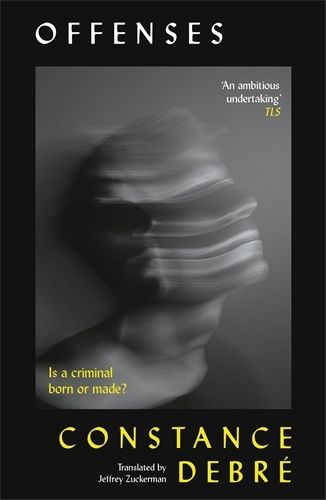
Offenses
Based on a real murder case, Offenses examines the relationship between crime, poverty, and justice in contemporary France. In a housing estate outside Paris, a nineteen-year-old man stabs his elderly neighbour ten times to settle a €450 drug debt. The crime appears senseless in its brutality, but Constance Debré looks beyond the immediate act to examine the social conditions surrounding both the perpetrator and his victim.
Drawing on her experience as a criminal defence lawyer, Debré explores the boundaries between individual responsibility and collective failure. The young man’s circumstances, the victim’s vulnerability, and the environment in which they live become part of a wider portrait of a society divided by class and opportunity. Written in Debré’s characteristic spare, unsentimental prose, the novella questions whether justice can truly be separated from the inequalities that shape people’s lives. Rather than offering easy explanations or moral resolutions, it confronts readers with uncomfortable questions about guilt, punishment, and the possibility of escaping the circumstances into which one is born.
2026
2
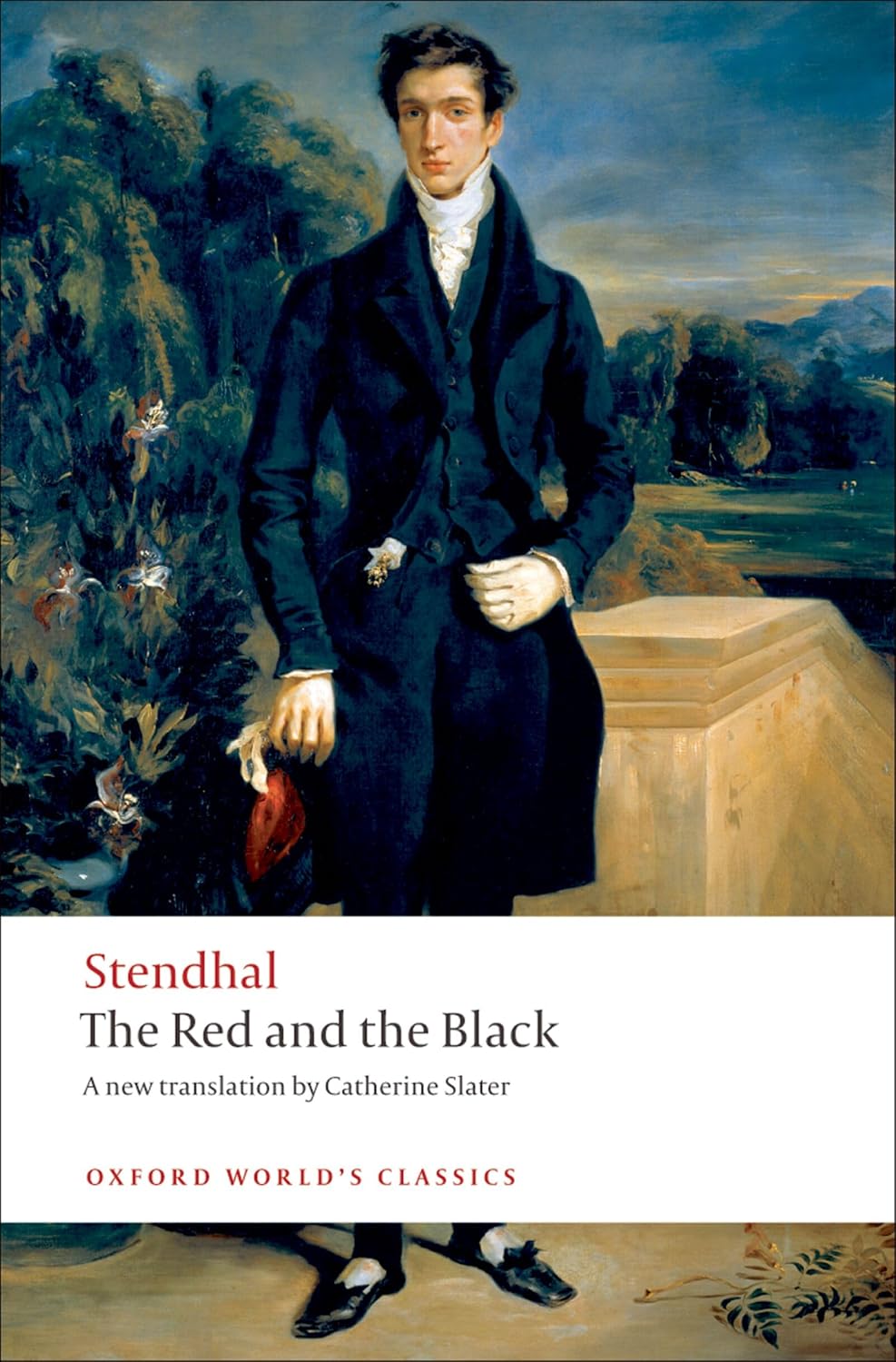
The Red and the Black
The Red and the Black follows Julien Sorel, an ambitious young man from a poor provincial family who dreams of rising through French society. Intelligent and determined, Julien sees the Church and the military as possible routes to power, studying religious doctrine while secretly admiring the military glory associated with Napoleon. His relationships with Madame de Rênal, the wife of his employer, and Mathilde de La Mole, the daughter of an aristocrat, become entangled with his social ambitions. As Julien moves between different social environments, he struggles to reconcile genuine feelings with his desire for status and recognition. Stendhal uses his story to examine class divisions, hypocrisy, and the limitations imposed by nineteenth-century French society. The novel portrays a talented individual attempting to overcome the circumstances of his birth, revealing how ambition can both challenge and reproduce the inequalities of the world he hopes to conquer.
2009
3
The Plague
The Plague takes place in the Algerian city of Oran, where an outbreak of bubonic plague gradually isolates the population from the outside world. Dr Bernard Rieux and other residents struggle to respond to the epidemic as deaths increase and everyday life becomes dominated by fear, separation, and uncertainty. As the city is placed under quarantine, its inhabitants react in different ways: some retreat into denial, others seek personal comfort, and many discover unexpected courage through acts of solidarity. Camus uses the epidemic to examine the human response to suffering and the moral responsibilities people have towards one another. Written in the aftermath of the Second World War, the novel is also widely read as an allegory of fascism and resistance. It explores collective responsibility, resilience, and the importance of fighting injustice even when victory remains uncertain.
1947
4
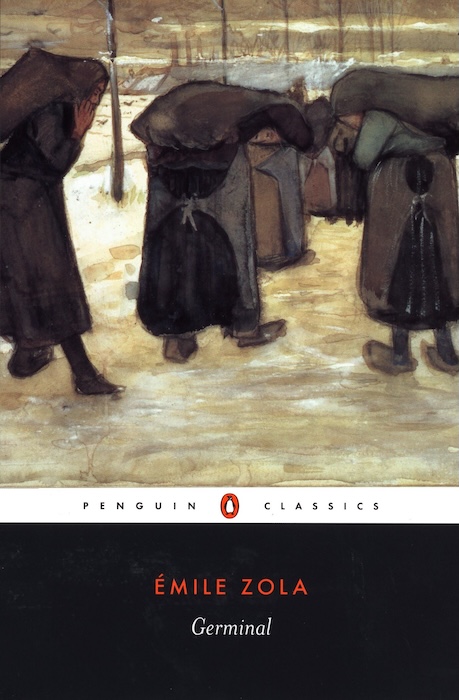
Germinal
Germinal follows Étienne Lantier, an unemployed railway worker who finds work in a coal mine in northern France. There he witnesses the brutal conditions endured by miners, whose dangerous labour and inadequate wages leave their families trapped in poverty. As tensions between workers and mine owners intensify, Étienne becomes involved in efforts to organise a strike demanding better pay and working conditions. Initially united by hope and solidarity, the miners face hunger, repression, and growing divisions as the conflict continues. Zola portrays the physical dangers of industrial labour alongside the social structures that perpetuate inequality. Through vivid descriptions of the mining community, he examines class struggle, exploitation, and collective resistance. The novel’s title evokes the beginning of new growth, suggesting that although the strike suffers a devastating defeat, the desire for social transformation may continue to develop beneath the surface.
1885