Finland

Europe
Finland
3
books
2
authors

Books from Finland

1
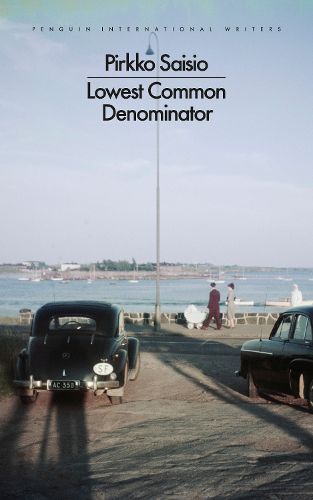
Lowest Common Denominator
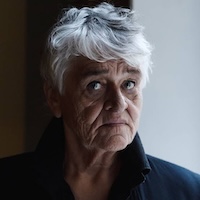
Following her father’s death, a middle-aged writer named Pirkko revisits her childhood in 1950s Finland, piecing together memories of family life, political convictions and the first stirrings of her identity. Growing up as the only child of communist parents in Helsinki, young Pirkko struggles to understand the expectations placed upon her. Her mother is lively and theatrical, while her father is emotionally distant and committed to his political ideals. During summers spent with her grandparents in the countryside, Pirkko discovers a world of freedom, imagination and unexpected revelations. Convinced that she will grow up to be a boy, she grapples with the distance between her inner sense of self and the roles others expect her to inhabit. Told through fragmented memories, fever dreams and moments of startling humour, the novel blurs the boundaries between autobiography and fiction. Ultimately, Pirkko discovers that language and storytelling can offer a refuge, allowing her to express an identity that the world around her struggles to recognise.
2024
2
Backlight
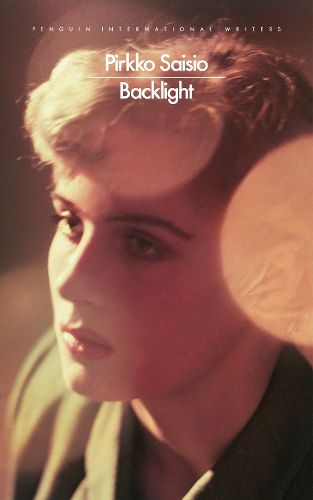
Backlight
Set in 1960s Finland, Backlight follows a teenage girl named Pirkko as she navigates the frustrations of adolescence, the tensions of family life, and the gradual discovery of her own identity. She struggles with her relationship with God, her communist father, and the physical changes of growing up. At home, her overworked mother attempts to maintain peace, while her grandfather occupies the room Pirkko had long been promised. Books become an escape, and her rebellious spirit leads her into frequent trouble. When a Finnish teacher recognizes her potential as a writer, Pirkko begins to imagine a future shaped by words and imagination. The story shifts to the summer of 1968, when Pirkko travels to Switzerland to work at an orphanage. Away from Finland, she experiences homesickness, cultural isolation, and the difficulty of understanding her own sexuality. Against the backdrop of a Europe undergoing political and social transformation, she begins to make sense of the person she is becoming. The second volume in Saisio’s autobiographical Helsinki trilogy, this intimate, witty novel explores family, sexuality, artistic ambition, and the complicated process of growing into oneself.
2025
3
The Summer Book
The Summer Book
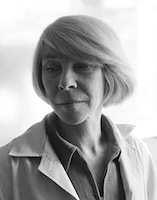
The Summer Book follows Sophia, a young girl, and her grandmother as they spend the summer together on a tiny island in the Gulf of Finland. Living in a simple cottage surrounded by rocks, forests, and the sea, they fill their days with conversations, explorations, small adventures, and moments of quiet reflection. Sophia is curious and sometimes stubborn, while her grandmother is wise, playful, and increasingly aware of her own mortality. Their relationship unfolds through a series of loosely connected episodes that capture the rhythms of island life. Through their exchanges, Tove Jansson explores childhood, ageing, grief, freedom, and humanity’s relationship with the natural world. The island becomes a place where ordinary experiences reveal deeper truths about life, while the changing sea and weather mirror the characters’ shifting emotions. Gentle, humorous, and contemplative, the novel celebrates the beauty of everyday moments and the bonds that connect generations. Beneath its simplicity lies a profound meditation on impermanence, solitude, and the comfort of being close to nature.
1972

Famous authors from Finland

About Finland

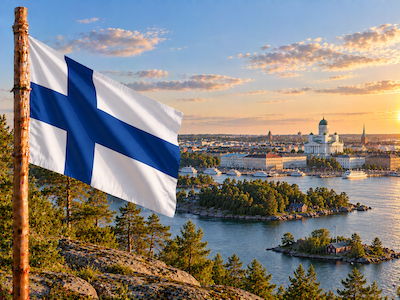
Finland is a Northern European country known for its vast forests, thousands of lakes, Arctic landscapes, and long Baltic coastline. Helsinki is the country’s cultural and literary center, while Finnish identity has been strongly shaped by its relationship with nature, the seasons, and the Finnish language. Finnish culture also includes the traditions of the Swedish-speaking population and the Sámi peoples of northern Finland.

Region
Europe
Literary Context

Finnish literature has deep roots in oral poetry, mythology, songs, and storytelling. These traditions were brought together in the 19th century by Elias Lönnrot, whose Kalevala became Finland’s national epic and an important foundation for Finnish cultural identity. The epic draws on older oral traditions, particularly those preserved in Karelia. Modern Finnish literature developed alongside the country’s national awakening. Important writers include Aleksis Kivi, whose Seven Brothers is considered a foundational Finnish novel, Minna Canth, known for her socially engaged writing about women and inequality, and Frans Eemil Sillanpää, Finland’s first Nobel Prize–winning author. Later writers such as Mika Waltari, Tove Jansson, and Sofi Oksanen have brought Finnish literature to international audiences. Finnish writing frequently explores nature, solitude, identity, social change, war, memory, family, and the tension between individual freedom and community, while contemporary literature increasingly reflects Finland’s multicultural and multilingual society.
Europe