Ecuador
South America
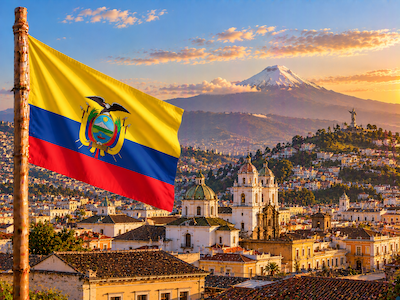
Ecuador sits on the equator along South America’s Pacific coast, bringing together remarkably diverse landscapes within a relatively small country. The Andes run through its center, with snow-capped volcanoes and highland valleys, while the Amazon rainforest stretches eastward and the Galápagos Islands lie offshore. Its culture reflects Indigenous, Spanish, African, and mestizo traditions, with distinctive regional identities across the highlands, coast, Amazon, and islands.
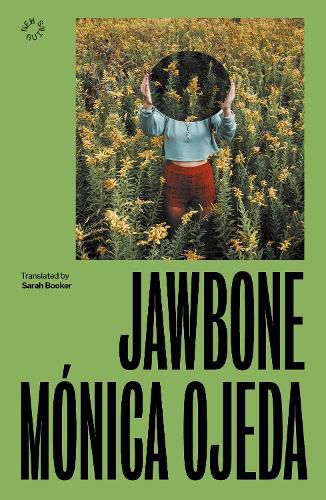
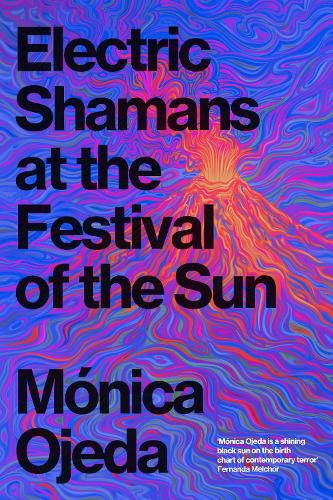
Ecuadorian literature has strong roots in Indigenous oral traditions, colonial writing, and the country’s long struggle to define its social and national identity. One of its earliest major literary figures was Eugenio Espejo, an 18th-century intellectual whose essays and journalism challenged colonial society and influenced Ecuador’s independence movement. In the 20th century, Ecuador became particularly known for its tradition of social and Indigenous-focused literature. Jorge Icaza explored exploitation and racism toward Indigenous communities in his landmark novel Huasipungo, while Demetrio Aguilera Malta and Enrique Gil Gilbert were associated with the socially engaged Grupo de Guayaquil. Later writers such as Adalberto Ortiz, Alicia Yánez Cossío, and Mónica Ojeda expanded Ecuadorian literature through explorations of race, gender, violence, memory, and contemporary identity. Modern Ecuadorian writing frequently moves between Indigenous heritage, colonial history, social inequality, migration, and the changing realities of urban and rural life.