Dominica
North America
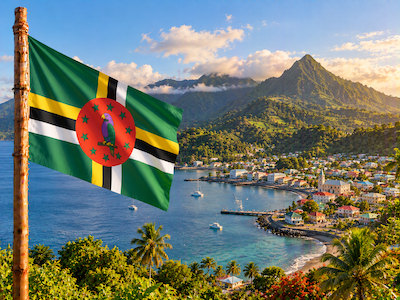
Dominica is a lush Caribbean island known as the “Nature Island”, celebrated for its dense rainforests, volcanic mountains, waterfalls, hot springs, and rugged coastline. Unlike many Caribbean destinations, its landscape is dominated by mountainous wilderness, while villages and coastal communities reflect a blend of African, European, Indigenous Kalinago, and wider Caribbean traditions.
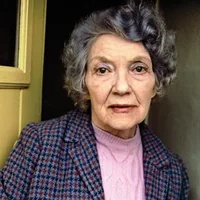
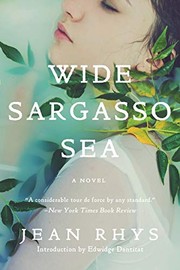
Dominica’s literary culture is deeply connected to oral storytelling, folklore, Creole traditions, and the island’s complex colonial history. Stories, songs, proverbs, and ancestral traditions have long been important ways of preserving cultural memory, while modern writers have used literature to explore questions of identity, migration, language, and belonging. The island’s most internationally recognized writer is Jean Rhys, born Ella Gwendolen Rees Williams in Roseau. Her best-known novel, Wide Sargasso Sea, reimagines the story of Bertha Mason from Jane Eyre and examines colonialism, race, gender, displacement, and fractured identity in the Caribbean. Other Dominican writers, including Phyllis Shand Allfrey, have explored colonial society, class, race, and island life. Contemporary Dominican literature continues to engage with migration, Caribbean identity, colonial memory, environmental heritage, and the relationship between local culture and the wider Caribbean world.