Djibouti

Africa
Djibouti
3
books
1
author

Books from Djibouti

1
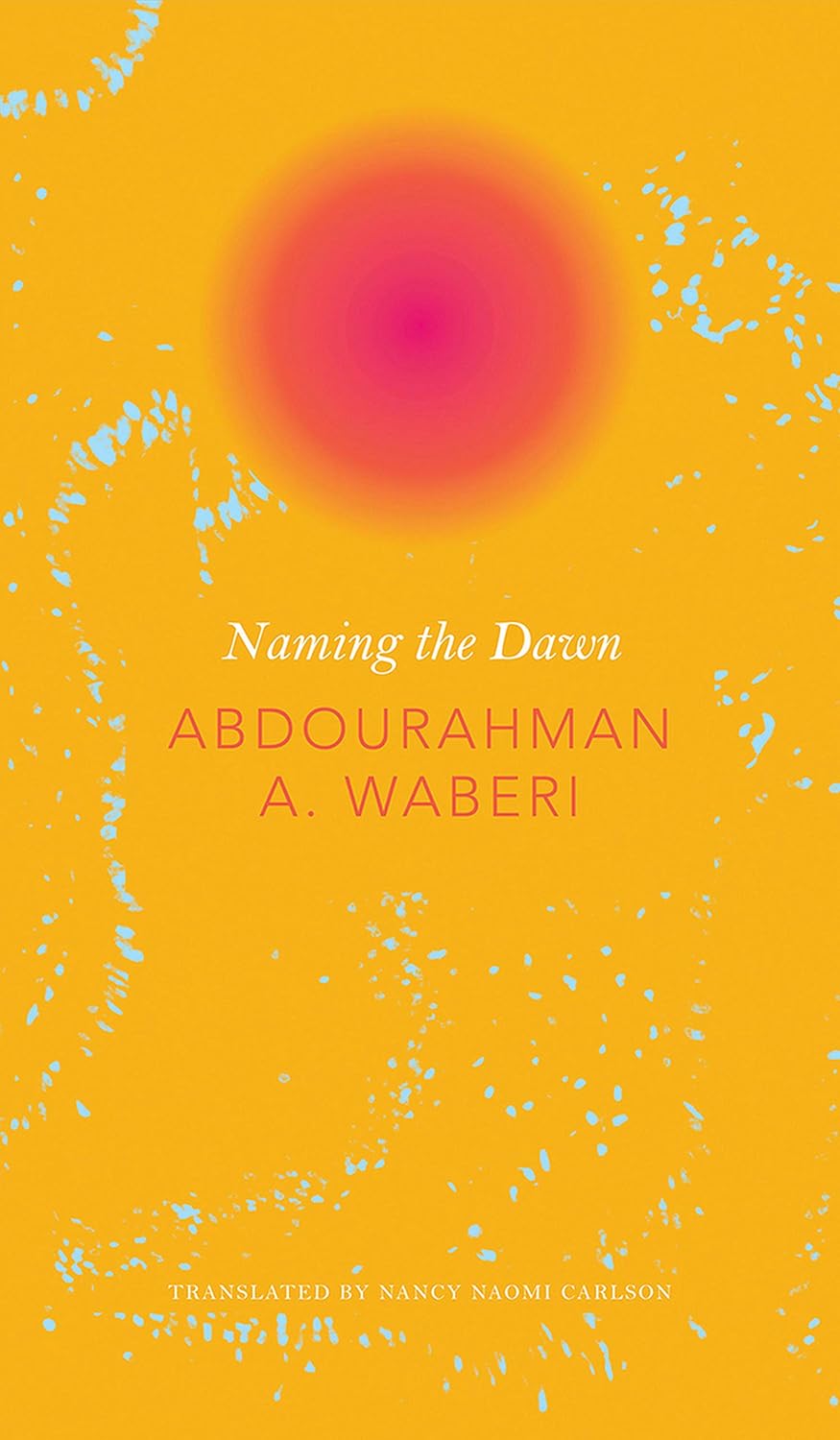
Naming the Dawn
Naming the Dawn
In Naming the Dawn, Djiboutian writer Abdourahman A. Waberi turns inward, offering a contemplative collection of poetry that explores faith, memory, language, and the search for spiritual understanding. Moving between intimate personal reflections and broader cultural and historical questions, the poems examine how individual lives are shaped by inherited traditions, sacred texts, and the landscapes in which we grow up. Islam and its poetic heritage occupy a central place in the collection. Waberi engages with the Quran, the history of Muslim thought, and the work of great poets, considering how religious traditions can nurture both personal reflection and openness to others. Alongside these spiritual explorations, he writes about his mother, his wife, and his unborn child, weaving family relationships into a wider meditation on time, mortality, and belonging. Rooted in the landscapes and cultural history of the Horn of Africa, the collection brings together the personal and the universal. Through lyrical, introspective language, Waberi seeks to preserve fleeting moments and reconcile the different histories that make up an individual identity. Naming the Dawn ultimately becomes an invitation to approach faith with curiosity, embrace cultural complexity, and discover the extraordinary significance hidden within everyday life.
2018
2
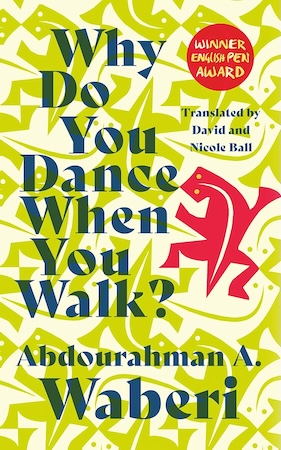
Why Do You Dance When You Walk
One morning in Paris, eight-year-old Béa asks her father, Aden, a deceptively simple question: “Papa, why do you dance when you walk?” Her curiosity about his unusual gait prompts him to revisit the childhood experiences that shaped his life, taking readers from contemporary France to Djibouti during the years leading up to independence. Growing up in a poor neighbourhood marked by dust, heat, and hardship, Aden was a bright but physically vulnerable child. After contracting polio at the age of seven, he was left with a weakened leg that made him stand out among his peers. His childhood becomes a story of illness, loneliness, and resilience, shaped by his complicated relationship with his mother, his beloved grandmother, and the colourful characters who inhabit his neighbourhood. Through Aden’s memories, Waberi evokes a world on the threshold of political independence while exploring the intimate realities of growing up in a society shaped by colonialism. The novel is also a meditation on parenthood: as Aden answers his daughter’s questions, he reflects on how the wounds of childhood influence the stories we tell our own children. Poetic and deeply personal, this short novel explores disability, family, memory, and the transformative power of storytelling. It asks how we learn to live with our scars—and how even the most difficult experiences can become part of the dance of being alive.
2019
3
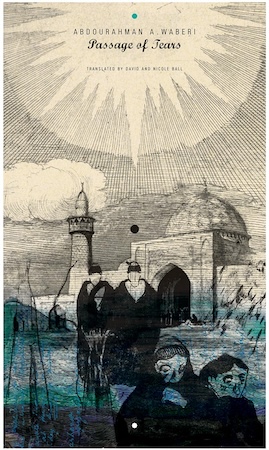
Passage of Tears
Passage of Tears
Set in Djibouti in the years following the September 11 attacks, Passage of Tears follows Djibril, a Djiboutian man who has spent years in voluntary exile in Montreal. When he returns to his homeland on assignment for an American economic intelligence company, he finds a country transformed into a strategic battleground where foreign powers, economic interests, and competing political and religious ideologies collide. As Djibril investigates the country’s security and political situation, his return awakens painful memories of childhood, family, and his estranged twin brother, Djamal, a religious extremist imprisoned on an island near the coast. Meanwhile, mysterious letters from a prisoner introduce another narrative, one that unexpectedly turns towards the life and ideas of German philosopher Walter Benjamin. Blending political thriller, philosophical reflection, family drama, and social satire, Waberi examines the consequences of globalisation, religious extremism, and foreign intervention in the Horn of Africa. The strategically important Bab-el-Mandeb Strait—the maritime passage connecting the Red Sea with the Gulf of Aden—becomes a powerful symbol of the tensions between local histories and global ambitions. Ultimately, the novel explores exile, fractured identities, and the difficult relationship between a person and the homeland they have left behind.
2009

Famous authors from Djibouti

About Djibouti

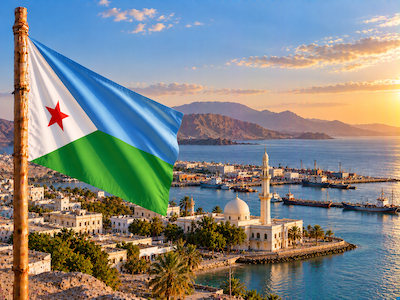
Djibouti is a small country at the meeting point of the Red Sea and the Gulf of Aden, where Africa, Arabia, and the Indian Ocean world intersect. Its dramatic landscape is dominated by volcanic mountains, arid plains, salt lakes, rugged coastlines, and turquoise waters. The capital, Djibouti City, reflects the country’s strategic position through its busy port and a blend of African, Arab, French, and Somali cultural influences.

Region
Africa
Literary Context

Djibouti’s literary tradition is strongly rooted in oral culture, particularly Somali and Afar storytelling, poetry, songs, proverbs, and epic traditions. Poetry has historically been an important way of preserving history, expressing identity, and transmitting knowledge within communities. Modern written literature developed largely in French alongside these oral traditions. Among Djibouti’s notable literary voices is Abdourahman A. Waberi, whose novels and essays explore exile, colonial history, identity, migration, and the complexities of belonging between Africa and Europe. His Land Without Shadows portrays Djibouti through fragmented memories and multiple perspectives. Contemporary Djiboutian literature frequently engages with colonialism, displacement, cultural identity, language, memory, and life between different worlds.

Africa