Germany
Europe
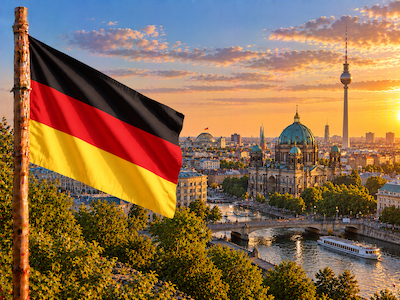
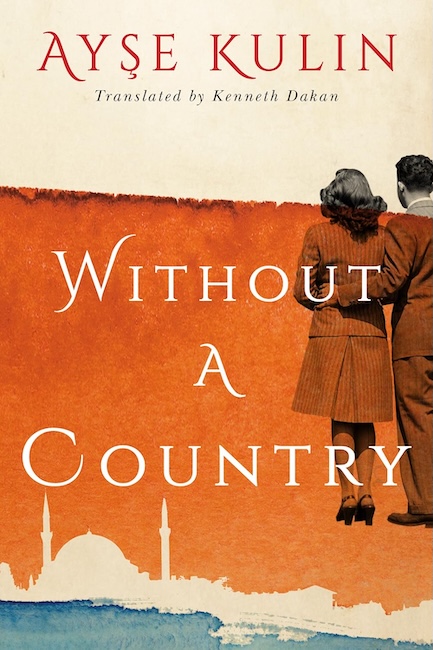
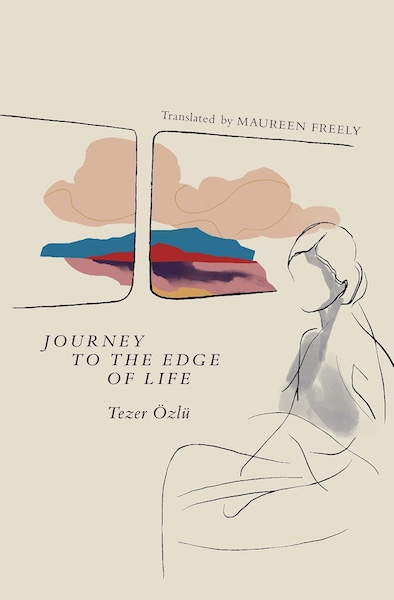
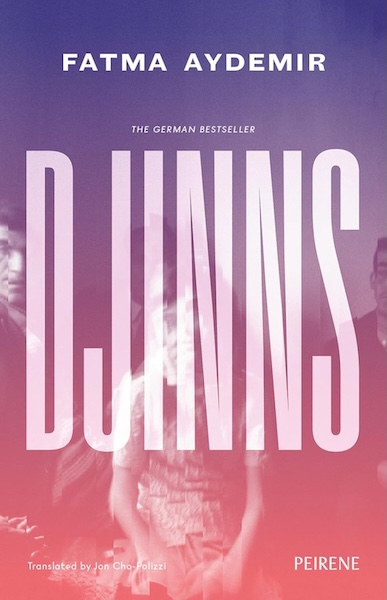
Germany is a Central European nation whose history — from the Holy Roman Empire through two world wars to reunification — has produced some of the world's most profound philosophical and literary traditions.
Germany has one of Europe’s most influential literary traditions, with roots in medieval religious writing, epic poetry, folklore, and the Germanic oral tradition. The 18th century brought the Enlightenment and the Weimar Classicism of Johann Wolfgang von Goethe and Friedrich Schiller. The Romantic period that followed drew heavily on folklore, mythology, nature, and the imagination, with figures such as the Brothers Grimm, E.T.A. Hoffmann, and Heinrich Heine. The 19th and 20th centuries brought major movements including Realism, Naturalism, Modernism, and Expressionism. Writers such as Thomas Mann, Hermann Hesse, Franz Kafka (writing in German within the multilingual Austro-Hungarian world), Bertolt Brecht, and Rainer Maria Rilke became internationally influential. German literature has also been deeply marked by the country’s political history, particularly National Socialism, the Holocaust, World War II, division between East and West Germany, and reunification. Contemporary writers continue to explore memory, identity, migration, displacement, family history, and the changing meaning of belonging in modern Europe.