Cyprus
Asia

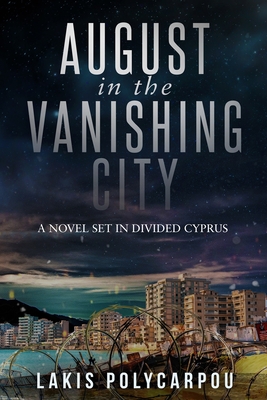

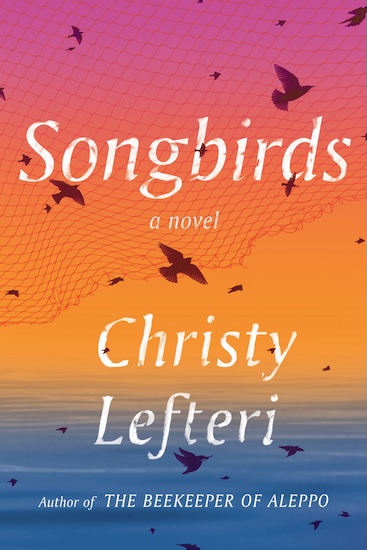
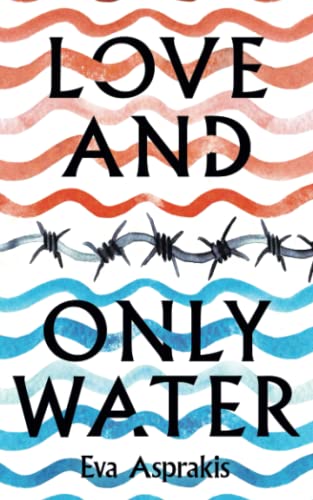
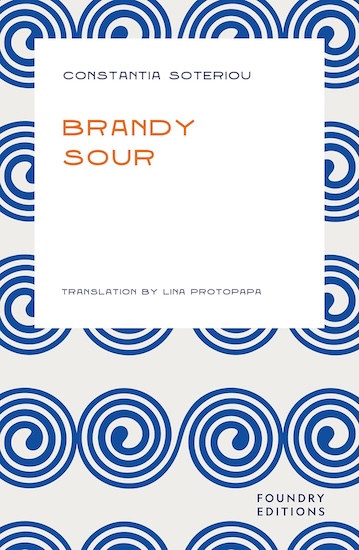
Cyprus is an island in the eastern Mediterranean shaped by Greek, Byzantine, Ottoman, and Middle Eastern influences. Its landscape ranges from sandy beaches and coastal cities to the forested Troodos Mountains, while ancient ruins, medieval castles, monasteries, and historic ports reflect the island’s long and layered history.
Cypriot literature has developed at the intersection of Greek, Mediterranean, Middle Eastern, and European cultural traditions. Medieval and Byzantine texts, folk songs, legends, and oral traditions form an important part of the island’s literary heritage, while modern Cypriot writing emerged strongly through poetry and prose in the 19th and 20th centuries. Among the most important modern Greek-Cypriot writers is Vasilis Michaelides, whose poetry helped establish the Cypriot dialect as a powerful literary language. Costas Montis, one of Cyprus’s best-known poets, wrote extensively about memory, history, exile, and the island itself. Contemporary Cypriot literature often explores division, displacement, migration, cultural identity, memory, and the experience of living between different languages and communities. The island’s political and historical divisions have become an especially significant theme in modern writing.