Cabo Verde
Africa
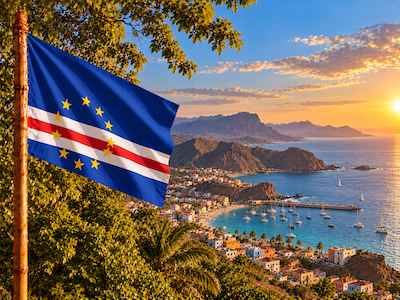
Cabo Verde is an island nation in the Atlantic Ocean off the coast of West Africa, made up of ten volcanic islands. Its landscapes range from rugged mountains and dry valleys to sandy beaches and dramatic coastal cliffs. Portuguese and African influences have shaped a distinctive culture expressed through music, dance, food, language, and maritime traditions.
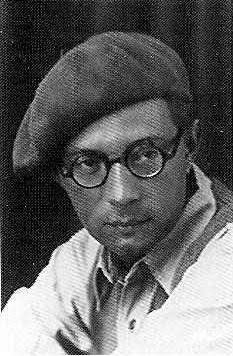
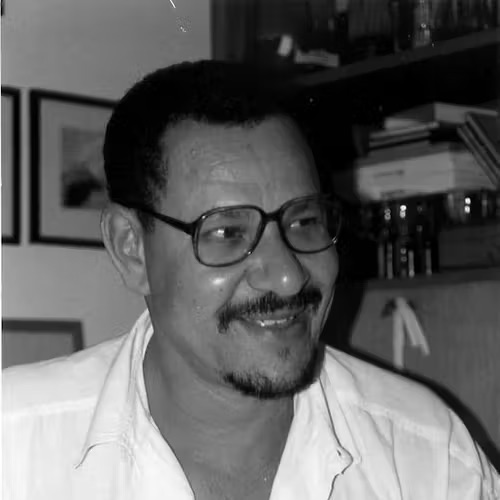
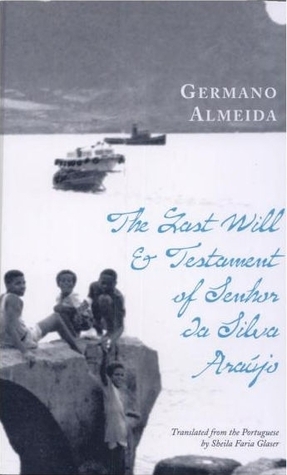
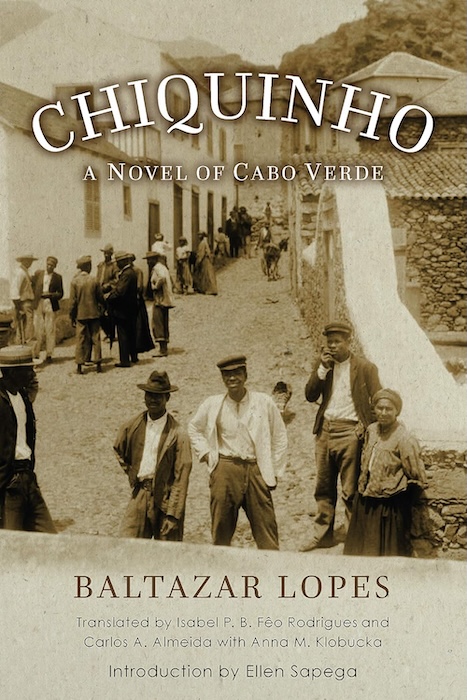
Cabo Verdean literature is closely connected to island identity, migration, drought, poverty, colonialism, and longing for home. Portuguese is the main literary language, while Kriolu plays an important role in everyday cultural expression and oral traditions. The country’s literature developed strongly during the 20th century, particularly through the influential literary journal Claridade, whose writers sought to create a distinctly Cape Verdean cultural identity. Important figures include Jorge Barbosa, Baltasar Lopes, and Manuel Lopes. A recurring theme is saudade—a deep sense of longing and separation—reflecting the historic movement of Cape Verdeans across the world. Contemporary writing continues to explore diaspora, memory, belonging, and the complex relationship between the islands and the wider world.