Cuba
North America
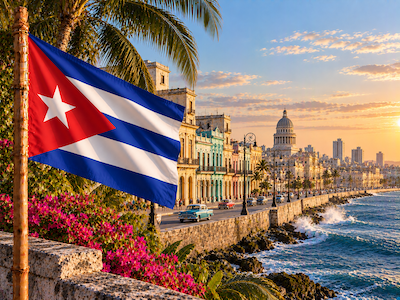
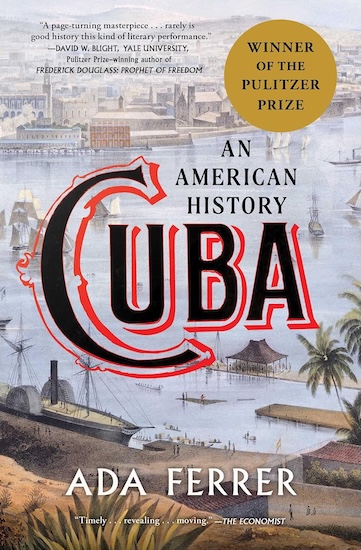
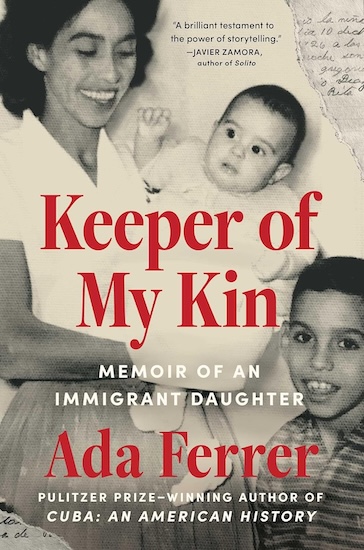
Cuba is the largest island in the Caribbean, known for its tropical landscapes, long coastline, colonial cities, and distinctive cultural traditions. Havana’s colorful architecture, music, dance, and public life have become particularly recognizable, while the country’s cultural identity reflects a rich combination of Spanish, African, Indigenous, and Caribbean influences.
Cuban literature has a long tradition of exploring identity, independence, social inequality, exile, revolution, and the relationship between individual freedom and political power. One of its foundational figures is José Martí, whose poetry, essays, journalism, and political writing became central to Cuban intellectual and national culture. His poetry collection Versos Sencillos remains particularly influential. The 20th century brought major voices such as Alejo Carpentier, whose novels—including The Kingdom of This World—helped develop the concept of “the marvelous real”, connecting Caribbean history with myth and the extraordinary. José Lezama Lima created the dense, poetic world of Paradiso, while Guillermo Cabrera Infante explored Havana, language, memory, and exile in works such as Three Trapped Tigers. Contemporary Cuban writing, both on the island and in the diaspora, continues to examine migration, displacement, memory, censorship, belonging, and the changing meaning of Cuba.