Switzerland
Europe
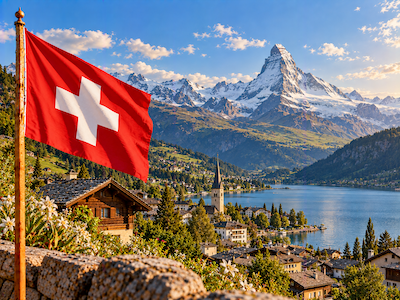

Switzerland is a landlocked country in Central Europe, renowned for its snow-capped Alps, turquoise lakes, green valleys, and picturesque mountain villages. Its cities combine historic architecture with modern design, while its landscapes have inspired travelers, artists, and writers for centuries. Switzerland has a distinctive multilingual identity, with four national languages: German, French, Italian, and Romansh. Its cultural traditions reflect influences from neighboring countries, alongside strong regional identities and a long history of political independence. Beyond its natural beauty, Switzerland is known for its international institutions, watchmaking, and contributions to science, philosophy, and the arts.
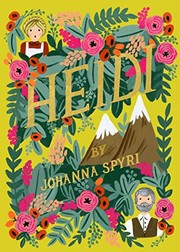
Swiss literature reflects the country’s linguistic diversity, with distinct literary traditions in German, French, Italian, and Romansh. Writers have explored themes of identity, social conformity, political responsibility, isolation, and the relationship between individuals and society. Switzerland’s position at the crossroads of European cultures has also made it a setting for stories about displacement, intellectual freedom, and the complexities of modern life. Among Switzerland’s most influential writers is Johanna Spyri, best known for Heidi, a beloved children’s classic that helped shape international perceptions of Swiss Alpine life. Friedrich Dürrenmatt, a German-language playwright and novelist, examined justice, morality, and human fallibility in works such as The Visit and The Pledge. Max Frisch, author of I’m Not Stiller and Homo Faber, explored identity, self-deception, and the limits of rationality. In French-language literature, Charles Ferdinand Ramuz drew inspiration from rural communities and the landscapes of the Swiss Alps, while Blaise Cendrars, born in Switzerland, became an influential modernist poet and novelist. Together, these writers reveal a literary culture shaped by multilingualism, philosophical inquiry, and the tension between tradition and change.