Congo, Democratic Republic
Africa
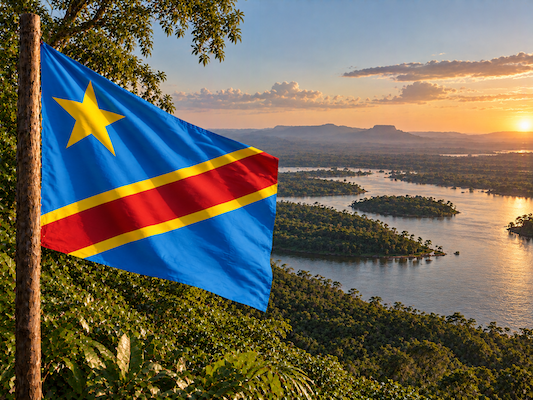
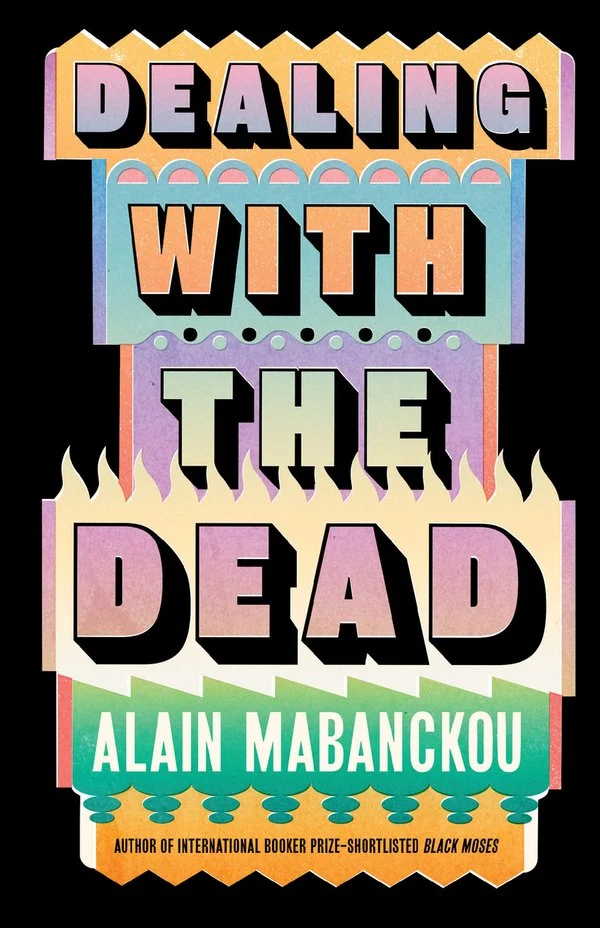
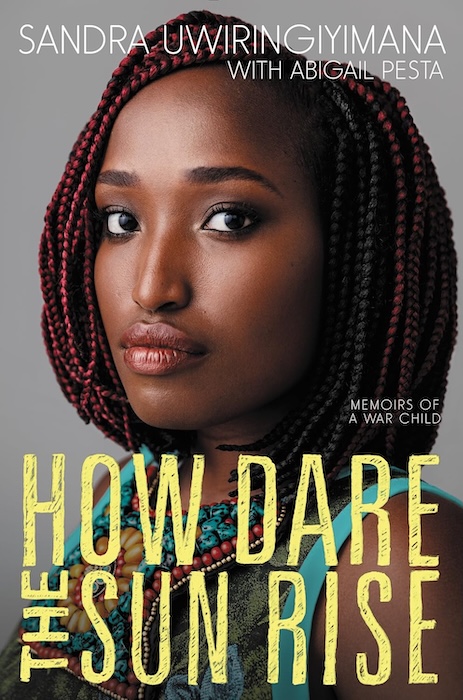
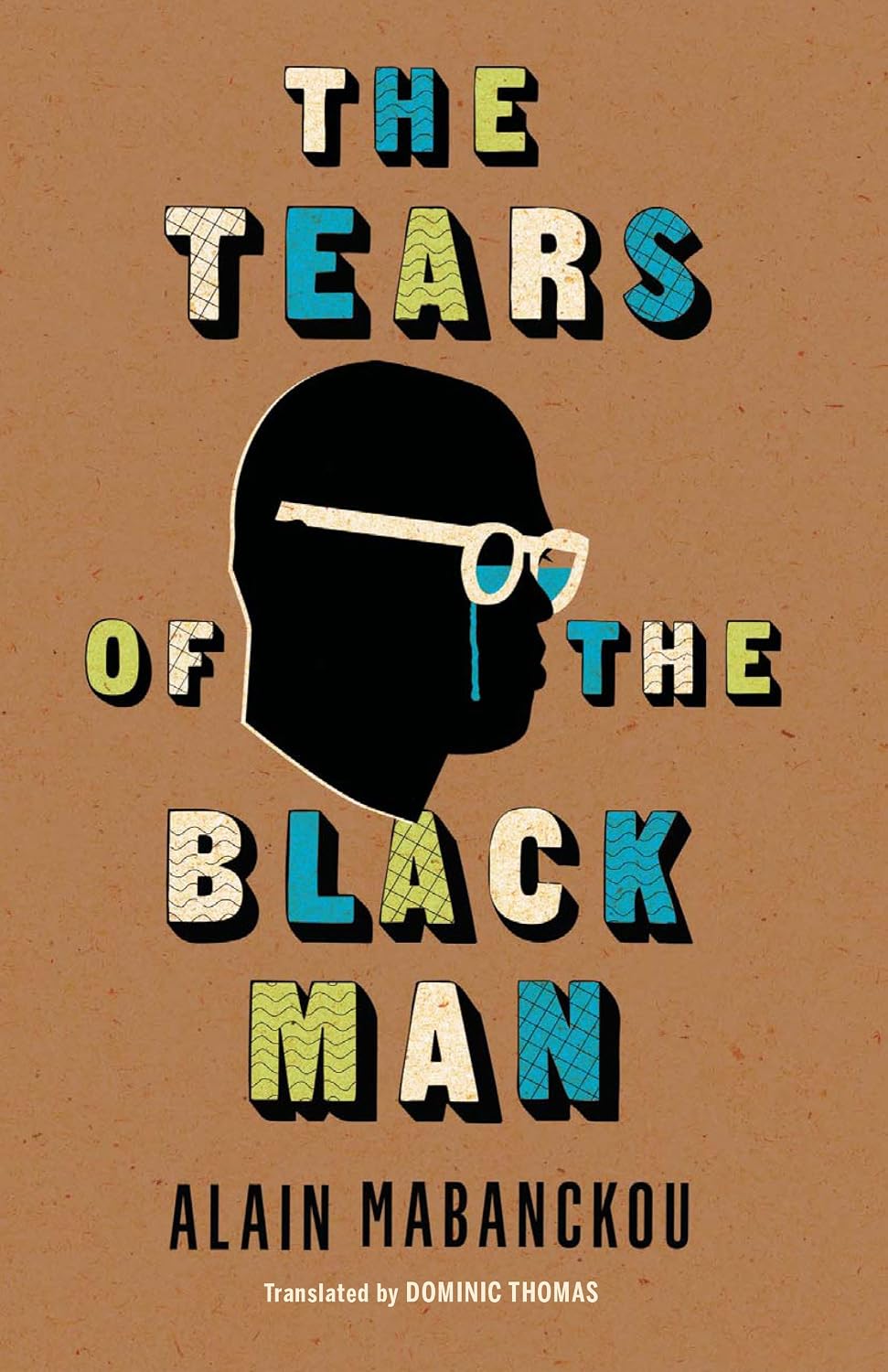
The Democratic Republic of the Congo (DRC) is a vast country in Central Africa, home to the Congo River, extensive tropical rainforests, dramatic mountains, and remarkable biodiversity. Its capital, Kinshasa, is a major cultural center known for its vibrant music scene and bustling urban life. The country’s cultural diversity is reflected in its many ethnic communities, languages, artistic traditions, and storytelling practices. French is the official language, while Lingala, Swahili, Kikongo, and Tshiluba are among the most widely spoken national languages. Despite its immense natural wealth, the DRC has experienced prolonged colonial exploitation, political instability, and armed conflicts that have profoundly shaped its modern history.
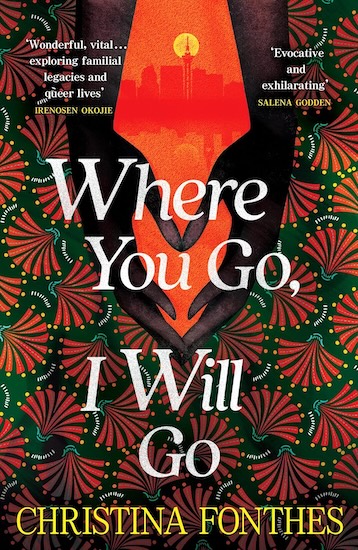
Congolese literature explores colonialism, independence, political power, social inequality, and the struggle to define national and personal identity. Oral traditions—including folktales, proverbs, praise poetry, and epic narratives—remain important sources of cultural memory and literary inspiration. Sony Lab’ou Tansi, one of the most influential Francophone African writers, used surrealism and political satire to examine authoritarianism and human suffering in novels such as Life and a Half. In Koli Jean Bofane, born in the DRC, explores globalization, corruption, and contemporary Congolese society in Congo Inc.: The Testament of Bismarck. Together, these writers offer distinctive perspectives on the country’s complex history and its place in modern African literature.