Canada
North America
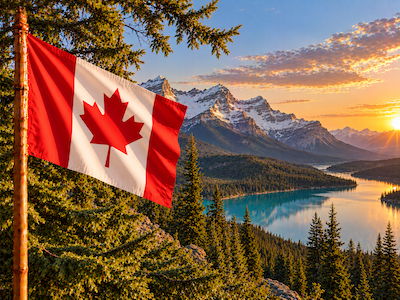


Canada is the second-largest country in the world, stretching from the Atlantic and Pacific coasts to the Arctic Ocean. Its landscapes include vast forests, prairie plains, Arctic tundra, rugged mountains, and thousands of lakes. Canadian identity is shaped by Indigenous cultures, French and British heritage, immigration, and extraordinary regional diversity.
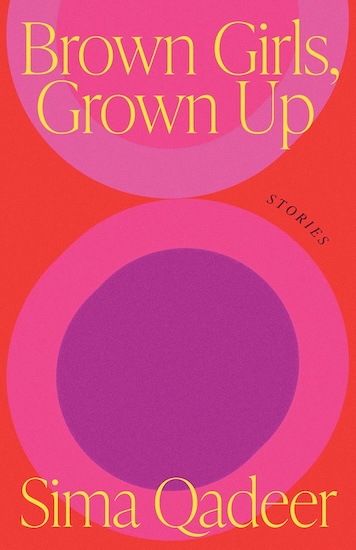
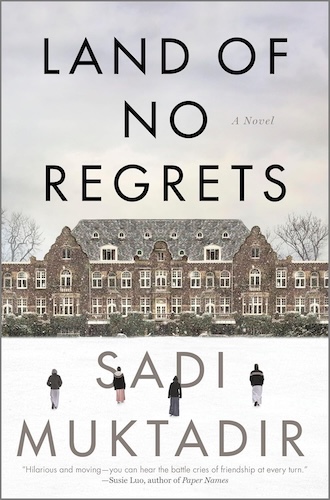
Canadian literature reflects the country’s multicultural identity, colonial history, Indigenous traditions, migration, and relationship with the natural environment. English- and French-language traditions developed alongside rich Indigenous oral literatures. Major writers include Margaret Atwood, whose fiction explores gender, power, environmental anxiety, and society, and Alice Munro, renowned for her psychologically detailed short stories about everyday life. Michael Ondaatje explores memory, migration, war, and fragmented identity, while Indigenous writers such as Thomas King and Richard Wagamese have brought Indigenous histories and perspectives to a wider readership. Contemporary Canadian literature continues to examine Indigenous reconciliation, immigration, multiculturalism, climate, identity, and the complex legacy of colonialism.