Bhutan
Asia
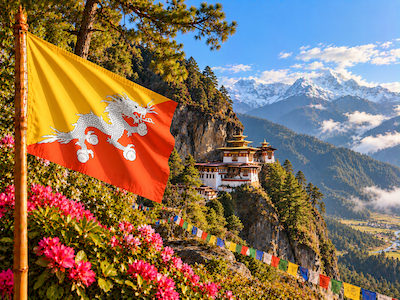
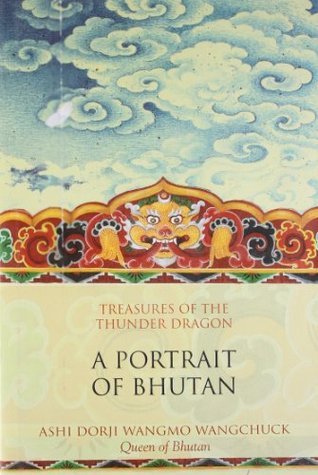
Bhutan is a small Himalayan kingdom between India and China, known for dramatic mountains, deep valleys, Buddhist monasteries, and richly decorated traditional architecture. Much of the country remains forested, and its culture is strongly influenced by Vajrayana Buddhism. Bhutan is also known for its distinctive approach to development, which emphasizes Gross National Happiness alongside economic growth.
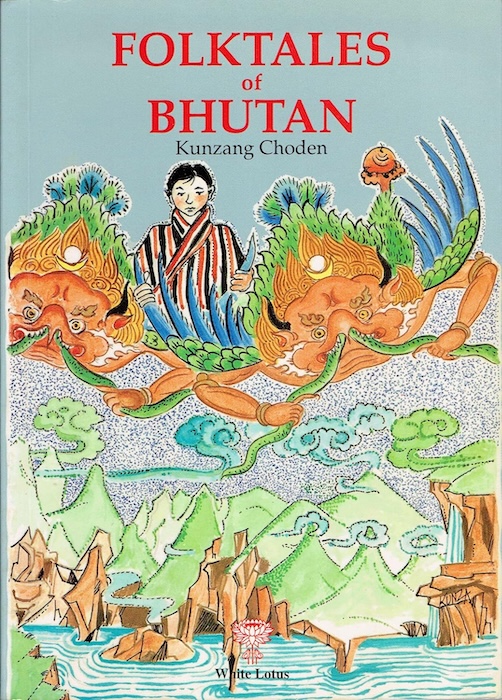
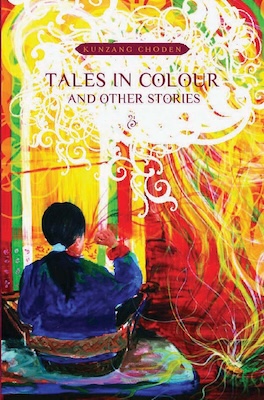
Bhutanese literature is closely connected to Buddhism, oral storytelling, folklore, spirituality, and the relationship between people and the natural world. For centuries, stories, legends, religious teachings, and historical traditions were primarily transmitted orally and through Buddhist institutions. Modern Bhutanese literature has developed alongside the country’s gradual modernization and growing use of Dzongkha and English. Writers increasingly explore cultural preservation, identity, tradition versus modernity, environmental change, and the experience of a rapidly changing society. Bhutan’s literary tradition is particularly interesting for its connection between storytelling, spirituality, landscape, and cultural continuity, offering a very different literary perspective from the larger South Asian traditions surrounding it.