Benin
Africa
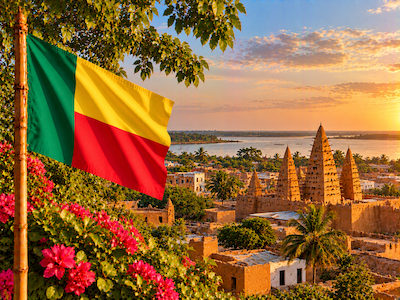
Benin is a West African country stretching from the Gulf of Guinea north toward the Sahel. Its landscape ranges from coastal lagoons and palm-lined beaches to savannas and northern forests. Benin has a rich cultural heritage shaped by Fon, Yoruba, Bariba, and many other communities, as well as centuries of trade and interaction with neighboring regions. The historic kingdom of Dahomey played an important role in the region, while Ouidah became a major center of the transatlantic slave trade. Today, Benin is particularly known for its vibrant arts, music, traditional crafts, and the continuing influence of Vodun (Voodoo) traditions.
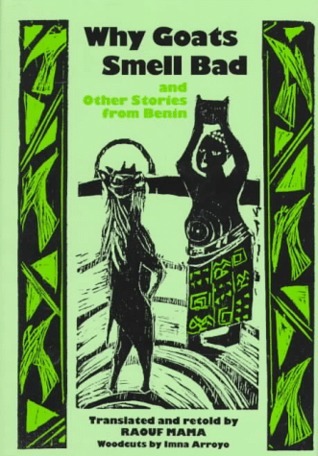
Beninese literature is closely connected to oral storytelling, history, colonialism, spirituality, and cultural identity. Traditional myths, legends, proverbs, and praise poetry remain important sources of literary expression. Modern writers have often explored the effects of French colonialism and the encounter between African traditions and European cultural systems. Paul Hazoumé, one of Benin’s most important early writers, drew heavily on Dahomean history and oral traditions. His novel Doguicimi reconstructs precolonial Dahomey through historical fiction. Contemporary Beninese literature continues to explore memory, identity, migration, political change, religion, and the legacy of slavery and colonialism, often bringing traditional storytelling techniques into modern literary forms.