Burundi
Africa
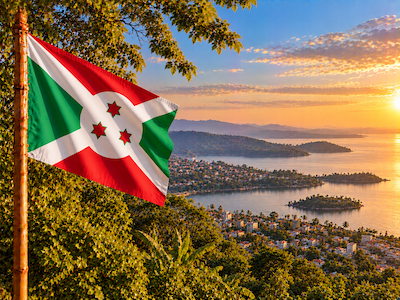
Burundi is a small landlocked country in the Great Lakes region of East Africa, known for its green hills, fertile valleys, and the northern shores of Lake Tanganyika. Its landscape and culture are closely connected to agriculture, with coffee, tea, bananas, and other crops playing an important role. Traditional drumming, dance, and storytelling are central to Burundian cultural heritage.
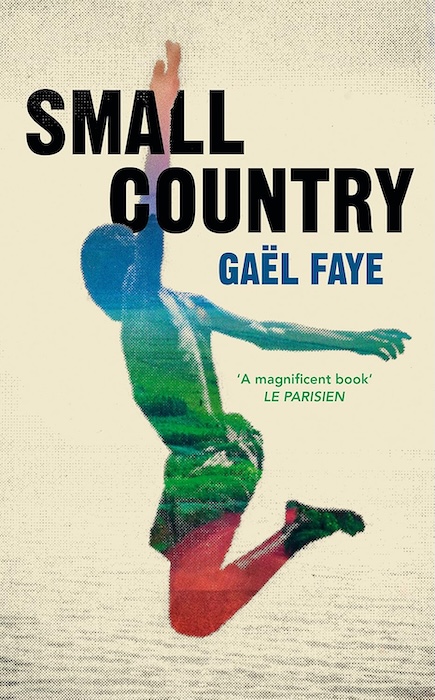
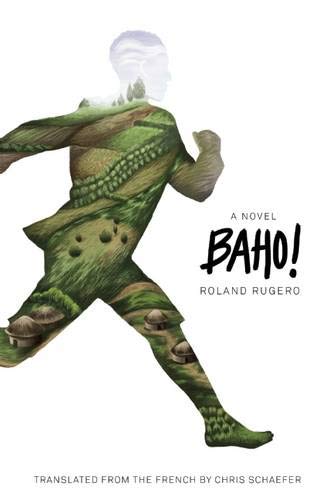
Burundian literature has strong roots in oral storytelling, poetry, legends, and historical traditions. Stories were traditionally passed between generations through performance, preserving cultural knowledge and community memory. Modern literature has often been shaped by colonialism, ethnic identity, political violence, displacement, and the search for peace. Writers have used poetry, novels, memoir, and oral forms to reflect on Burundi’s turbulent 20th-century history. Contemporary Burundian writing increasingly explores memory, exile, reconciliation, identity, and everyday life, offering personal perspectives on a country whose history has often been described through political conflict.