Bahrain
Asia
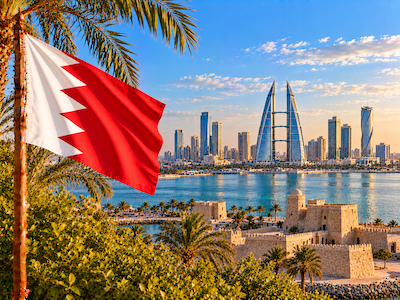
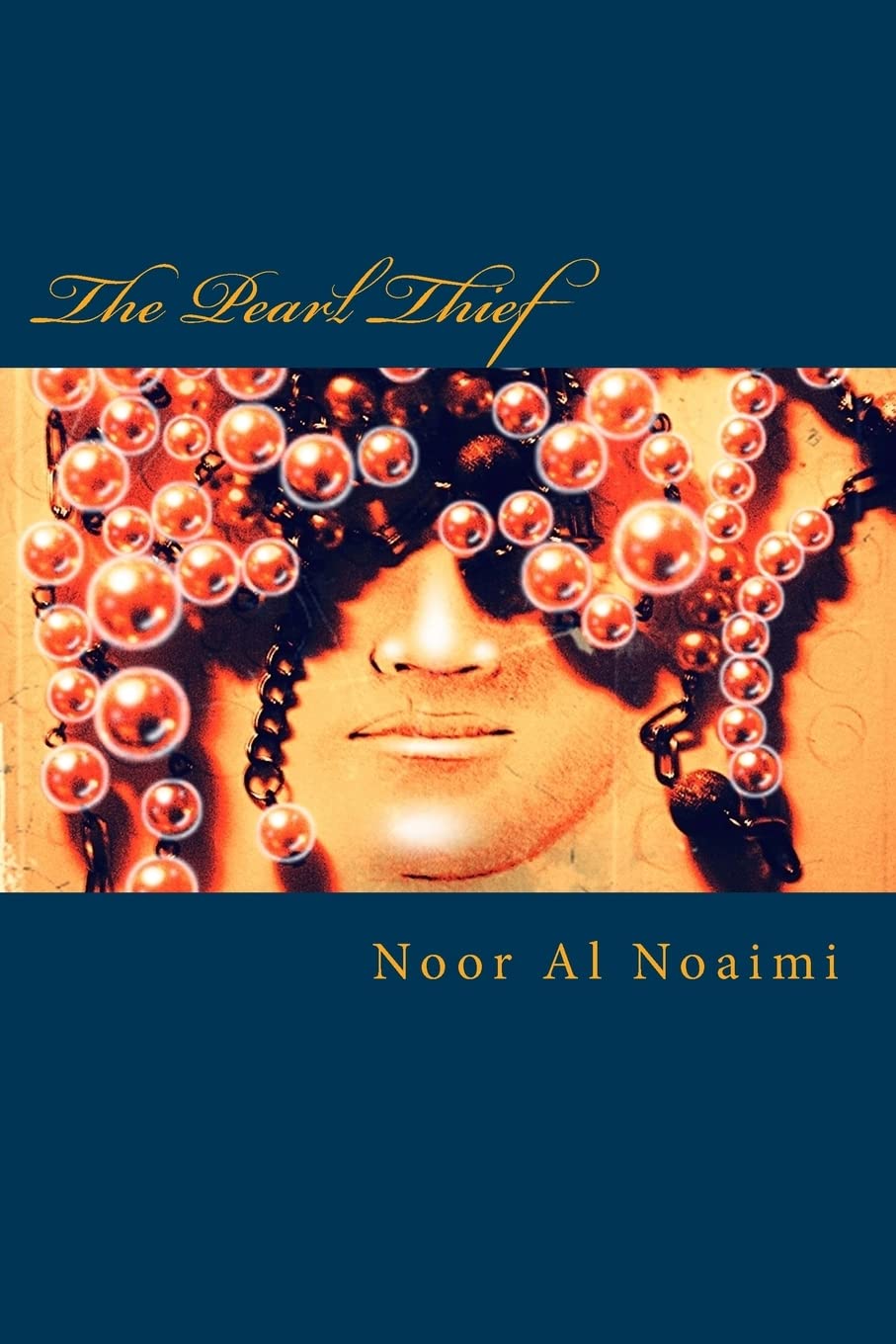
Bahrain is a small island nation in the Arabian Gulf, made up of a main island and numerous smaller islands and islets. Its strategic position between Arabia and the Gulf has made it a crossroads of trade and cultural exchange for thousands of years. The country combines ancient archaeological sites, traditional souqs, date palms, historic forts, and pearl-diving heritage with a highly modern skyline centered around Manama. Bahrain’s history reaches back to Dilmun, one of the ancient Gulf civilizations that flourished as a major trading center between Mesopotamia, Arabia, and the Indus Valley. Pearling later became central to the islands’ economy and culture, while the discovery of oil in the 20th century transformed Bahrain’s economy and society. Today, the country combines Gulf Arab traditions with a relatively cosmopolitan cultural environment.
Bahraini literature developed within the wider Arabic literary tradition, while also reflecting the country’s distinctive history as a maritime trading society. Poetry has traditionally held an especially important place in Bahraini culture, including both classical Arabic poetry and forms connected to local oral traditions, music, and the sea. Modern Bahraini literature began developing more strongly during the 20th century alongside education, newspapers, cultural associations, and political movements. Writers have explored identity, social change, modernisation, political life, memory, and the tension between tradition and contemporary Gulf society. Bahraini literature therefore offers a window into Gulf identity, maritime heritage, modernisation, memory, and the changing relationship between tradition and contemporary life.