Bulgaria
Europe
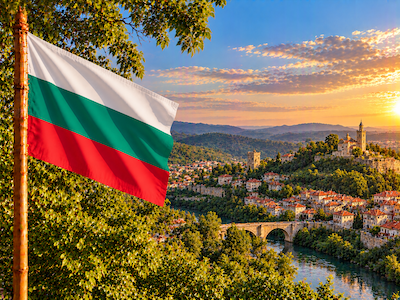

Bulgaria is a Balkan country stretching from the Danube River to the Black Sea, with mountains, forests, fertile plains, and historic towns. Its culture reflects Thracian, Greek, Roman, Slavic, Byzantine, and Ottoman influences, while Orthodox Christianity, folk music, dance, and traditional crafts remain important parts of its identity.
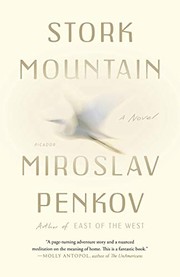
Bulgarian literature has deep roots in the Slavic literary tradition and the medieval cultural world of the First and Second Bulgarian Empires. The development of the Cyrillic alphabet and Old Church Slavonic literary culture is closely connected to medieval Bulgaria. Modern Bulgarian literature grew strongly during the 19th-century National Revival, when writers used literature to explore language, national identity, independence, and cultural preservation. Important figures include Ivan Vazov, often considered the patriarch of Bulgarian literature, and Hristo Botev, whose poetry combines nationalism, revolution, and personal freedom. Contemporary Bulgarian literature continues to explore communism, memory, migration, identity, and social change, connecting the country’s historical experience with modern European life.