
Azerbaijan

Asia
Azerbaijan
4
books
5
authors

Books from Azerbaijan

1
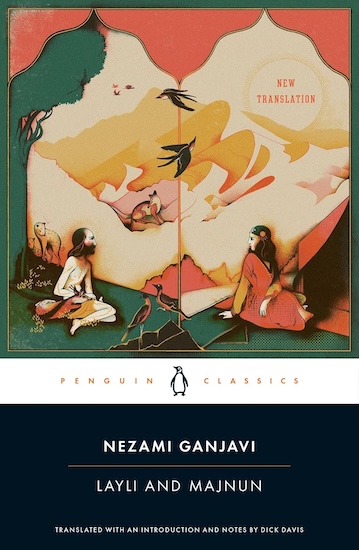
Layli and Majnun
Layli and Majnun
Qays falls passionately in love with Layli, but when their families forbid their union, his devotion drives him beyond the boundaries of reason. Known as Majnun, or “the madman,” he wanders the wilderness, pouring his longing into poetry while Layli is forced into a marriage with another man. Though separated by society, tradition, and circumstance, their love becomes an all-consuming force that transcends earthly possession. Written in the twelfth century, this celebrated Persian romance transforms a tragic love story into a meditation on desire, spiritual devotion, and the painful distance between the heart and the world that seeks to control it.
1188
2
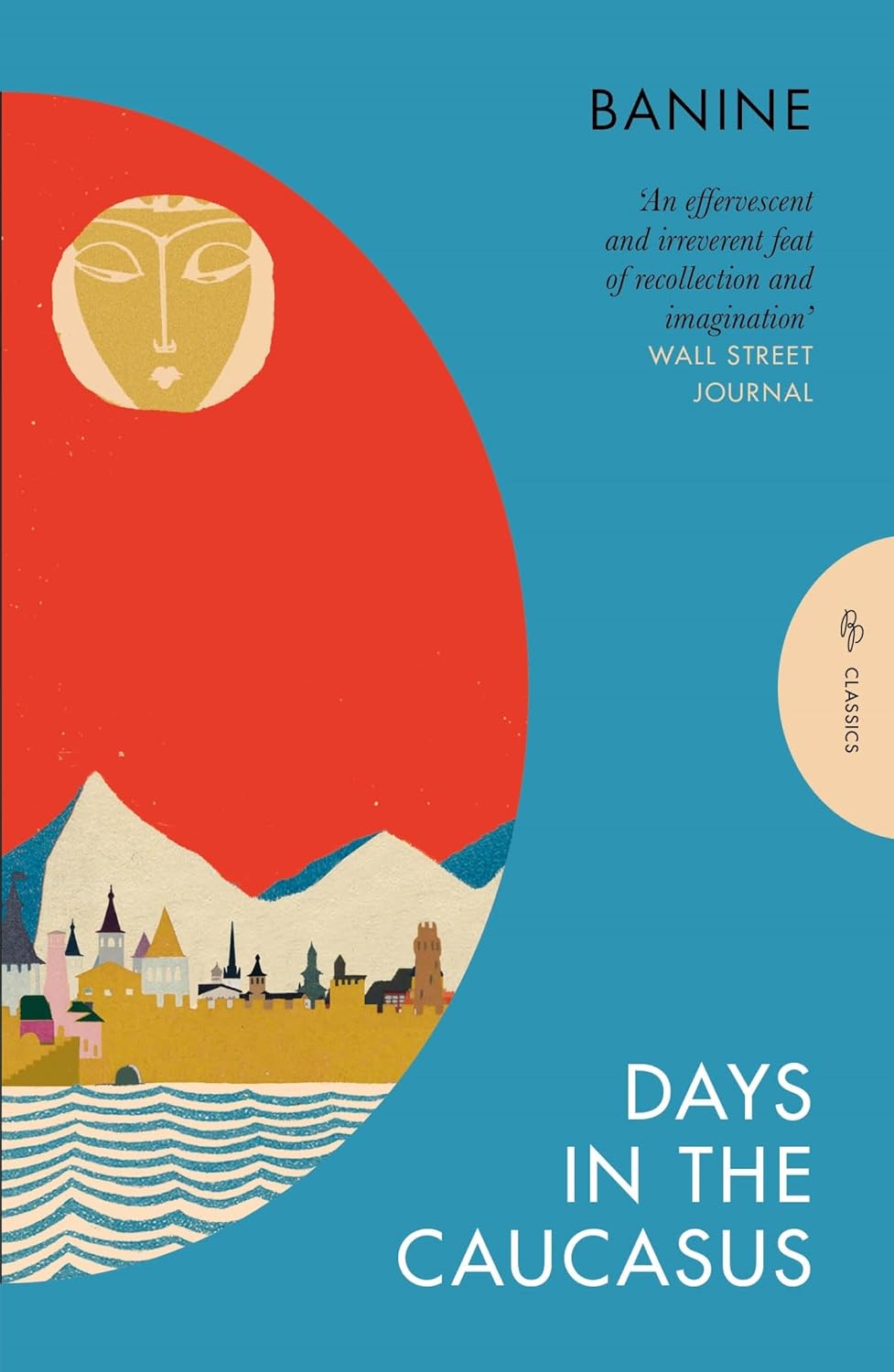
Days in the Caucasus
Days in the Caucasus is Banine’s memoir of growing up in a wealthy Azerbaijani family in Baku during the turbulent early twentieth century. Born into a family whose fortune came from the oil industry, she experiences a childhood shaped by material privilege, complicated relatives, and contrasting cultural influences. Her German governess introduces her to one world, while her strict Muslim grandmother represents another, creating a household where tradition and modernity coexist uneasily. The Russian Revolution and the collapse of the Azerbaijan Democratic Republic eventually transform her family’s circumstances, forcing Banine to confront loss, uncertainty, and the limitations imposed on women. Recalling her first love and an unwanted marriage, she recounts her eventual escape from her homeland. The memoir combines wit and personal reflection with a portrait of a vanished society, exploring independence, cultural identity, and the experience of exile.
2025
3
The Orphan Sky
The Orphan Sky
The Orphan Sky follows Leila, a young Azerbaijani woman whose life is shaped by the tensions between personal ambition, family expectations, and the political realities of her country. Growing up in a society where tradition and modernity frequently collide, Leila dreams of a future that allows her to make her own choices. Her experiences reveal the pressures faced by women navigating restrictive social expectations while trying to establish an independent identity. As she confronts difficult relationships and the consequences of decisions made by those around her, Leila must reconsider what freedom and belonging mean to her. Through an intimate portrait of contemporary Azerbaijani life, Leya explores the complexities of cultural identity, the influence of family history, and the struggle to determine one’s own future in a society undergoing profound change.
2015
4
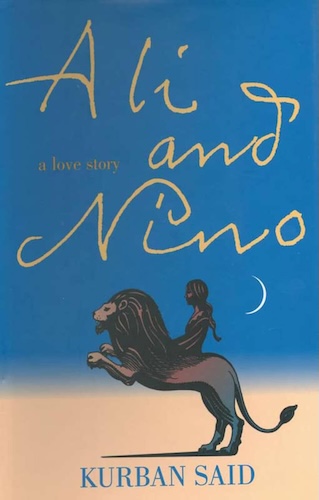
Ali and Nino
Ali and Nino
Set in Baku during the early twentieth century, Ali and Nino tells the story of Ali Khan Shirvanshir, a Muslim Azerbaijani aristocrat, and Nino Kipiani, a Christian Georgian woman. Despite their different cultural and religious backgrounds, the two fall deeply in love and imagine a future together. Their relationship unfolds against the backdrop of the First World War, the Russian Revolution, and the brief independence of Azerbaijan. As political conflict transforms the Caucasus, Ali and Nino must navigate competing expectations about marriage, tradition, religion, and personal freedom. Their romance becomes a reflection of the wider tensions between Eastern and Western influences in the region. Through their relationship, the novel explores cultural identity, loyalty, and the difficulty of preserving private happiness when history threatens to reshape an entire society.
1937

Famous authors from Azerbaijan

About Azerbaijan

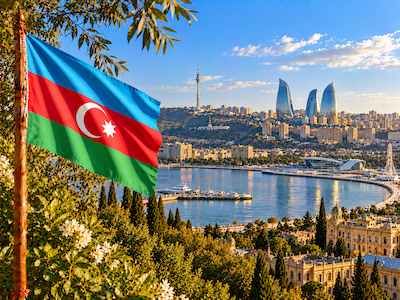
Azerbaijan lies at the crossroads of Eastern Europe, the Caucasus, and Central Asia, bordered by the Caspian Sea and surrounded by a landscape that ranges from semi-desert plains to forested mountains and alpine valleys. Its capital, Baku, combines the medieval stone architecture of the Old City with grand 19th-century buildings and striking contemporary architecture, reflecting the country’s long history as well as its transformation through the oil industry. Azerbaijani culture has been shaped by Persian, Turkic, Caucasian, Russian, and Islamic influences. The country has a strong tradition of music, poetry, carpet-making, storytelling, and oral culture, while the Caspian Sea and the ancient Silk Road have connected the region to a much wider world for centuries.

Region
Asia
Literary Context

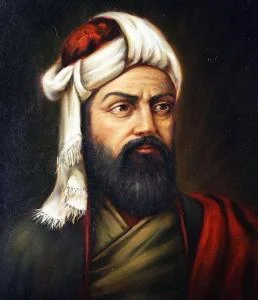
Azerbaijani literature has deep roots in Persian and Turkic literary traditions, developing particularly strongly through classical poetry. One of its greatest figures is Nizami Ganjavi, the 12th-century poet from Ganja, whose celebrated Khamsa brought together romantic, philosophical, and epic narratives and became influential throughout the Persianate literary world. Another major figure is Muhammad Fuzuli, a 16th-century poet who wrote primarily in Azerbaijani Turkic, Persian, and Arabic. His poetry explored love, spirituality, longing, and philosophical questions, helping establish Azerbaijani as an important literary language. Modern Azerbaijani literature was shaped by the encounter with Russian imperial rule, modernisation, nationalism, and Soviet ideology. Writers such as Mirza Fatali Akhundov introduced new literary forms and social criticism, while later authors navigated censorship and ideological restrictions during the Soviet period. Contemporary Azerbaijani literature often explores memory, war, displacement, identity, modernisation, and the tension between tradition and change. Writers such as Afaq Masud, Elchin Safarli, and Kamal Abdulla represent different strands of modern Azerbaijani writing, while the country’s literary culture remains connected to both its classical Persianate heritage and the wider Turkic world.
Asia