Angola
Africa
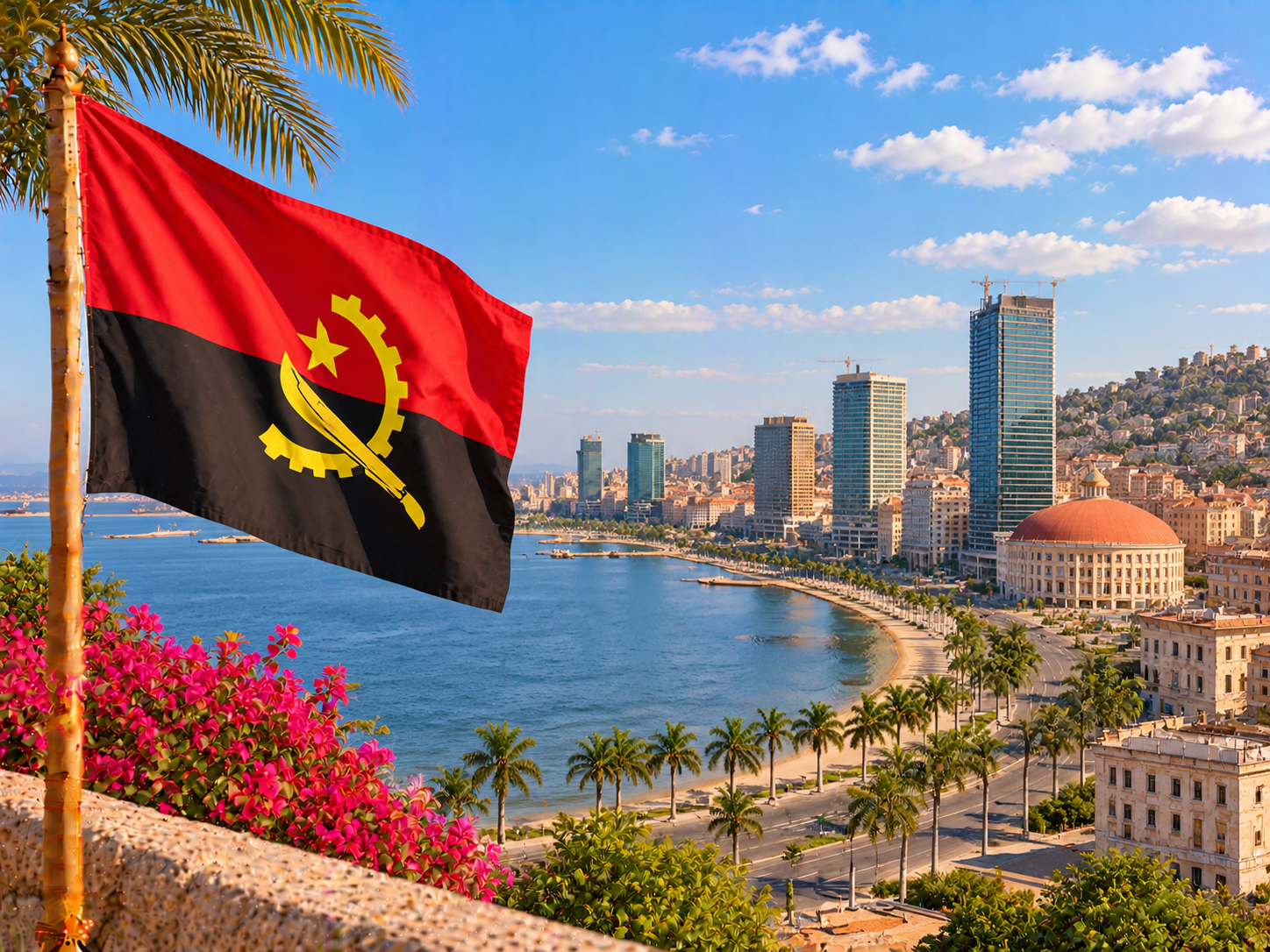
Angola is a vast country on the southwestern coast of Africa, stretching from the Atlantic Ocean across tropical forests, savannas, highlands, and the northern edge of the Namib Desert. Its culture has been shaped by diverse peoples and languages, including the Ovimbundu, Ambundu, Bakongo, and many other communities, alongside centuries of Portuguese influence. Luanda, the capital, reflects this layered history, combining Portuguese colonial architecture with a rapidly developing modern cityscape. Angola’s modern history has been marked by Portuguese colonialism, the struggle for independence, and a devastating civil war that lasted from 1975 to 2002. These experiences have left a profound imprint on Angolan society and culture. Today, Angola is one of Africa’s major oil-producing countries, while also possessing rich agricultural traditions, extraordinary biodiversity, and a growing contemporary cultural scene.
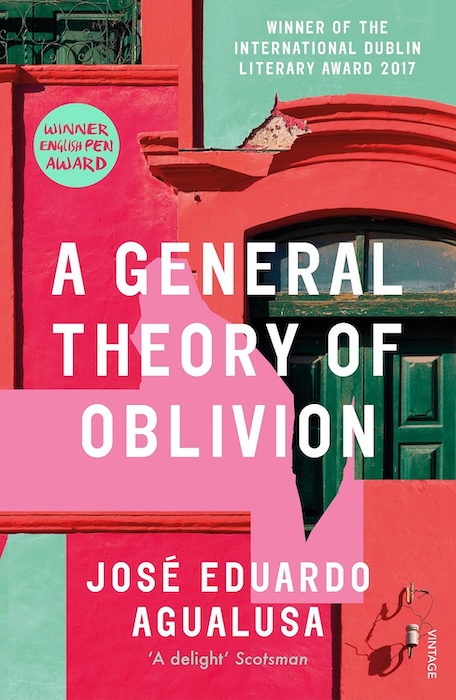
Angolan literature is deeply connected to colonialism, resistance, national identity, war, memory, and the search for belonging. During Portuguese colonial rule, literature became an important space for questioning colonial power and imagining an independent Angolan identity. Writers often drew on African oral traditions, local histories, and indigenous cultural perspectives while writing in Portuguese. One of Angola’s most important writers is Pepetela, whose novels examine the country’s colonial history, independence struggle, and post-independence society. His work often questions the ideals of the liberation movement and the realities that followed independence. Agostinho Neto, Angola’s first president and a major poet, also played an important role in the country’s literary and nationalist tradition. Another central figure is José Eduardo Agualusa, whose novels frequently move between Angola, Portugal, Brazil, and other parts of the Lusophone world. His writing explores memory, migration, identity, colonial legacies, and the blurred boundaries between history and fiction. Contemporary Angolan literature increasingly addresses civil war, displacement, urbanisation, family memory, inequality, and diaspora. Much of it is concerned with how personal lives intersect with enormous historical events, making Angolan literature an important way of understanding not only the country’s past but also the complexities of postcolonial Africa.