Albania
Europe
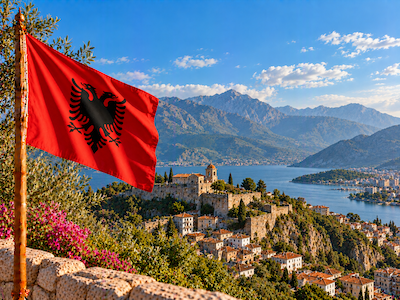
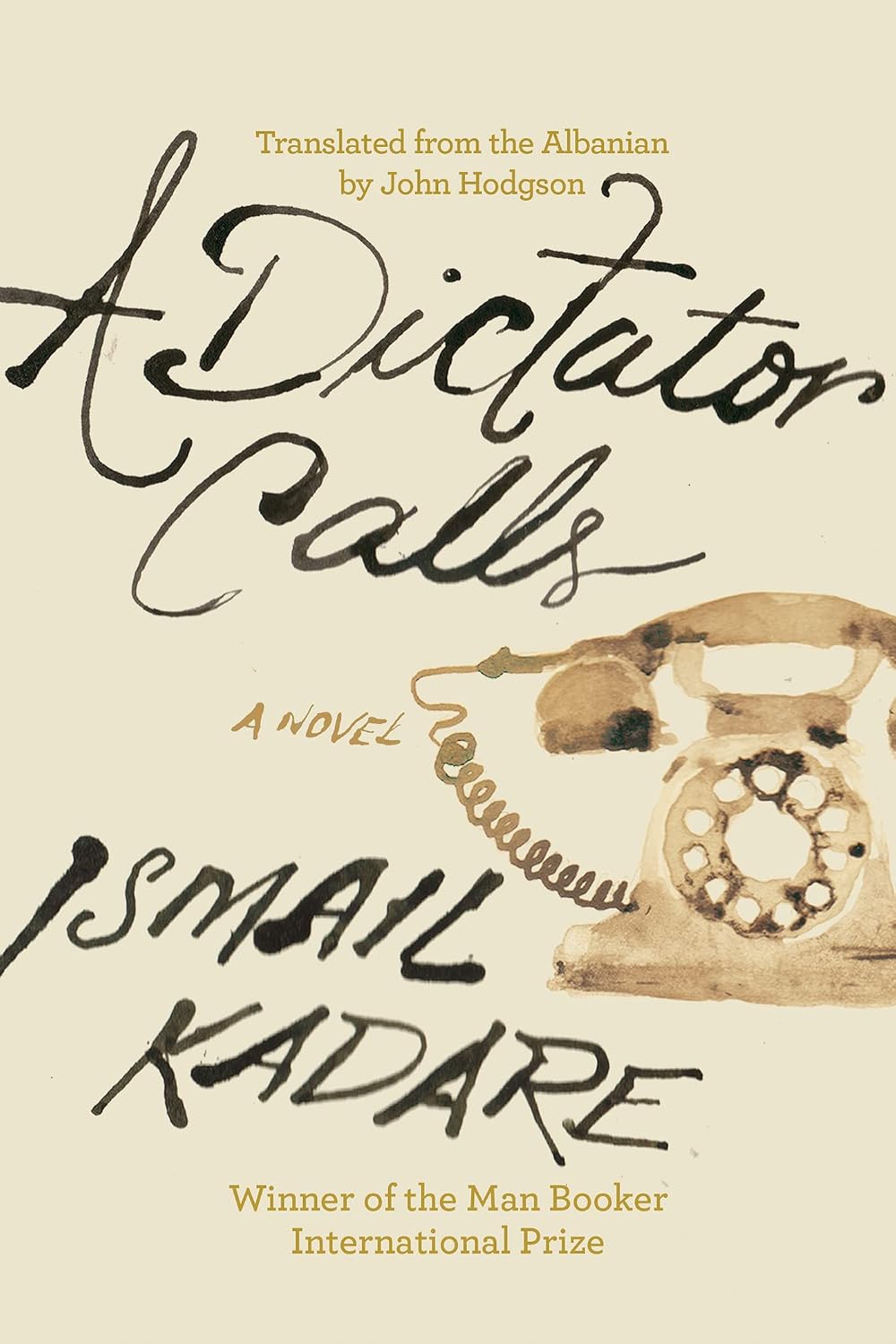

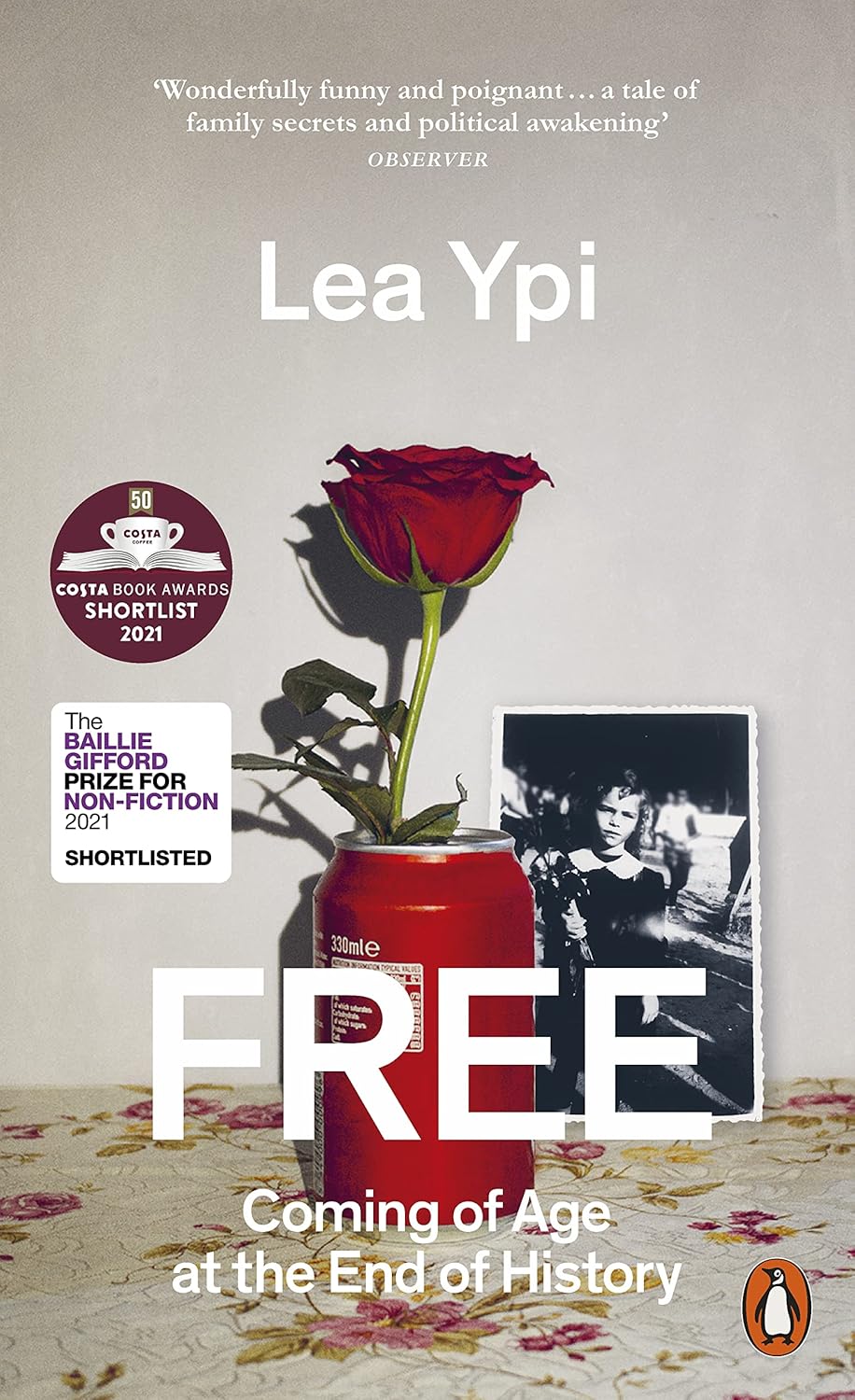
Albania is a small country at the crossroads of the Balkans and the Mediterranean, shaped by rugged mountains, ancient cities, and a long Adriatic and Ionian coastline. Its landscape ranges from the snow-covered Albanian Alps to Ottoman-era towns, archaeological sites, and lively coastal cities. Albanian culture reflects layers of Illyrian, Roman, Byzantine, Ottoman, and modern European influence, while its language belongs to its own distinct branch of the Indo-European family. For much of the 20th century, Albania remained unusually isolated under Enver Hoxha’s communist regime. Since the fall of communism in the early 1990s, the country has undergone rapid social and cultural transformation, while questions of migration, memory, identity, and the relationship between tradition and modernity have remained central to Albanian life.
Albanian literature has developed around questions of language, national identity, memory, exile, and the tension between individual freedom and political power. Because Albanian national identity was closely tied to the preservation of the Albanian language, writing played an important role in the country’s cultural and national awakening during the 19th century. Contemporary Albanian writing has expanded these themes toward migration, diaspora, generational memory, gender, and post-communist identity. Writers from Albania and the wider Albanian-speaking world increasingly explore what it means to belong to a country while also living elsewhere. This makes Albanian literature particularly interesting as a literature of borders — between East and West, homeland and diaspora, past and present, isolation and openness.