19th Century Classics
The greatest novels of the 1800s that shaped modern literature and continue to captivate readers worldwide.
9 books
1

Crime and Punishment
Set in the impoverished streets of nineteenth-century St. Petersburg, Crime and Punishment follows Rodion Raskolnikov, a former student who develops a theory that extraordinary individuals may be entitled to transgress moral laws for a greater purpose. Driven by poverty, pride, and his desire to prove his own superiority, he commits a brutal double murder. However, rather than achieving the freedom he imagined, Raskolnikov becomes consumed by guilt, paranoia, and psychological torment. As he struggles to conceal his crime, he encounters people who challenge his worldview, particularly Sonya Marmeladova, a young woman whose faith and compassion offer him a possible path toward redemption. Through intense psychological exploration, Dostoevsky examines morality, free will, suffering, and the conflict between intellectual justification and human conscience. The novel asks whether anyone can rise above ordinary moral obligations and explores how confronting one’s own humanity may be the first step toward transformation.
1866
Russia
2

Les Misérables
Set in nineteenth-century France during a period of profound social inequality and political unrest, Les Misérables follows Jean Valjean, a former convict who struggles to rebuild his life after spending nineteen years in prison for stealing bread and attempting to escape. Despite his determination to become an honest man, he is relentlessly pursued by Inspector Javert, who believes that a criminal can never truly change. Valjean’s journey becomes intertwined with the lives of Fantine, a desperately poor woman; Cosette, her neglected daughter whom he raises as his own; and Marius, a young revolutionary caught up in the Paris uprising of 1832. Through their intersecting stories, Hugo explores poverty, injustice, sacrifice, love, and the possibility of redemption. Blending intimate human struggles with sweeping historical events, the novel offers a powerful critique of a society that punishes the vulnerable while questioning whether compassion and moral courage can overcome even the deepest forms of suffering.
1862
France
3

Madame Bovary
Madame Bovary follows Emma Bovary, a young woman who marries Charles, a provincial doctor, hoping for a life filled with romance, luxury, and excitement. Influenced by romantic novels and idealised visions of love, she soon becomes disappointed by the routine of married life and the limitations of her social environment. Seeking escape, Emma pursues passionate relationships and extravagant purchases, gradually accumulating debts that threaten to destroy her carefully constructed image of happiness. Her attempts to transform her life into something extraordinary instead lead her into increasingly desperate circumstances. Through Emma’s story, Flaubert critiques the social conventions and material ambitions of nineteenth-century provincial France. The novel explores desire, disillusionment, and the gap between fantasy and reality, portraying a woman whose longing for a more fulfilling existence collides with the restrictive expectations of her time.
1857
France
4

Anna Karenina
Anna Karenina explores love, marriage, family, and social expectations in nineteenth-century Russian society. Anna, an aristocratic woman trapped in an unhappy marriage, falls passionately in love with Count Vronsky, a military officer. Their relationship challenges the conventions of a society that grants men and women very different freedoms, exposing Anna to scandal and increasing isolation. Alongside her story, the novel follows Konstantin Levin, a landowner searching for meaning through work, family life, and spiritual reflection. As their lives unfold, Tolstoy examines the contradictions between personal happiness and social duty, revealing the consequences of hypocrisy and rigid moral standards. Through its complex characters and detailed portrayal of Russian life, the novel considers whether genuine fulfilment can be achieved within the expectations imposed by society.
1878
Russia
5
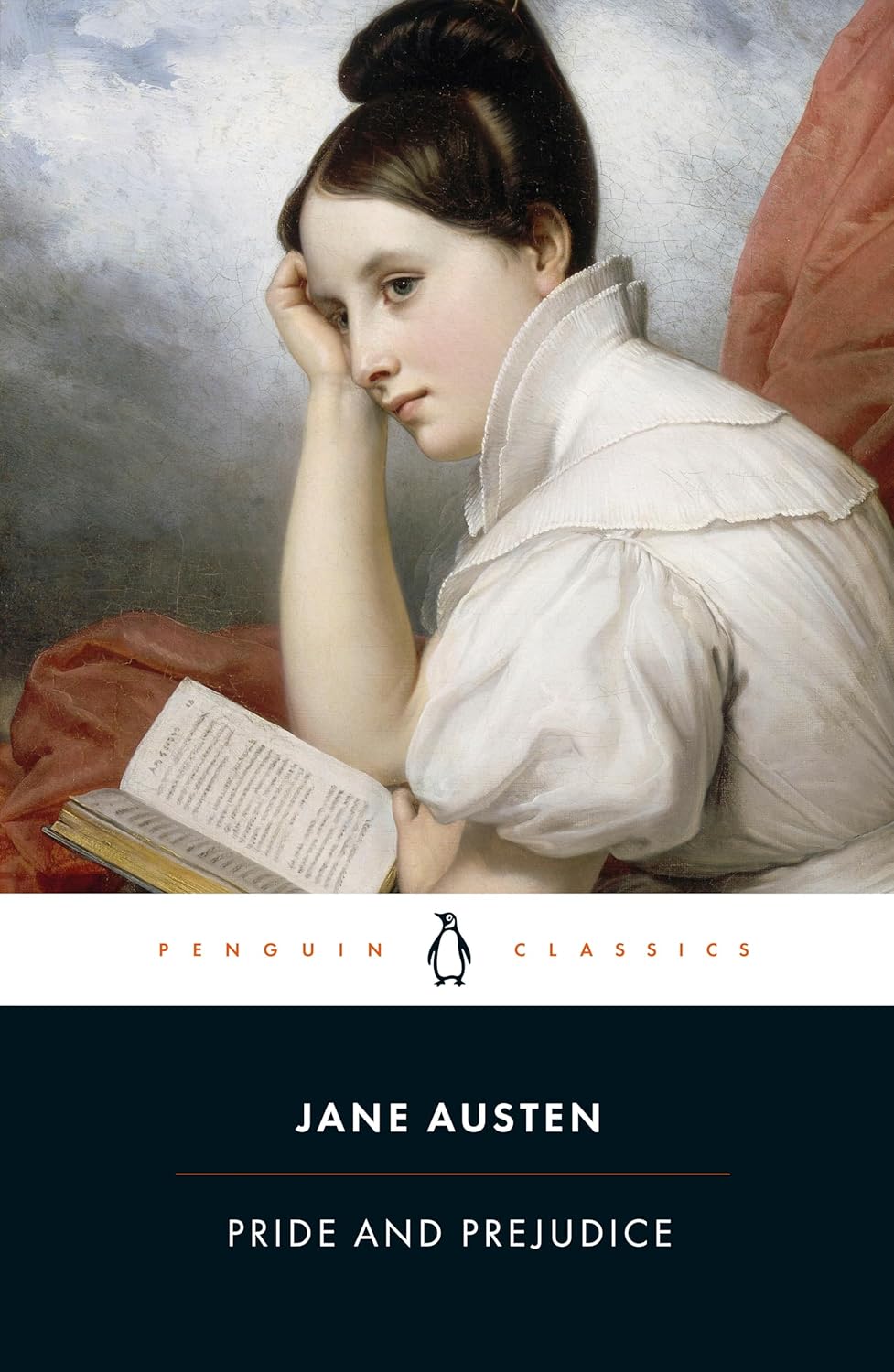
Pride and Prejudice
Pride and Prejudice follows Elizabeth Bennet, an intelligent and independent young woman navigating love and social expectations in Regency England. When the wealthy and reserved Mr Darcy enters her social circle, Elizabeth forms a negative impression of him, while Darcy initially struggles to look beyond her family’s lower social standing. Their relationship develops through misunderstandings, wounded pride, and gradual self-discovery. Meanwhile, Elizabeth’s sisters face the financial and social pressures associated with marriage in a society where women have limited opportunities for economic independence. Through wit and sharp observation, Austen critiques class prejudice, superficial judgments, and the belief that wealth guarantees moral worth. The novel explores the importance of self-awareness and mutual respect, suggesting that lasting relationships require people to question their assumptions and recognise their own shortcomings.
1813
United Kingdom
6
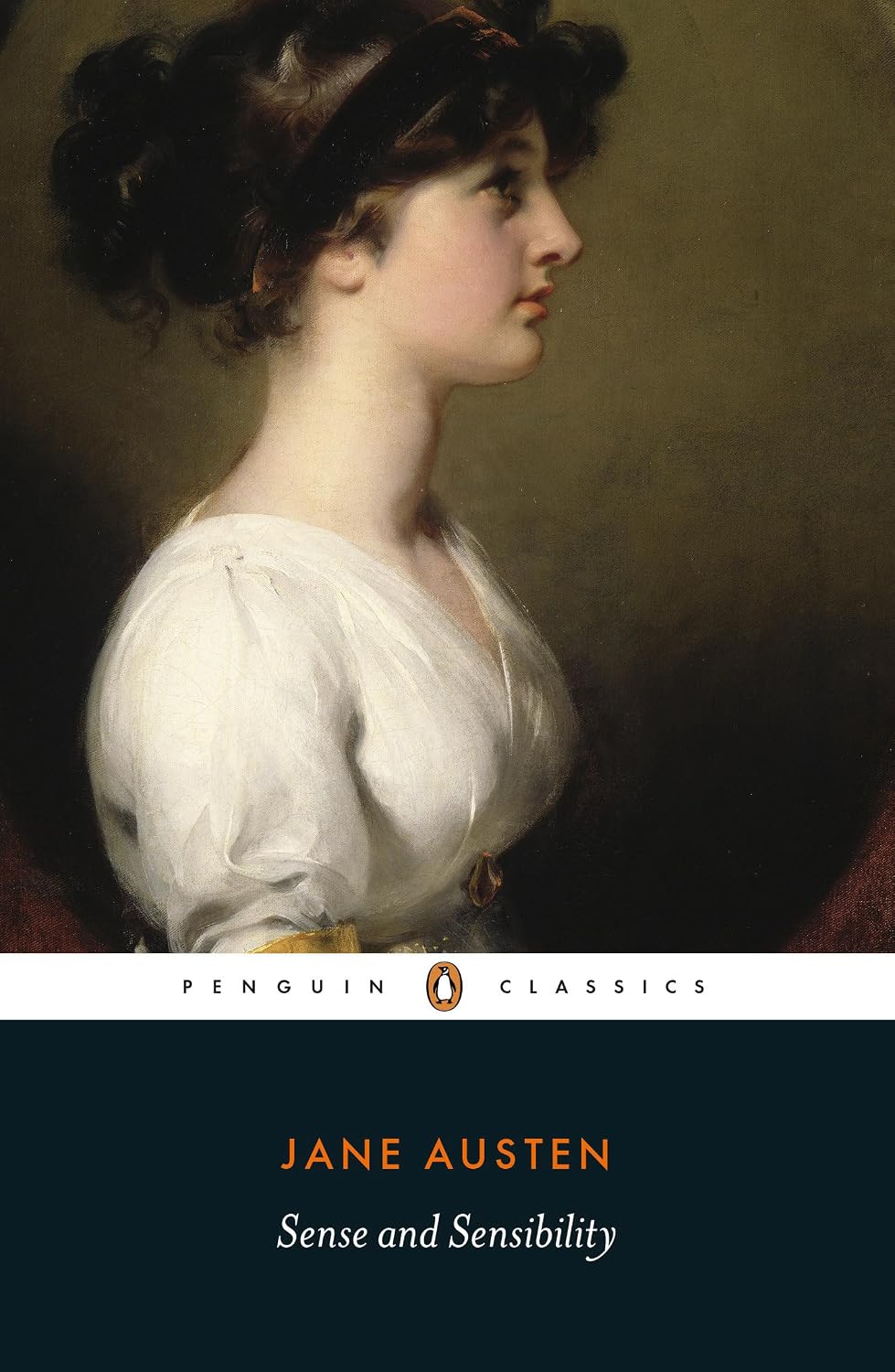
Sense and Sensibility
Sense and Sensibility follows sisters Elinor and Marianne Dashwood, whose lives change dramatically after their father’s death leaves them financially vulnerable. Forced to leave their family home, they must navigate a society in which women’s security often depends on advantageous marriages and the goodwill of relatives. Elinor approaches disappointment with restraint and practicality, while Marianne expresses her emotions openly and pursues romantic ideals with intensity. Their contrasting temperaments shape their experiences of love, heartbreak, and social obligation. As each sister confronts unexpected betrayals and difficult choices, they gradually learn from one another’s strengths. Austen explores the relationship between reason and emotion, revealing the dangers of excessive self-control as well as uncontrolled passion. The novel also critiques the economic pressures that limit women’s independence and influence their relationships.
1811
United Kingdom
7
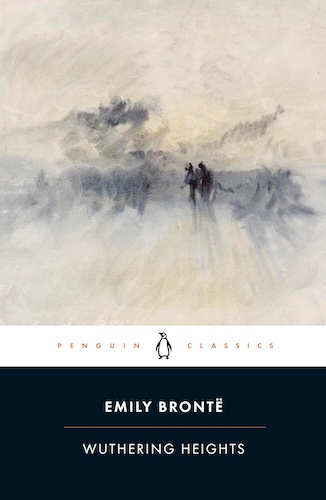
Wuthering Heights
Wuthering Heights tells the turbulent story of Catherine Earnshaw and Heathcliff, whose intense attachment becomes entangled with pride, social ambition, and revenge. Growing up together on the Yorkshire moors, they develop a bond that Catherine ultimately sacrifices by marrying Edgar Linton, a man of higher social standing. Heathcliff, devastated by her decision, returns years later wealthy and determined to punish those he believes have wronged him. His revenge extends beyond Catherine and Edgar, affecting their children and the next generation. Through its layered narration and haunting landscape, Brontë explores destructive passion, class divisions, and the lasting consequences of emotional cruelty. The novel challenges idealised notions of romantic love, portraying attachment as a force that can inspire profound devotion while also consuming lives and perpetuating suffering.
1847
United Kingdom
8
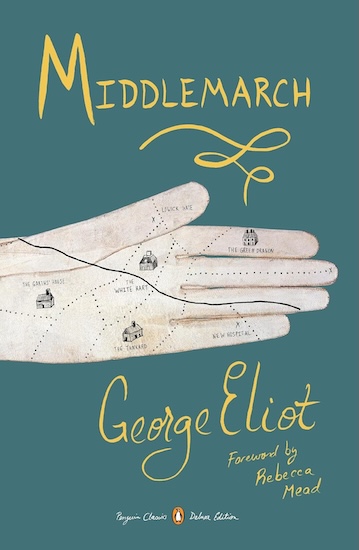
Middlemarch
Middlemarch portrays life in a provincial English town during the early nineteenth century, following a wide network of characters whose ambitions and relationships reveal the complexities of social change. Dorothea Brooke, an idealistic young woman, longs to lead a meaningful life but finds herself trapped in a disappointing marriage to the elderly scholar Edward Casaubon. Meanwhile, the ambitious doctor Tertius Lydgate hopes to reform medical practice but becomes increasingly constrained by financial pressures and social expectations. Their stories intersect with those of other residents whose decisions reflect the influence of class, money, reputation, and political change. Eliot examines the gap between personal aspirations and the realities of everyday life, showing how even well-intentioned individuals can cause harm through ignorance or pride. The novel explores marriage, moral responsibility, and the quiet ways people influence one another’s futures.
1871
United Kingdom
9
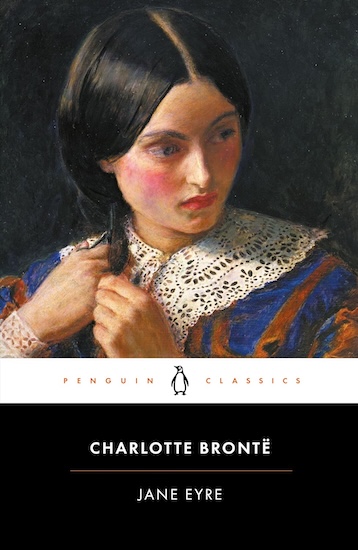
Jane Eyre
Jane Eyre follows an orphaned girl who grows up facing cruelty and neglect before becoming a governess at Thornfield Hall. Intelligent and determined, Jane values her independence and refuses to accept a life defined entirely by her social position or gender. At Thornfield, she falls in love with her employer, Edward Rochester, but discovers that his household conceals a disturbing secret that threatens their future together. When Jane is forced to choose between love and her moral principles, she leaves rather than compromise her dignity. Her journey eventually brings her new opportunities, unexpected family connections, and a chance to reconsider her relationship with Rochester. Brontë explores female autonomy, class inequality, religious morality, and the search for emotional belonging. The novel celebrates a woman’s right to pursue love without surrendering her conscience or independence.
1847
United Kingdom
About this collection
- Books
- 9
- Countries
- Russia, France, United Kingdom